
Last updated November 2, 2026
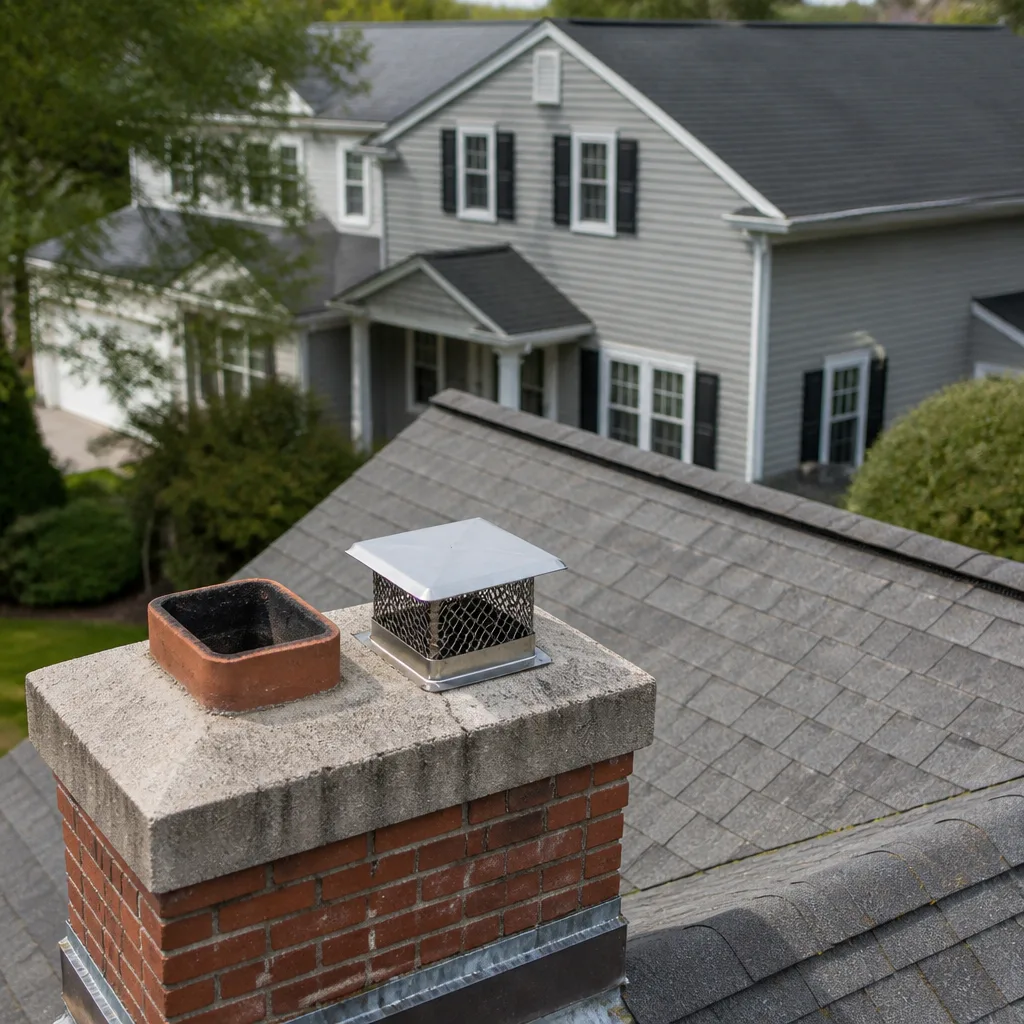 Sweep & inspection
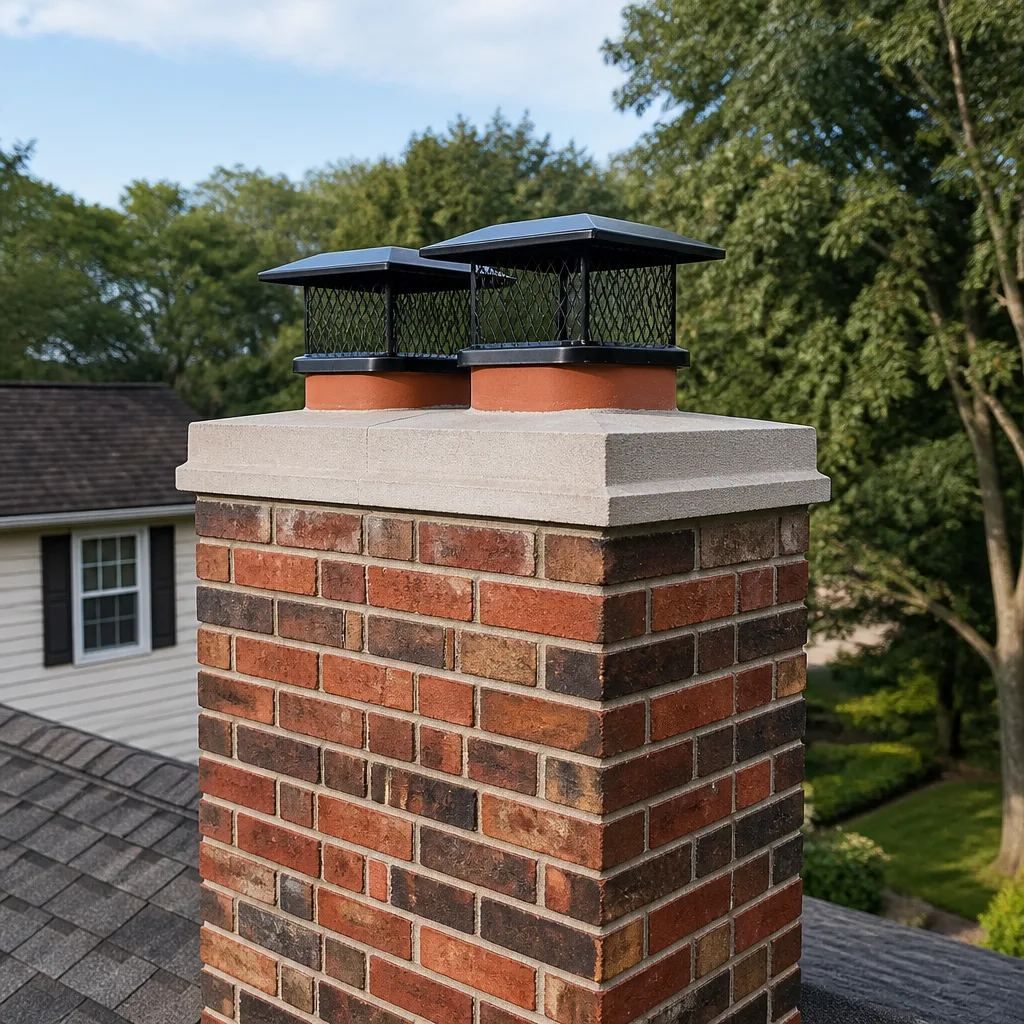 Caps & crowns
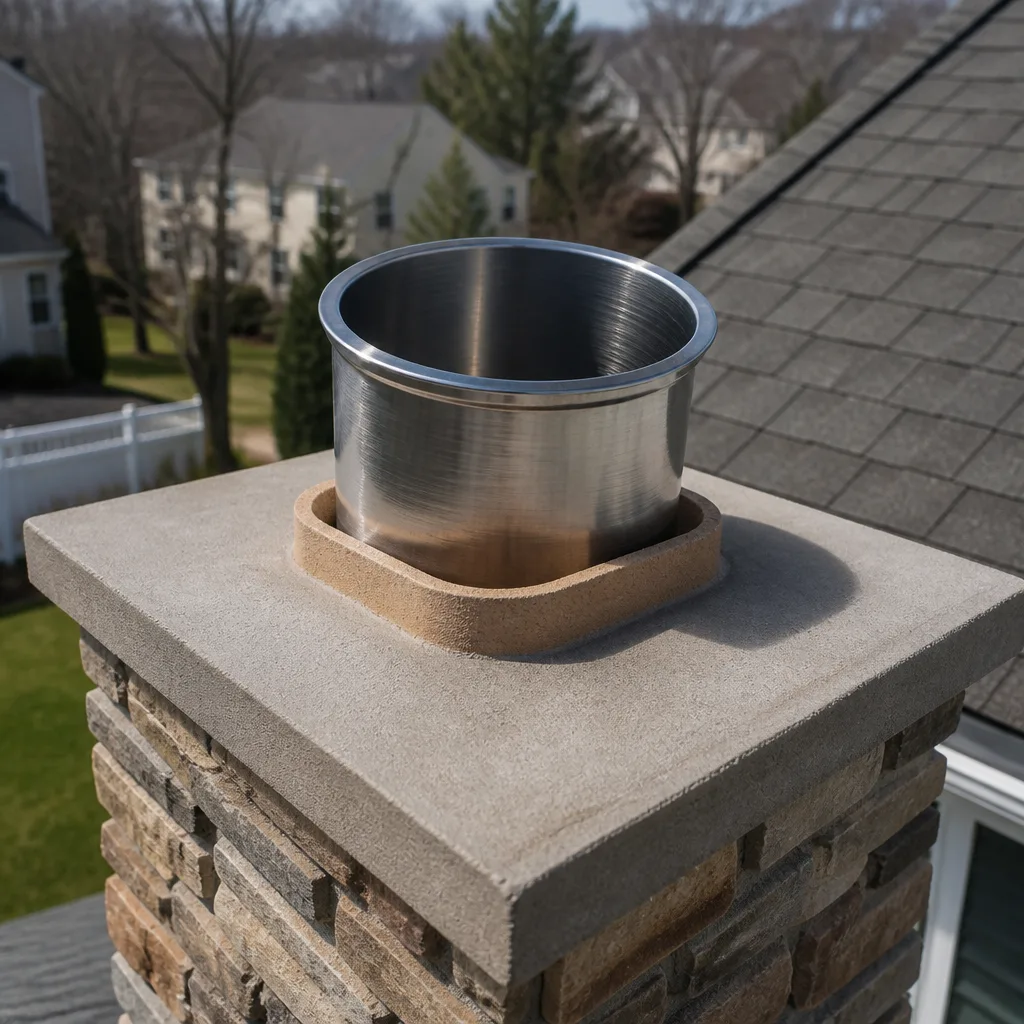 Flue relining
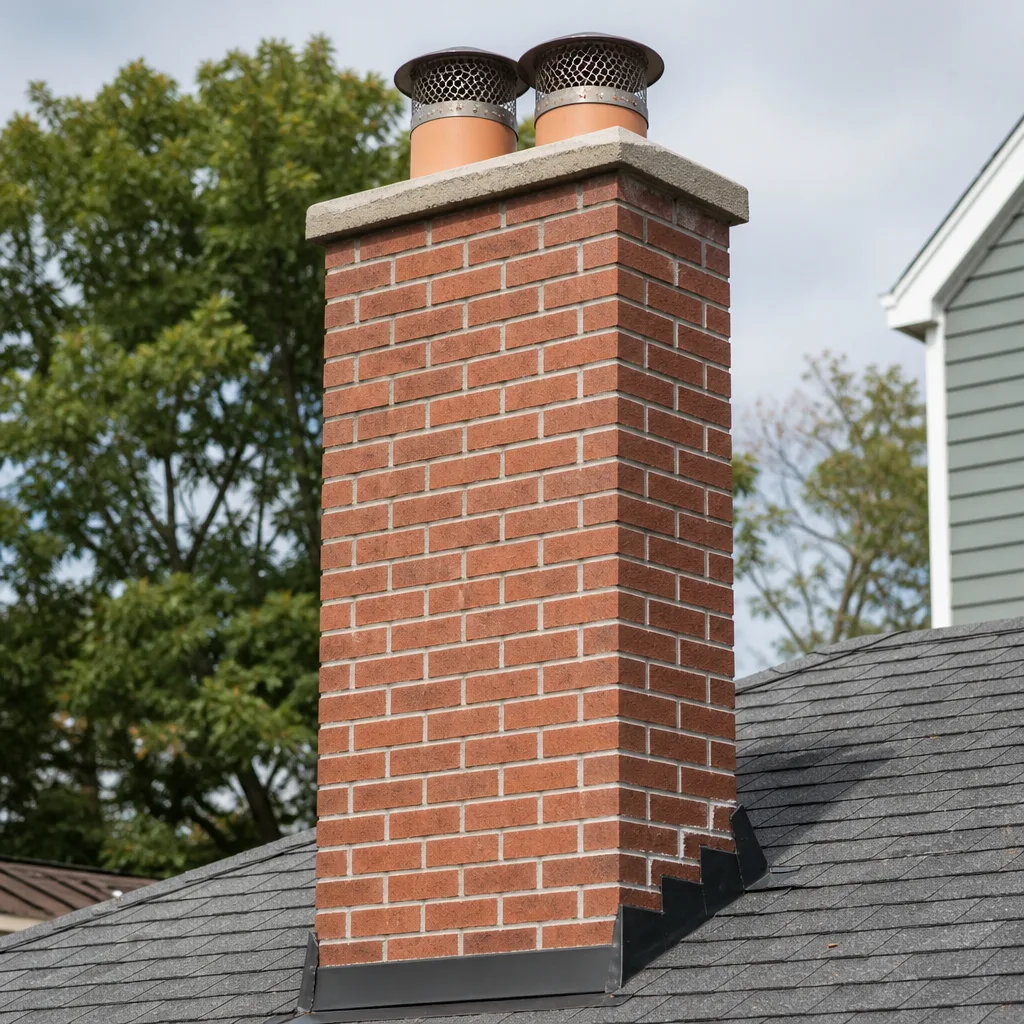 Masonry repair
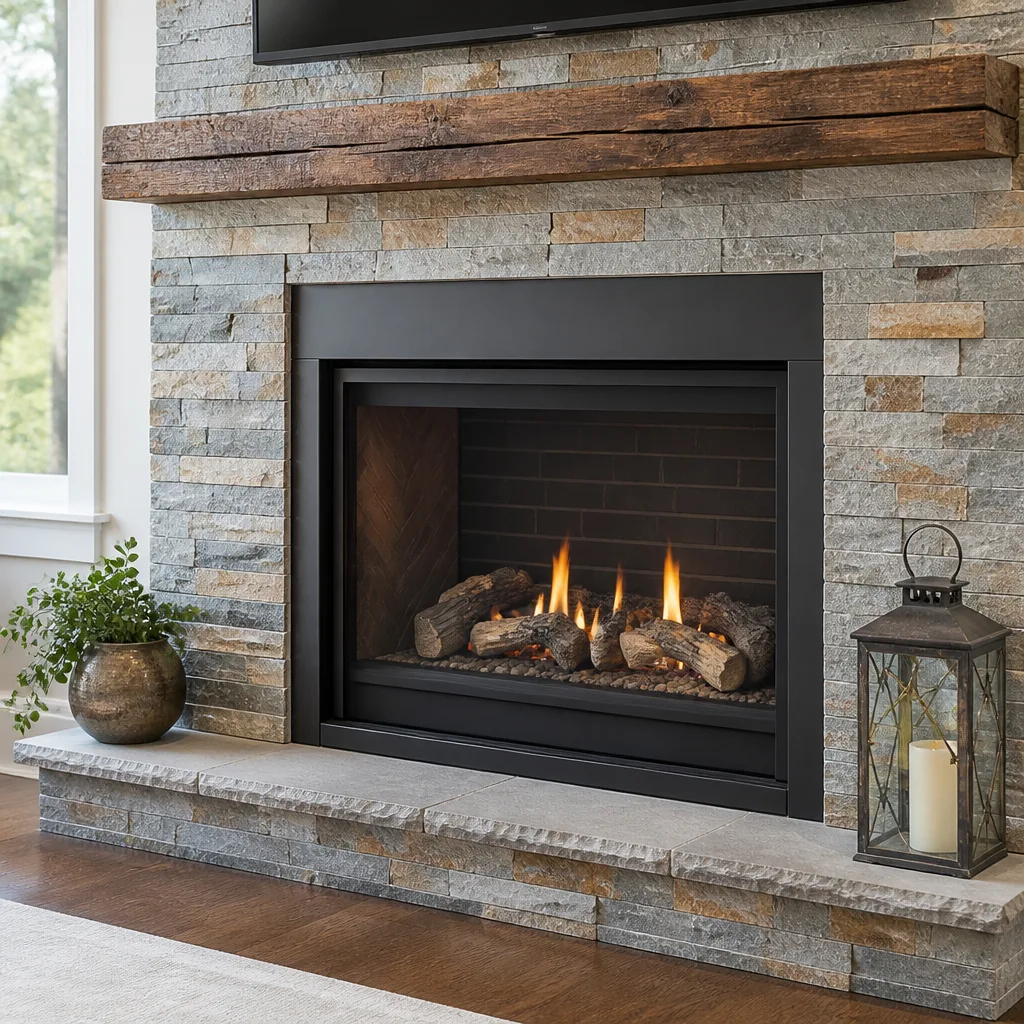 Gas fireplace service
Level 1 sweep and inspection to the NFPA 211 annual standard - flue, crown, cap, and flashing checked and photographed
Chimney sweep logs do not sweep chimneys. They loosen some creosote - which then falls where a brush and vacuum still have to collect it.
Chimney Sweep Troubleshooting: Common Problems and How to Fix Them
Here’s a counterintuitive fact most homeowners in Central-Alameda don’t know: a smoky fireplace is almost never about “needing a cleaning.” In our experience, roughly four out of five smoke problems trace back to draft and pressure issues that a brush through the flue won’t touch. You can sweep a chimney spotless and still have smoke rolling into your living room the next time you light a fire. This guide – along with our Complete Chimney Sweep Guide for Central-Alameda Homeowners – walks through the diagnostic logic we use on service calls across Central-Alameda, from the newspaper-roll test that confirms a cold flue to the difference between a creosote smell in July versus January. You’ll learn what you can check yourself, what needs a trained eye, and when a repair is the only fix that will actually hold.
Styles & brands we work with
- Sweep & inspection
- Caps & crowns
- Flue relining
- Masonry repair
- Gas fireplace service
Quick Answer
Chimney problems fall into three mechanical categories: draft failures (air pressure, cold flues, house tightness), blockages (nests, creosote buildup, debris), and structural damage (cracked liners, failing smoke chambers, deteriorated mortar). Smoke in the house usually points to draft failure, a persistent smell points to moisture mixing with creosote or a blockage, and visible cracks or spalling brick point to structural issues. Most homeowners can diagnose the first two categories with simple observation; the third requires a camera inspection and professional repair.
Table of Contents
- Smoke in the House: Draft Problems vs. Blockages vs. Structural Cracks
- The Cold Flue Problem in Exterior Chimneys (and the Newspaper Test)
- Creosote Smell in Summer vs. Winter: What Each One Means
- The Failing Smoke Chamber: The Most Commonly Missed Smoke Source
- Damper Won’t Seal? Here’s What’s Actually Happening
- HeatShield Resurfacing vs. DuraFlex Liner Replacement: When Each Is Correct
- Dryer Vent Problems That Mimic Chimney Problems
- Common Mistakes to Avoid
- When to Call a Professional
- Frequently Asked Questions
- The Bottom Line
Smoke in the House: Draft Problems vs. Blockages vs. Structural Cracks
When smoke rolls into a room instead of up the flue, homeowners in Central-Alameda usually assume one thing: the chimney is dirty. Sometimes that’s true. More often, the flue is clear and the problem is air pressure. A chimney works because hot air rises and creates negative pressure that pulls smoke upward. Anything that disrupts that pressure difference will push smoke backward into the house.
Draft problems show up in specific ways. Smoke that enters the room at startup and then improves after ten minutes is almost always a cold flue or a pressure imbalance, not a blockage. Smoke that starts fine and then spills in after thirty minutes usually means the chimney cannot handle the volume of exhaust, often because the flue is undersized or partially obstructed. Smoke that pours in from the first match and never improves points to a true blockage or a structural failure.
Here’s how to distinguish the three causes quickly:
- Draft problem: Smoke enters at startup, improves as the fire heats up, and worsens when kitchen or bathroom exhaust fans are running. The flue is typically open and visually clear.
- Blockage: Smoke enters constantly, the fire burns sluggishly, and you may smell a wet, acrid odor even when the fireplace is cold. A flashlight inspection often reveals debris, nests, or heavy creosote.
- Structural crack: Smoke enters intermittently with no pattern tied to weather or startup, and you may see staining on interior walls near the chimney chase. This requires a camera inspection to confirm.
Central-Alameda’s older housing stock makes draft problems especially common. Homes built before modern air-sealing standards tend to leak air unpredictably, and when a window or door seals tighter than it did fifty years ago, the chimney suddenly can’t compete. Many of these homes also have exterior chimneys, which brings us to the next section.
The Cold Flue Problem in Exterior Chimneys (and the Newspaper Test)
An exterior chimney is any chimney that runs up an outside wall rather than through the center of the house. In Central-Alameda, where nighttime temperatures drop consistently through the winter, an exterior masonry chimney absorbs cold air all night and holds onto it. When you light a fire the next evening, the dense column of cold air inside the flue acts like a plug. Smoke has nowhere to go, so it spills into the room.
The newspaper-roll test confirms this in under a minute. Roll two or three sheets of newspaper into a tight cylinder, light one end, and hold it up inside the firebox near the damper opening. If the smoke curls upward into the flue immediately, the draft is fine and your problem lies elsewhere. If the smoke wavers, hangs in the firebox, or drifts back toward the room, the flue is cold and the chimney needs to be primed before lighting the real fire.
Priming a cold flue is straightforward. Keep the newspaper roll lit and hold it near the damper for sixty to ninety seconds. The warmed air will begin rising and break the cold plug. Some homeowners in Central-Alameda with especially stubborn exterior chimneys keep a hair dryer in the hearth tools for this exact purpose, though we recommend newspaper because it also lets you watch the smoke behavior. If the smoke still won’t rise after two minutes of priming, you’re dealing with a negative pressure problem in the house itself, not just a cold flue. Open a window one inch in the room with the fireplace and try again. If the smoke rises, the house is too tight and the fireplace is competing with exhaust fans or a furnace pulling replacement air from the chimney instead of from the window.
For a deeper look at how this plays out in local homes, see our guide on Chimney Sweep in Central-Alameda, where we cover the full scope of draft testing we perform during routine service.
Creosote Smell in Summer vs. Winter: What Each One Means
A creosote odor behaves differently depending on the season, and the difference tells you what stage of buildup you’re dealing with. Understanding this one distinction will save you from either overreacting or ignoring a real problem.
A creosote smell in summer, when the fireplace hasn’t been used in months, is almost always moisture-related. Humidity enters the flue, mixes with creosote deposits left from the previous burning season, and creates a sharp, acrid smell that seeps into the house. This is Stage 1 or Stage 2 creosote, the kind that forms when wood fires burn at low temperatures. The smell is unpleasant but not immediately dangerous. The fix is a professional chimney sweep before burning season, and we recommend scheduling it in late summer or early fall in Central-Alameda so the chimney is ready when the first cold snap hits.
A creosote smell in winter, while the fire is burning or right after it goes out, is a different animal. This indicates Stage 3 creosote, the hardened, glossy, tar-like deposit that forms when flue temperatures run hot and the creosote bakes on. Stage 3 creosote is what fuels chimney fires. If you smell creosote strongly while the fire is going, it means the flue is coated and the interior temperature is high enough to make those deposits off-gas. Stop using the fireplace and schedule an inspection before the next fire.
The moisture factor matters in Central-Alameda specifically. We’re close enough to the bay that humidity levels stay elevated year-round, and that moisture accelerates the chemical reaction that turns soft creosote into hard glazed creosote. Homes within a mile of the water report creosote odors in summer more frequently than homes further inland, not because they burn different wood, but because the ambient humidity never really drops off.
The Failing Smoke Chamber: The Most Commonly Missed Smoke Source
When a homeowner tells us smoke enters the house on windy days or when the fire burns low, the first place we look is not the flue liner. It’s the smoke chamber.
The smoke chamber is the inverted funnel-shaped section that sits between the firebox and the flue. Its job is to compress and accelerate smoke upward into the narrower flue. In older Central-Alameda homes, smoke chambers were often built with corbeled brick, meaning the bricklayer stepped each course inward to create the funnel shape. Those stepped joints were rarely parged smooth. Over decades, the mortar between steps erodes, gaps open, and smoke gets caught in the pockets. When wind gusts hit the chimney top or the fire burns low and draft weakens, smoke escapes through those gaps into the wall cavity around the chimney.
The symptom pattern is specific. Smoke appears in the room when the fire is winding down, not when it’s blazing. You might smell smoke in an upstairs room that shares a wall with the chimney chase but has no fireplace. If you see dark staining on interior wall surfaces near the chimney, especially above the mantel or in an adjacent room, a failing smoke chamber is a strong suspect.
This is not a DIY fix. The repair involves parging the smoke chamber with a refractory mortar to create a smooth, continuous surface, and in many cases the flue tile above it needs attention at the same time. We handle this as part of our Chimney Repair in Central-Alameda service, and we always camera-inspect the full system before recommending the work so you can see exactly what we’re seeing.
Damper Won’t Seal? Here’s What’s Actually Happening
A damper that won’t close or won’t seal is more than an annoyance. It’s an energy leak, an odor source, and sometimes a sign of structural movement. The damper is a simple metal plate at the top of the firebox, but the reasons it fails are varied enough that a quick diagnosis saves time and money.
Start with the most common cause: rust and soot buildup on the hinge and track. Over years of fires, combustion byproducts accumulate on the metal surfaces where the damper plate pivots. The plate gets stiff, then stuck, and eventually won’t close fully. Cleaning the hinge with a wire brush and applying a high-temperature lubricant often restores function in ten minutes. This is safe to do yourself with the damper in the closed position.
If the damper moves freely but leaves a visible gap when closed, the plate or frame may be warped. Warped dampers are common in Central-Alameda homes where decades of coastal air have caused corrosion. A warped damper won’t seal by adjustment alone. The fix is a replacement, and in most cases we recommend a top-sealing damper instead of another throat-mount unit. A top-sealing damper mounts at the top of the flue and pulls shut with a cable, sealing the entire flue with a gasketed cap. It stops the chimney from drafting conditioned air out of your house all year, which a throat damper even in perfect condition cannot do.
One more cause we see regularly: the damper was removed entirely by a previous owner or contractor to make room for a wood stove insert, and the hole was never properly closed. If you have an open hole where a damper used to be and no active insert, the chimney is an unsealed opening to the outside. This needs professional attention.
HeatShield Resurfacing vs. DuraFlex Liner Replacement: When Each Is Correct
This is the question homeowners in Central-Alameda ask us more than any other: can the liner be repaired, or does the whole thing need to come out? The answer depends on the condition of the existing flue tile and the type of damage. Getting it right means the difference between a targeted restoration and a full replacement.
HeatShield is a cementitious resurfacing system applied to the interior of an existing flue. A trained technician coats the flue walls with a refractory compound, restoring a smooth, continuous surface that seals minor cracks and gaps. It’s the correct fix when the flue tile is structurally intact but shows surface deterioration: hairline cracks, spalling from years of thermal cycling, or mortar joints that have eroded between tile sections. HeatShield restores the flue to safe operation without the cost and disruption of removing the old liner.
DuraFlex is a stainless steel flexible liner installed inside the existing flue. It becomes the new flue surface and is the correct answer when the structural condition of the original liner is too far gone for resurfacing: large cracks, collapsed tile sections, gaps between tiles that expose the masonry behind them, or a flue that was never properly sized for the appliance it serves. A DuraFlex liner also becomes effectively mandatory if you’re installing a new wood stove or insert and the existing flue was built for an open fireplace.
The honest dividing line is this: if a camera inspection shows cracks but the tile sections are still in place and the flue maintains its shape, HeatShield is worth considering. If tile sections have shifted, separated, or fallen out, resurfacing won’t hold and a DuraFlex liner is the only correct answer. We stock and install both systems, which means our recommendation is based on what your chimney actually needs, not what we happen to carry. That’s the advantage of working with a company that carries professional trade brands like HeatShield and DuraFlex instead of whatever’s on the shelf at a big-box store. For help choosing the right chimney cleaning brand, see our buyer’s guide for Central-Alameda.
Dryer Vent Problems That Mimic Chimney Problems
Some of the calls we take for chimney issues turn out to be dryer vent problems, and the confusion is understandable. Both systems move hot, particle-laden air out of the house through a metal duct, and both fail in similar ways when airflow is restricted. Here’s how to tell them apart.
If you smell something burning while the dryer is running, that’s lint buildup in the dryer vent, not the chimney. Lint is highly flammable, and a restricted dryer vent lets heat build until lint ignites. The smell is usually more like scorched fabric than wood smoke. Your dryer taking forty-five minutes to dry a load that used to take thirty is the same problem: restricted airflow. You’ll also notice the laundry room stays warmer than it should during a cycle, and the outside vent hood may be covered in a fine gray film.
A chimney problem smells different. Wood smoke has a distinctive character, and it’s present even when appliances are off. A chimney that’s drafting poorly will also let outdoor air into the house when the fireplace isn’t in use, giving you cool drafts near the hearth in winter.
The two systems share a common maintenance logic: restricted airflow is the root of nearly every dangerous failure. We clean both because they operate on the same principle and because the supply chain we use for chimney work carries over to venting products from the same professional-grade manufacturers. If you’re not sure which system is causing the problem, our Dryer Vent Cleaning in Central-Alameda service includes an airflow test that tells you in minutes whether the vent is the culprit. One company, one visit, both systems checked.
Common Mistakes to Avoid
- Sweeping before diagnosing. Running a brush through the flue when the real problem is a cold-flue draft or a failing smoke chamber wastes money and doesn’t fix the smoke. Diagnose first, then clean if cleaning is what’s needed.
- Burning the wrong wood in Central-Alameda’s coastal climate. Unseasoned wood smolders at low temperatures and deposits creosote fast, and our humidity makes it worse. Burn wood that’s been split and stacked for at least six months, preferably a full year.
- Ignoring a summer creosote smell. It’s tempting to forget the fireplace until fall, but a creosote odor in July is telling you the flue has enough buildup that moisture is reacting with it. Waiting until November means burning with that buildup in place.
- Using the fireplace as a primary heat source without annual inspection. Open fireplaces are inefficient heaters and deposit creosote unevenly. If you’re burning regularly in Central-Alameda’s winter, inspect at least once per season.
- Closing the damper too soon after a fire. Coals still off-gas carbon monoxide for hours after the flames die. Wait until the fire is completely out and the embers are cold before closing the damper.
- Assuming a new house has a clean chimney. We’ve found construction debris, dead birds, and even active nests in chimneys of homes less than five years old. New construction doesn’t mean inspected construction.
- Installing a bigger firebox without checking flue capacity. If you upgrade a stove or insert, the existing flue may be undersized for the new appliance’s exhaust volume. Bigger fire, same flue, guaranteed smoke problems.
When to Call a Professional
Call a professional if you see smoke entering the house after you’ve ruled out cold-flue and pressure issues, if you smell creosote while a fire is burning, if you find Stage 3 glazed creosote during a visual inspection, or if you see cracks, spalling brick, or staining on interior walls near the chimney. A camera inspection is non-negotiable when structural questions are on the table, and the equipment to do it properly costs more than the visit itself. Tidewater Chimney Sweep home offers free estimates in Central-Alameda for all chimney and venting concerns. Call (866) 282-7014 and we’ll tell you honestly whether the problem needs a sweep, a repair, or nothing at all.
Frequently Asked Questions
A standard chimney sweep in Central-Alameda typically runs between $180 and $350 depending on the flue condition, chimney height, and whether the previous sweep left heavy creosote behind. The price goes up if we find Stage 3 creosote that requires chemical treatment or rotary cleaning. Call (866) 282-7014 for a free estimate before we recommend anything; you’ll know the exact number before we schedule, not after we arrive.
A cracked liner is a real safety issue, but “cracked” covers a wide range of severity. Hairline surface cracks can often be addressed with HeatShield resurfacing, while separated or collapsed tile sections require a DuraFlex stainless steel liner replacement. Ask for a camera inspection and watch it yourself. Any company that recommends a liner replacement without showing you the footage is asking you to take their word on a multi-thousand-dollar repair, and you shouldn’t have to.
The National Fire Protection Association standard is that chimneys should be inspected at least once a year and swept when creosote buildup reaches 1/8 inch. For an open fireplace used two or three nights a week during Central-Alameda’s winter, once per burning season is the practical minimum. A wood stove used as a primary heat source may need sweeping twice per season, and a gas fireplace needs annual inspection but rarely needs sweeping.
Creosote accumulates in three stages, from flaky soot to tar-like glaze, and the glaze is what ignites in a chimney fire. Beyond fire risk, moisture and creosote combine into an acidic compound that eats away at mortar joints and flue tiles, turning a $250 sweep into a $3,000 liner job within a few seasons. The chimney also drafts progressively worse as the flue narrows, so you get more smoke, less heat, and higher repair costs the longer you wait.
Rainwater entering the flue mixes with creosote deposits and releases the same odor you smell after a campfire dies out. This is more pronounced in Central-Alameda because our coastal humidity keeps the deposits damp longer. A chimney cap usually solves the water entry, but the creosote still needs to be removed or the smell will return whenever humidity spikes. Call (866) 282-7014 if the smell persists after a cap installation; the deposit is the problem, not just the water.
Lint fires are real and surprisingly common. The U.S. Fire Administration attributes thousands of residential fires annually to dryer vents, and the cause is almost always restricted airflow from lint accumulation. The highest-risk signal is a dryer that takes multiple cycles to dry a load, because it means the vent is already restricted enough that heat is building. We clean dryer vents with the same professional-grade equipment and supply chain we use for chimney work, and we’ll show you the airflow reading before and after.
The Bottom Line
Chimney problems are mechanical problems, and mechanical problems have specific causes. Smoke in the house is a draft failure, a blockage, or a structural crack. A creosote smell in winter means something different than the same smell in summer. A damper that won’t seal is usually rust, but sometimes it’s a warning that the whole throat assembly is failing. The most important skill is diagnosis: knowing whether you’re looking at a simple fix, a professional cleaning, or a structural repair. For more guides & resources, explore our blog. If you’re in Central-Alameda and something in your chimney isn’t behaving, call (866) 282-7014 for a free estimate. We’ll tell you exactly what we’re seeing, show you the evidence, and fix it only as far as it actually needs fixing.
Written by the team at Tidewater Chimney Sweep, serving Central-Alameda since 2012.
See the difference
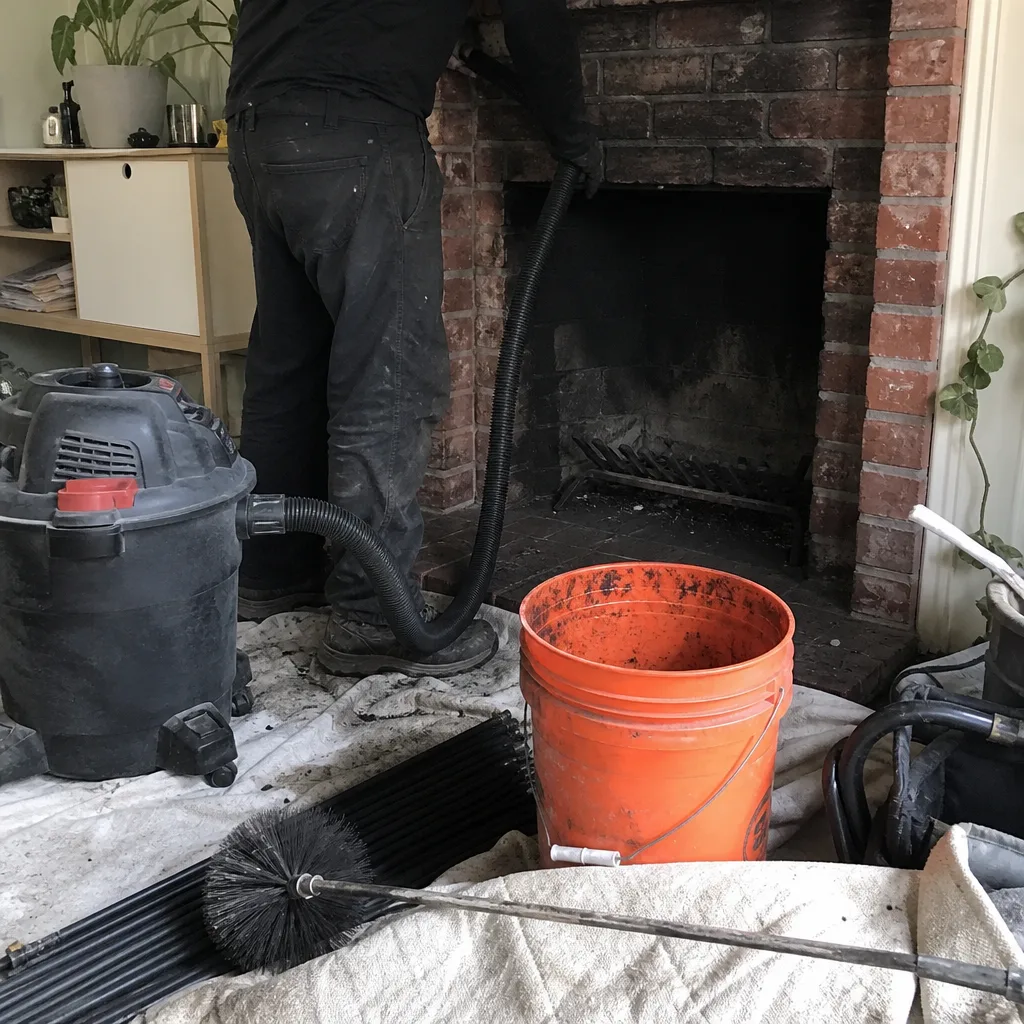 Before
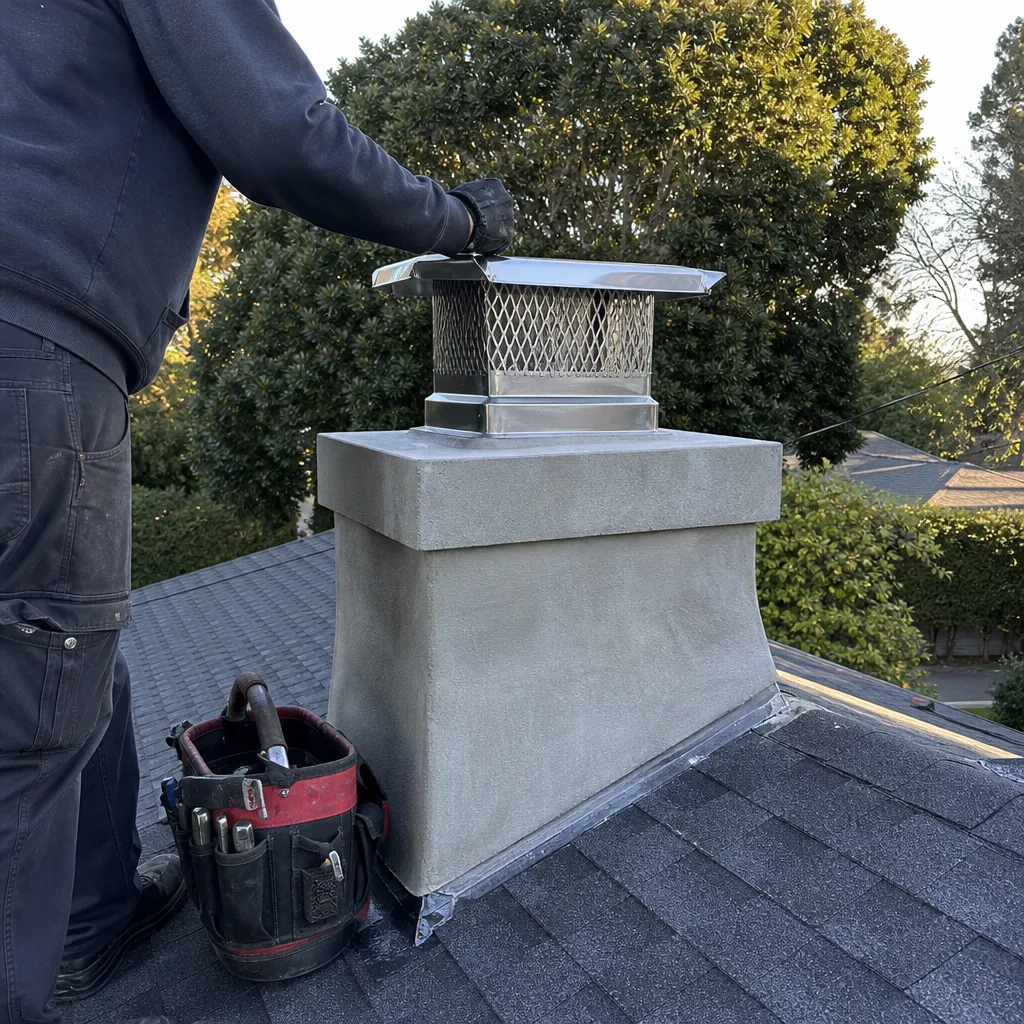 After
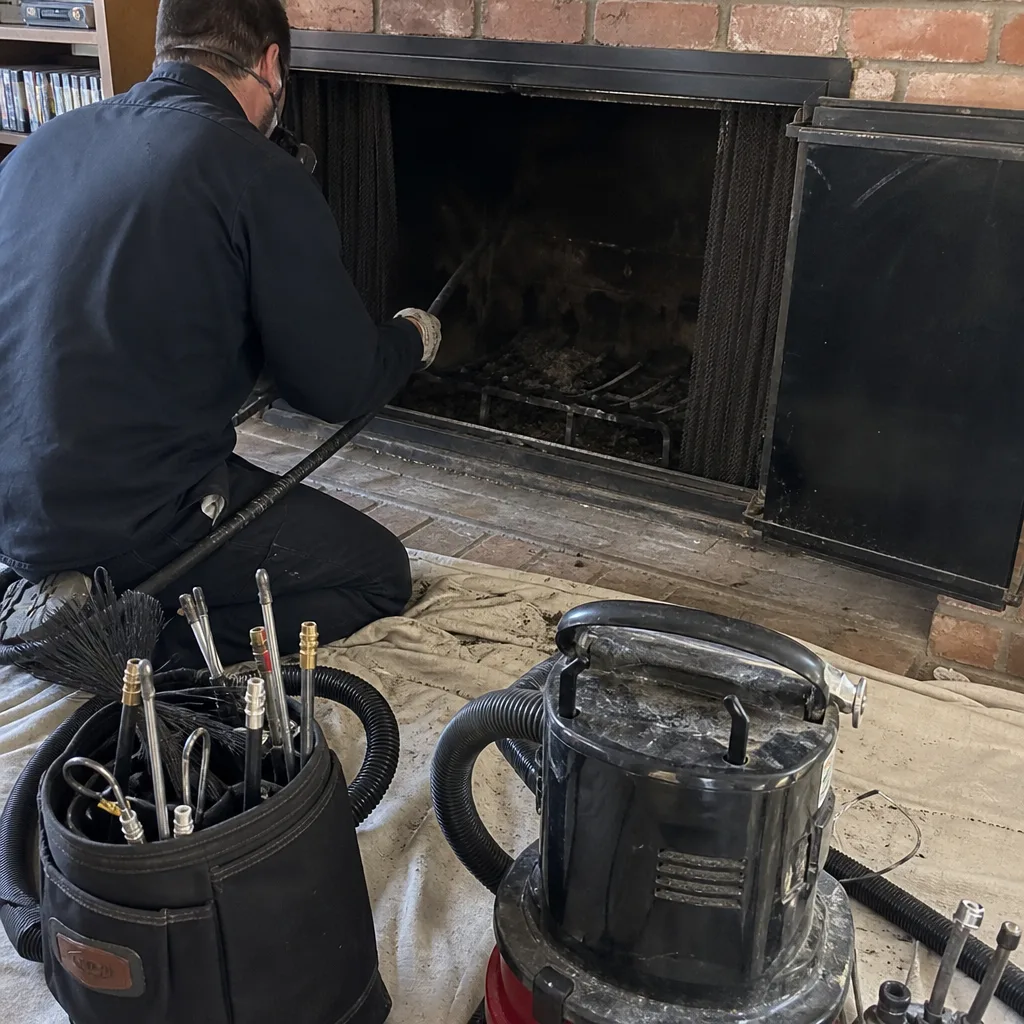 Before
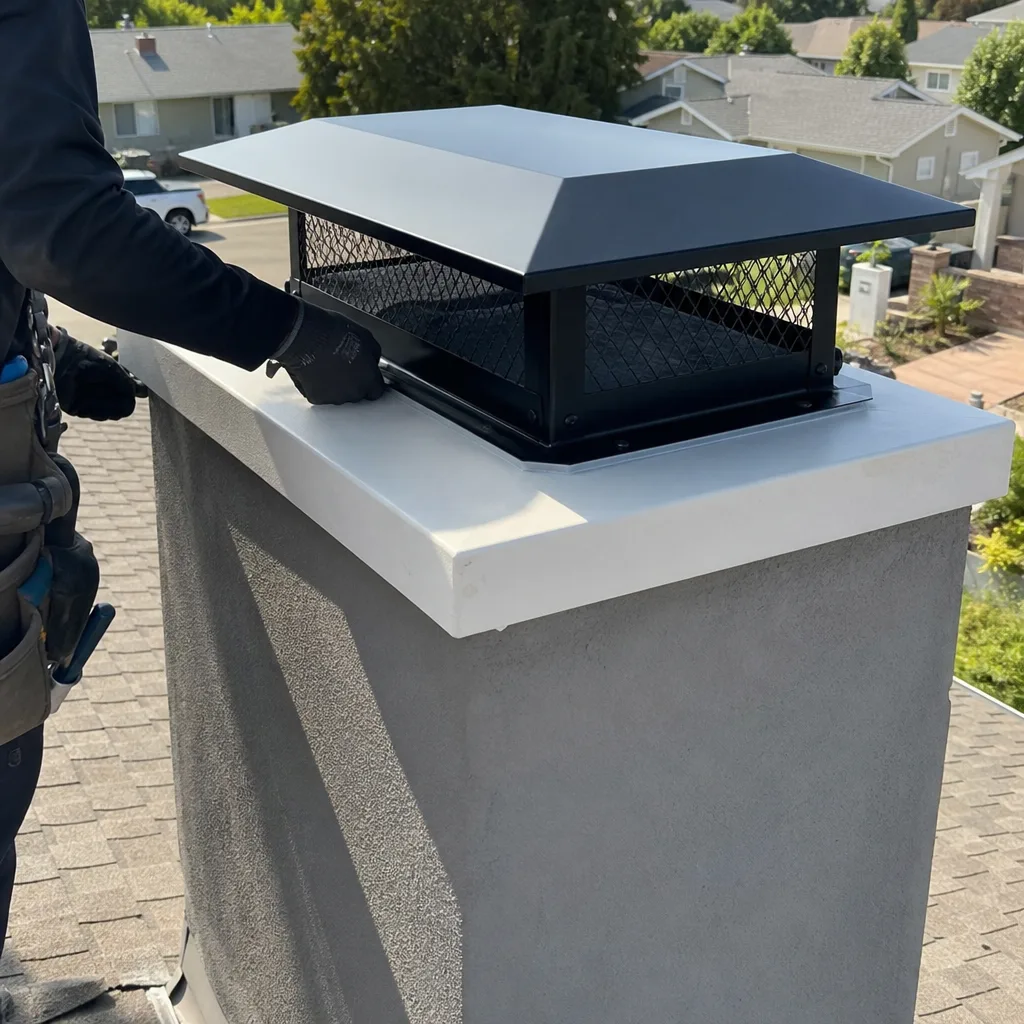 After
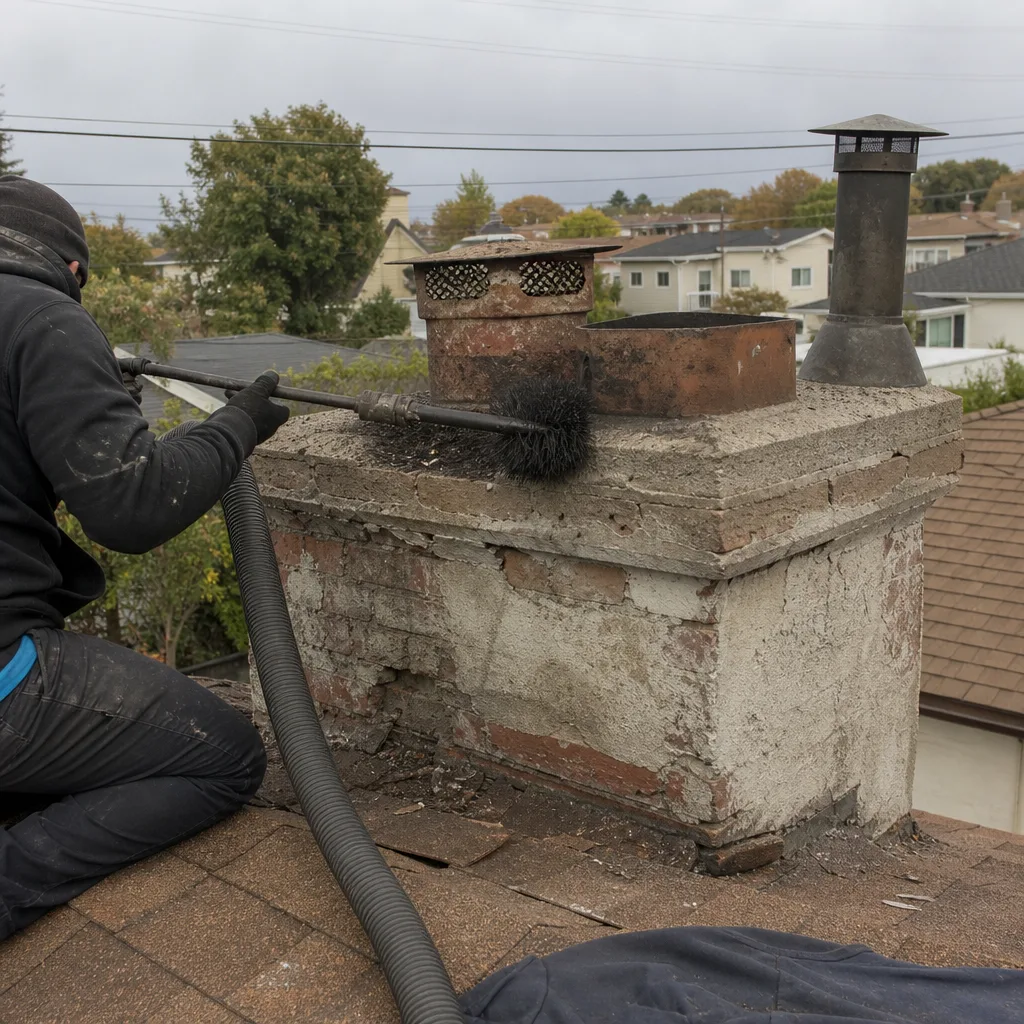 Before
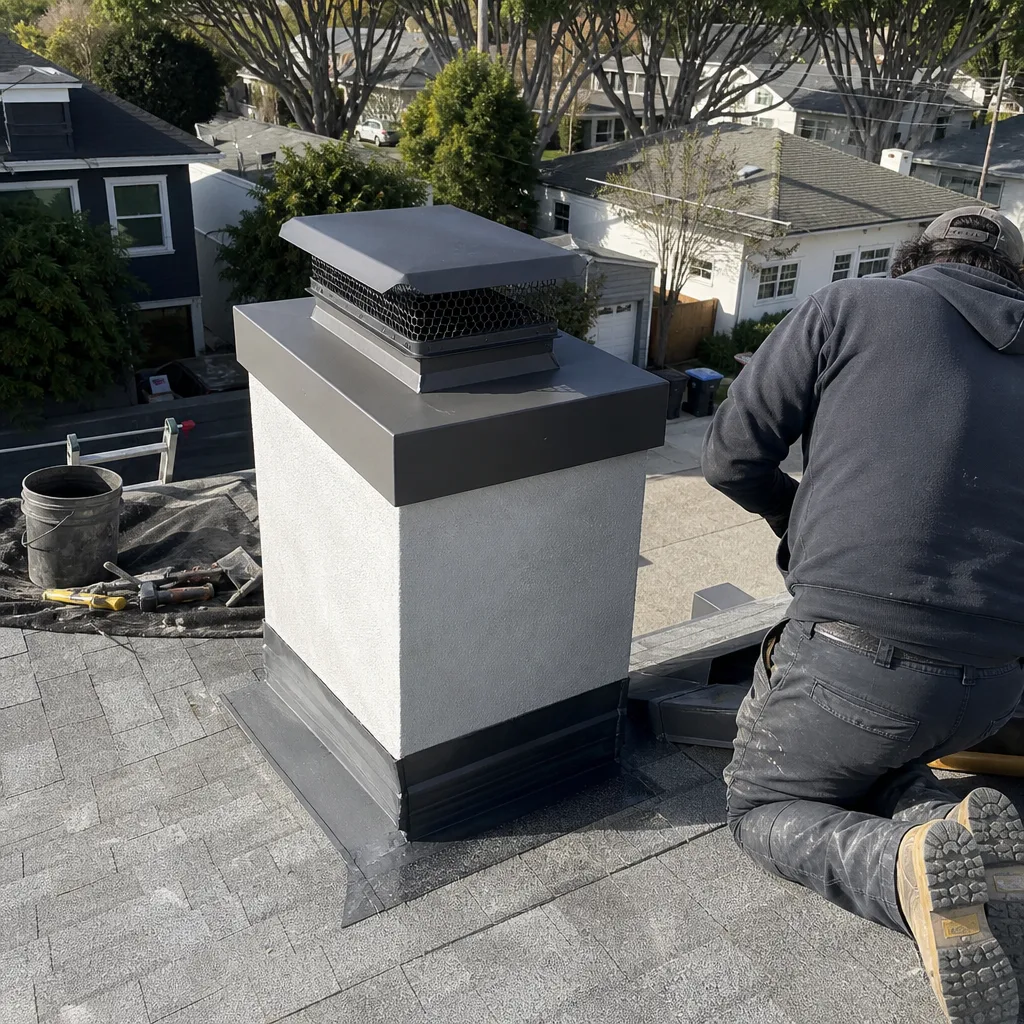 After