
Last updated November 2, 2026
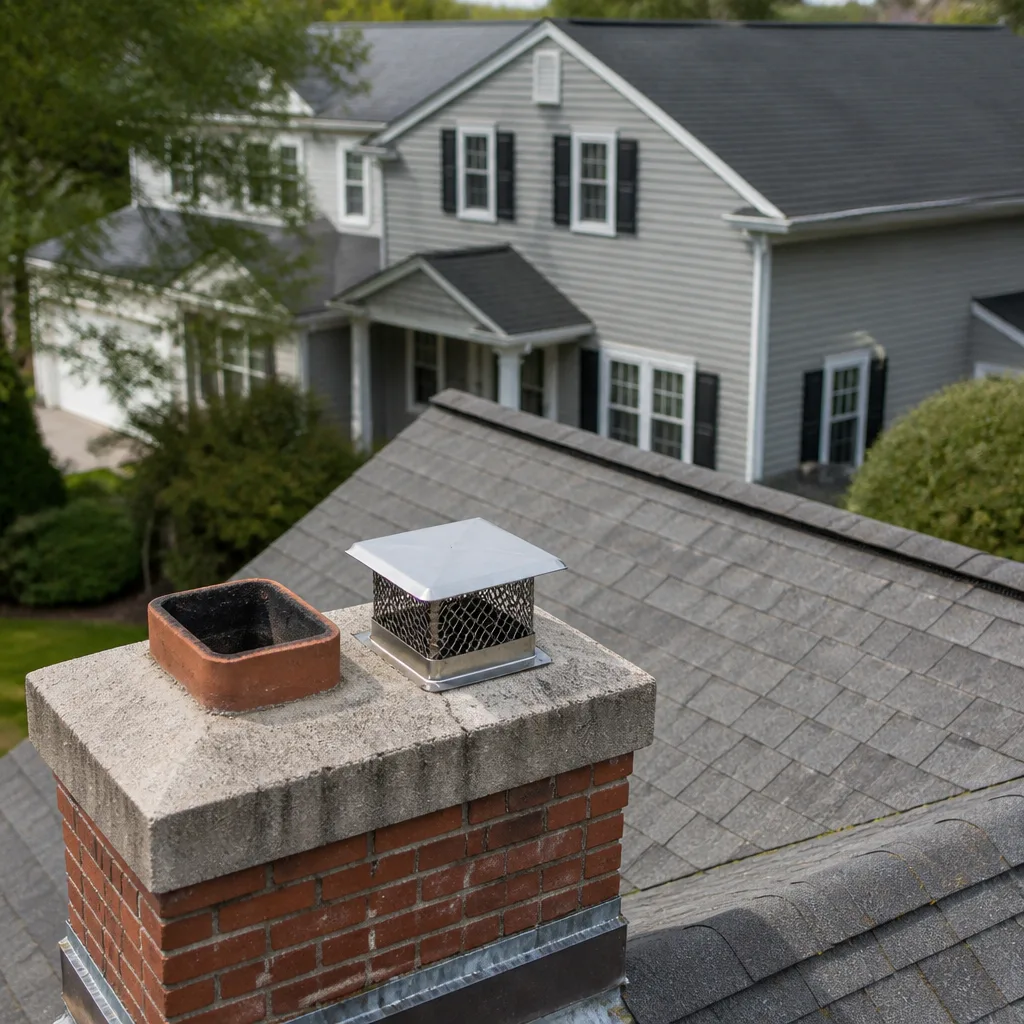 Sweep & inspection
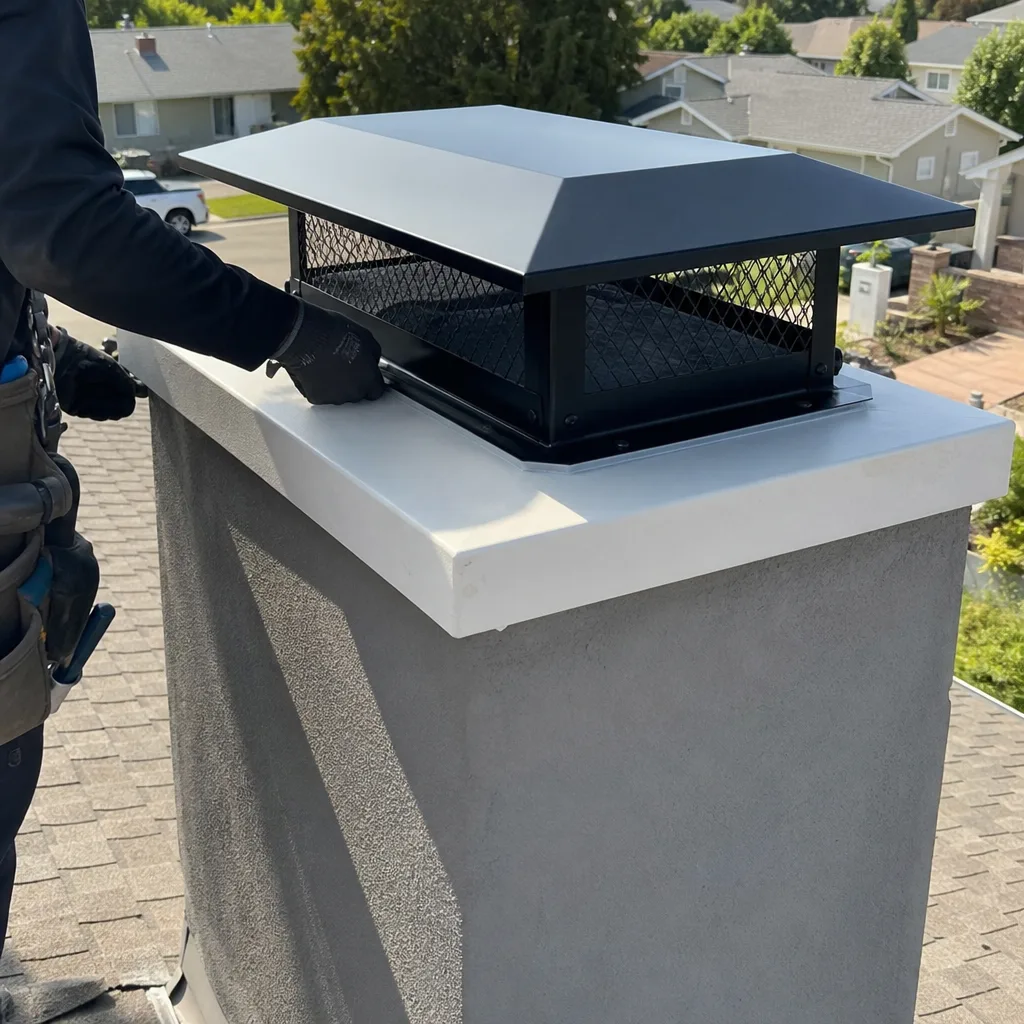
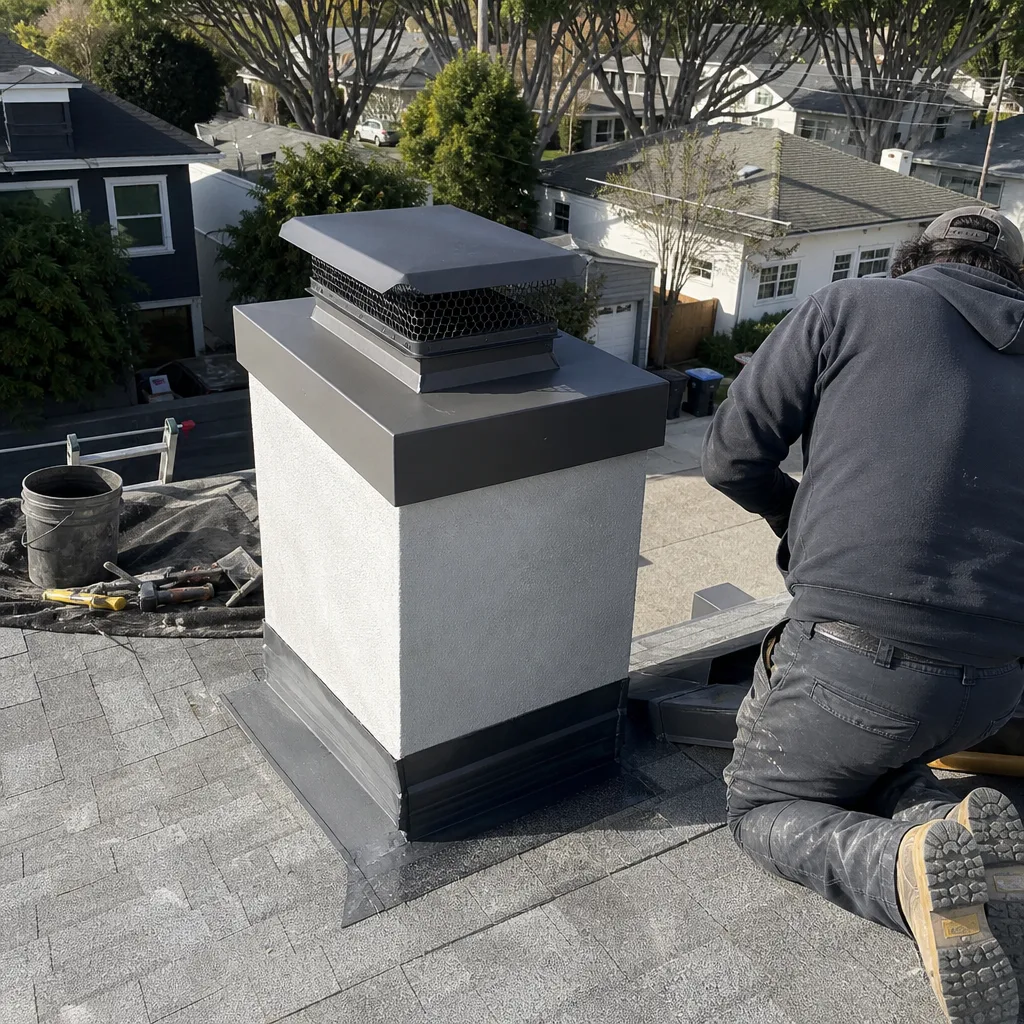
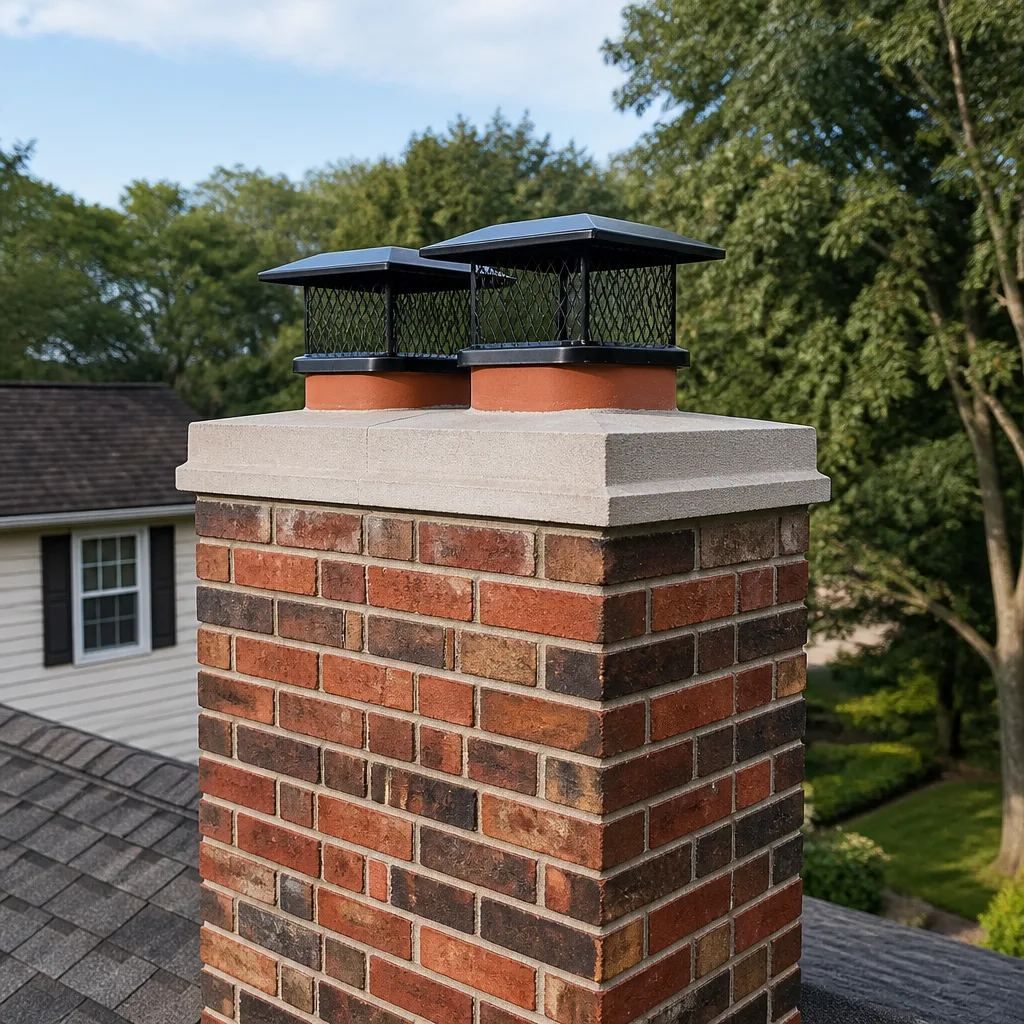 Caps & crowns
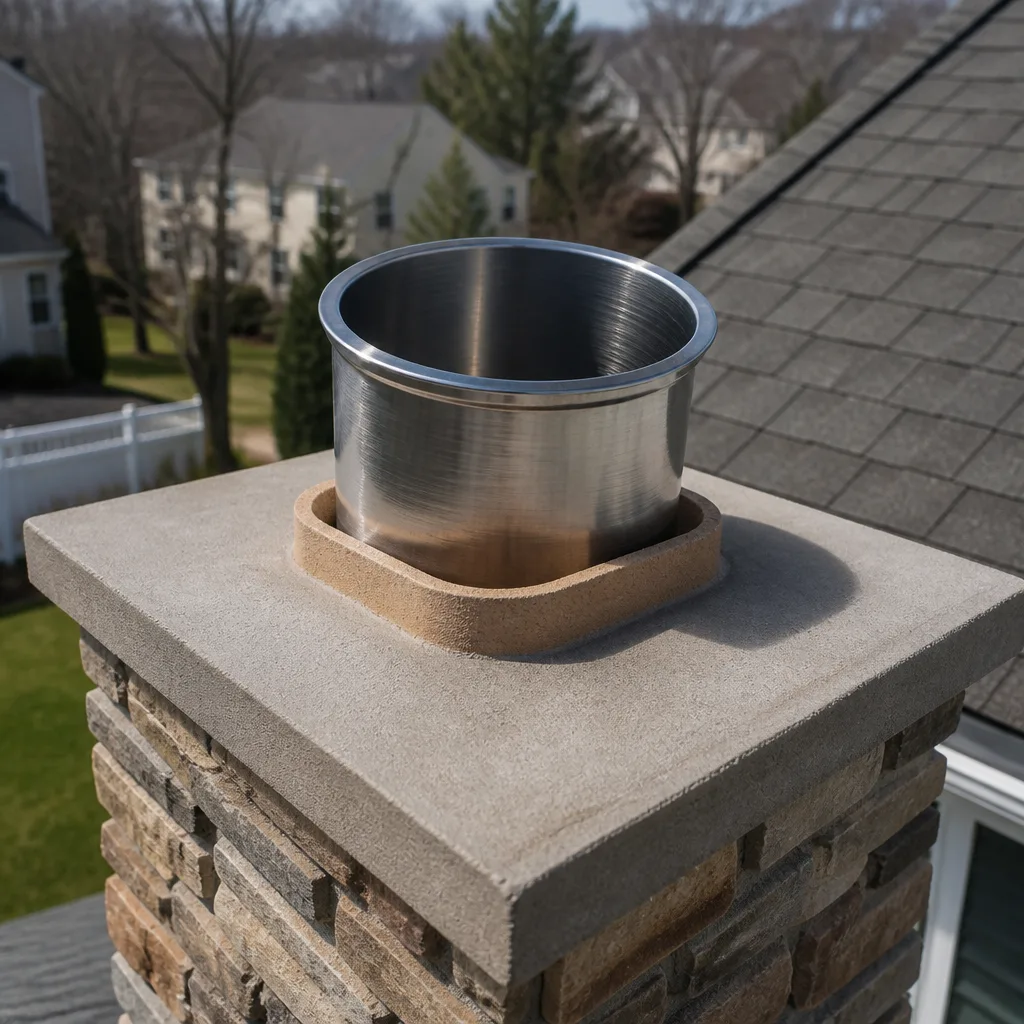 Flue relining
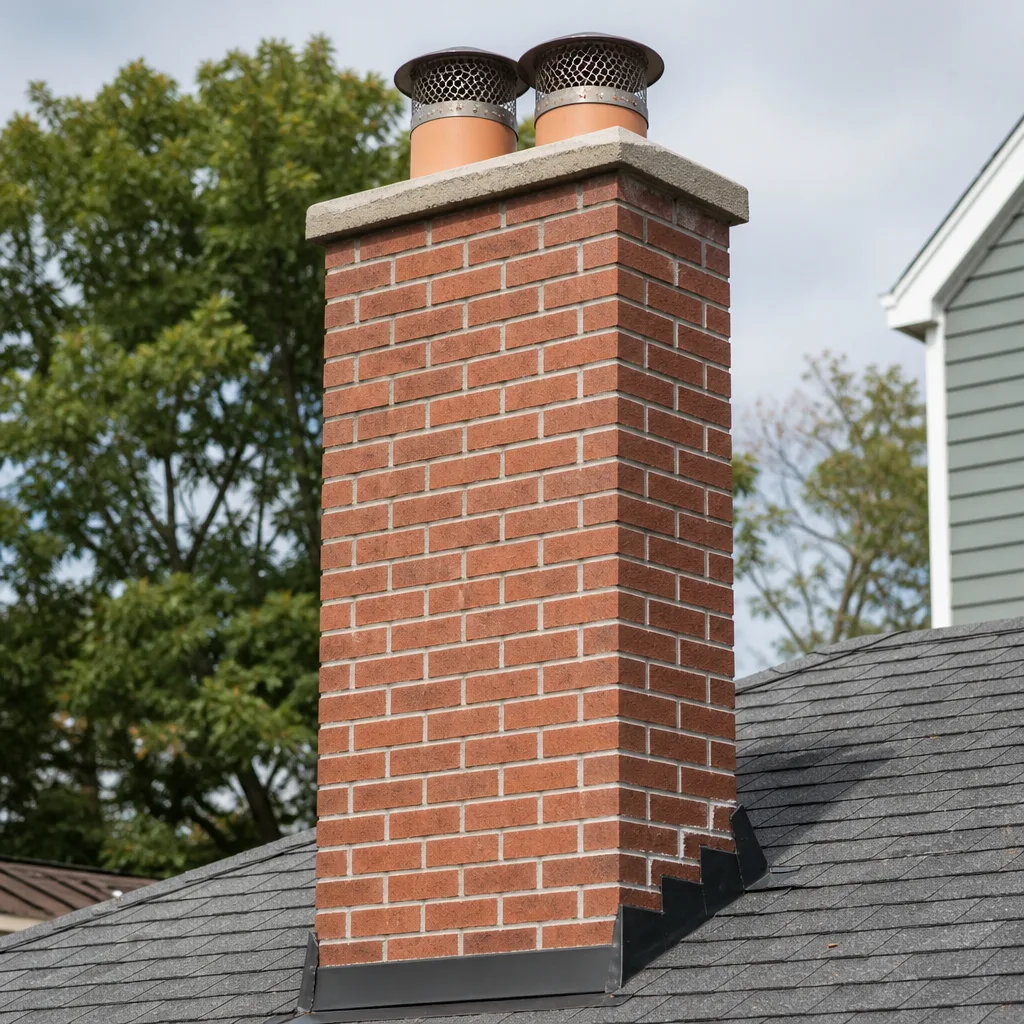 Masonry repair
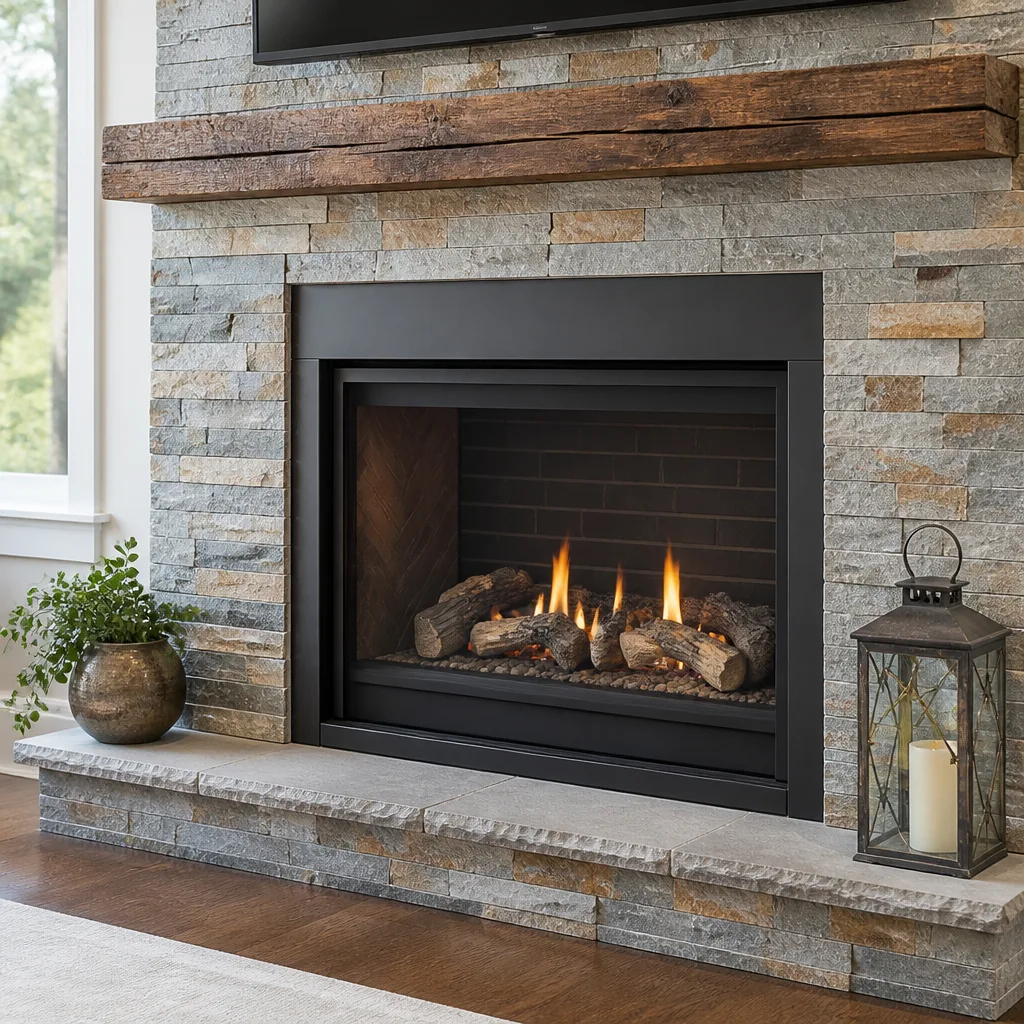 Gas fireplace service
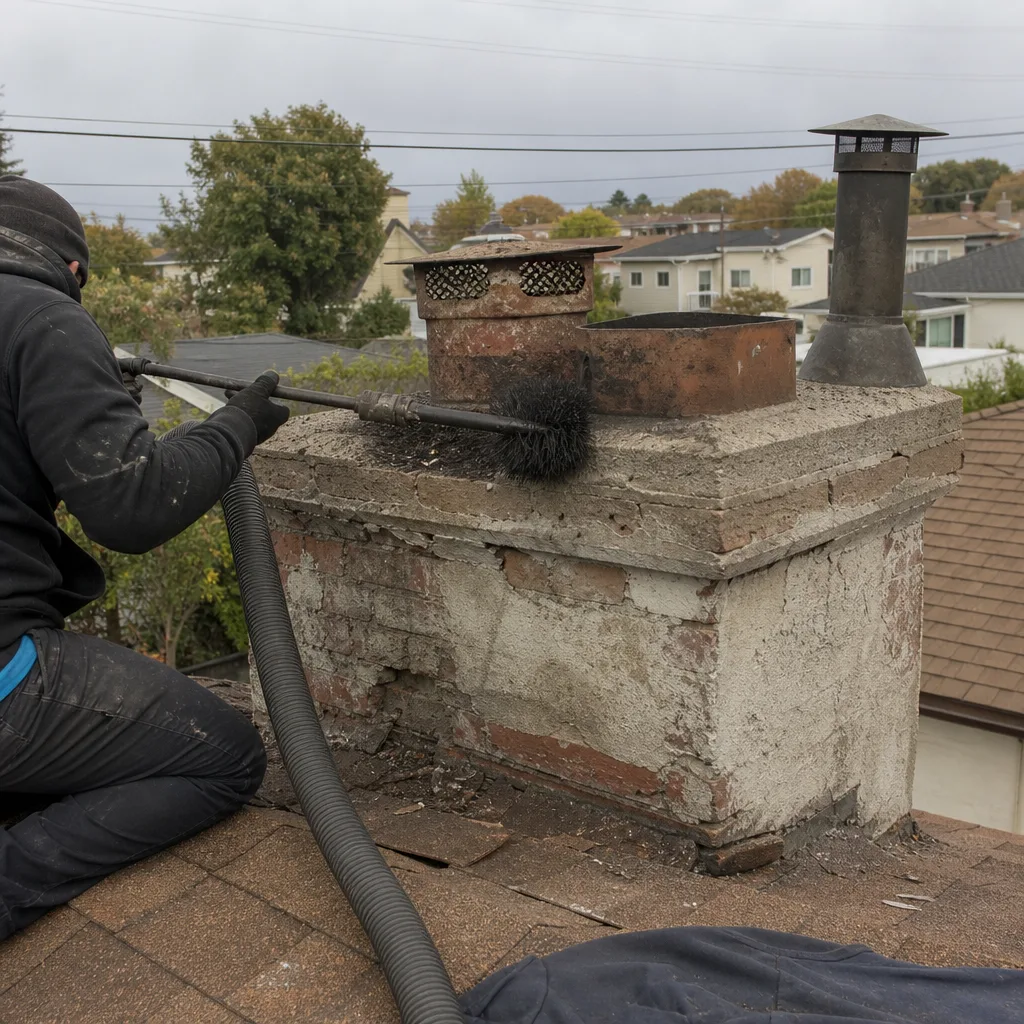
Level 1 sweep and inspection to the NFPA 211 annual standard - flue, crown, cap, and flashing checked and photographed
Chimney sweep logs do not sweep chimneys. They loosen some creosote - which then falls where a brush and vacuum still have to collect it.
Chimney Sweep Maintenance Checklist for Central-Alameda Homeowners
Here’s something most Central-Alameda homeowners don’t expect: the biggest threat to your chimney isn’t fire. It’s water, working slowly through hairline cracks that open up during cold snaps and the small seismic shifts this region feels more often than anyone likes to admit. A chimney that sits idle nine months of the year doesn’t stay frozen in time. It moves, it absorbs moisture, and it degrades in predictable, preventable ways. This guide covers the maintenance rhythm that actually matches Central-Alameda’s climate and housing stock, the warning signs you can spot from the ground, what belongs strictly in a professional’s hands, and how to build a documentation trail that protects you when you sell or file an insurance claim.
Styles & brands we work with
- Sweep & inspection
- Caps & crowns
- Flue relining
- Masonry repair
- Gas fireplace service
Quick Answer
Central-Alameda homeowners should have their chimney professionally swept and inspected once per year, ideally in late summer or early fall before burn season, and should perform a simple visual check of the crown, flashing, and mortar joints after any earthquake or major storm. The annual professional visit should always include a camera inspection of the flue interior, damper operation testing, and a smoke chamber assessment – not just a sweep. Keep a dated record of every service and photo; it’s your proof of maintenance for insurers and buyers.
Table of Contents
- Why Central-Alameda Chimneys Fail Differently
- Month-by-Month Maintenance Calendar
- Visual Inspection Checklist: Owner Level
- After a Seismic Event: The 10-Minute Check
- Damper Operation and Smoke Chamber: The Overlooked Pair
- Professional Diagnostics vs. DIY Observations
- Documenting Chimney Condition Over Time
- Common Mistakes to Avoid
- When to Call a Professional
- Frequently Asked Questions
- The Bottom Line
Why Central-Alameda Chimneys Fail Differently
Central-Alameda sits in a strange middle ground for chimney longevity. We’re not Tahoe, where deep freezes and heavy snow pack test masonry every winter. We’re not Phoenix, where relentless sun bakes mortar to dust. We get the quiet version of both threats. Winter nights dip low enough to freeze moisture trapped in crown cracks. Summer afternoons warm the flue enough to expand and contract the clay liner. Add the region’s ongoing micro-seismic activity – small tremors most people don’t even register – and you have a recipe for slow structural movement that shows up as cracked crowns, lifted flashing, and mortar joints that shed sand grains year after year.
In our experience working on Central-Alameda chimneys, we’ve seen a clear pattern. Homes built in the 1950s through 1970s, especially in neighborhoods like the East End and Gold Coast, tend to have chimneys with unlined or thinly lined flues and crown caps that were poured with standard concrete mix, not the weather-resistant blends used today. Homes from the 1980s onward are better built but often have prefabricated chimney systems that homeowners mistake for masonry – and those have their own maintenance requirements. The point is that a generic chimney checklist written for the national audience misses what actually shows up here. This one is built around what fails in this specific housing stock and this specific climate.
Month-by-Month Maintenance Calendar
Central-Alameda’s burn season is compressed. Most homeowners use their fireplaces from late October through early March, with occasional shoulder-season fires for ambiance. That leaves seven to eight months where the chimney is dormant. Here’s the maintenance rhythm that matches that reality.
Late August through September: Schedule the Annual Sweep and Inspection
This is the single most important task on the calendar. Book your professional sweep before the fall rush, when schedules fill quickly. The Chimney Sweep in Central-Alameda service should include a full flue cleaning and a camera inspection of the interior. You’ll also want the technician to check the crown, flashing, damper, and smoke chamber during this visit – not just run a brush up the flue. A proper sweep with inspection catches problems in September, when there’s still time to repair them before cold nights arrive.
October: Test Run Before the First Real Fire
Two weeks after your sweep, do a small test fire. Use seasoned hardwood, not construction scraps or paper. Watch the smoke. If it draws up quickly and the room stays clear, you’re set. If smoke wanders back into the room, the damper may not be fully open, or there’s a draw issue worth investigating before regular use begins.
November through February: Burn Season Vigilance
During burn season, watch for changes in how your fireplace behaves. New or louder crackling from inside the flue can indicate creosote buildup. A whistling sound at higher burn rates can signal an airflow restriction. More smoke in the room on windy days points to cap or draft issues. If any of these appear, stop burning and get it checked before the problem compounds.
March: End-of-Season Check and Cool-Down
After your last fire of the season, leave the damper open for 24 hours to let residual creosote harden and dissipate odor. Then close it. This is also the time to photograph the firebox and damper for your documentation file, which we’ll cover later.
April through July: Dormant Season Moisture Checks
Monthly or after heavy rain, do the following two-minute check from the ground level. Look for water stains on the ceiling near the chimney chase. Check for white efflorescence staining on exterior brick. Look for any new cracks in the crown visible from below. These are all signs that water is getting where it shouldn’t. In Central-Alameda’s fog-heavy summers, moisture intrusion during the dormant season is the leading cause of liner degradation we see.
Year-Round: After Any Seismic Event
We’ll detail this in its own section, but the rule is simple: any quake you feel, any quake you hear about on the news that was centered within 30 miles, do the 10-minute visual check.
Visual Inspection Checklist: Owner Level
You don’t need to climb on your roof. In fact, stay off it. Most of what you need to see from a maintenance standpoint is visible from the ground or from inside your home.
From the Ground Exterior
- Check the crown. Look at the concrete cap at the top of the chimney. You’re looking for cracks wider than a quarter inch, pieces missing from the edge, or standing water visible as dark staining. The crown’s entire job is to shed water away from the flue. When it fails, water runs down the inside of the chimney, which is worse than rain coming down the flue because it saturates the masonry slowly over months.
- Look at the flashing. Flashing is the metal where the roof meets the chimney. You’re checking for lifted edges, rust, visible sealant that’s cracked and peeling, or gaps between the flashing and brick. Run a hose lightly against the roof above the chimney. Don’t do this. Instead, wait for rain and check the attic or ceiling near the chimney for moisture. If you see any, the flashing is suspect.
- Scan the mortar joints. Run your eyes down the brick lines. If you can see recessed joints, missing mortar, or areas where the brick edges look “sharp” instead of rounded, that’s spalling, and it means moisture is working through the masonry. In Central-Alameda’s coastal air, spalling progresses faster than inland.
- Look for lean. Stand back and eyeball the chimney against a vertical reference like a roof vent or corner board. Any obvious tilt is a structural red flag that needs professional assessment immediately.
From the Interior Firebox
- Examine the firebox walls. Look for cracked firebricks, missing mortar between bricks, or white staining from moisture. The firebox is designed to handle direct flame, but it’s not designed to handle water.
- Check the damper. Open it, close it, open it again. Does it move freely? Does it seal completely when closed? A damper that sticks or doesn’t close all the way lets conditioned air escape year-round and lets moisture work on the damper mechanism itself.
- Look for debris. Twigs, leaves, bird nesting material, or dead insects in the firebox mean the cap is compromised. The cap keeps animals and debris out. If debris is getting in, the cap needs attention.
- Shine a light up the flue. Look for any obstruction, visible creosote buildup that looks like black, crusty foam or shiny tar, or missing sections of liner. If you see anything other than smooth, intact walls, don’t burn. Schedule a professional camera inspection.
After a Seismic Event: The 10-Minute Check
Central-Alameda sits on the Hayward Fault system, and even small tremors can shift chimney structure. The problem is that damage from micro-quakes is rarely dramatic. It’s a hairline crack in the crown. It’s flashing that lifted a quarter inch. It’s a mortar joint that was already weak and finally let go. None of these are visible from inside, and most aren’t visible from the ground immediately after the event. But there are specific checks you can do that catch the most common seismic-related failures.
What to Do Within 48 Hours of a Felt Quake
- Re-do the ground exterior check. Pay special attention to new cracks in the crown and any changes to the flashing. Compare what you see against your last set of photos. This is where documentation pays off; you know what you’re looking at changed because you have a baseline.
- Inside, check the damper alignment. If the damper is harder to open or close than it was the last time you used it, or if it doesn’t seat fully, the chimney may have shifted slightly. This is a structural signal, not just an annoyance.
- Look at the ceiling and walls near the chimney. New hairline cracks radiating from the chimney corner, or new gaps between the chimney breast and drywall, can indicate movement. These cracks are different from settling cracks you’ve had for years; they’re fresh, sharp-edged, and local to the chimney area.
- Check the attic if accessible. Look at the chimney penetration from below. New daylight visible around the flashing, displaced insulation near the chase, or water staining that wasn’t there before all point to movement-related damage.
If any of these checks turn up something new, don’t burn until a professional has evaluated the chimney. Structural movement in a chimney that then experiences thermal cycling from a fire can worsen existing cracks quickly. The Chimney Repair in Central-Alameda service handles exactly these post-seismic assessments and repairs, often before small cracks become major liner failures.
Damper Operation and Smoke Chamber: The Overlooked Pair
Most homeowners think the flue is the only part that needs cleaning. It’s not. The smoke chamber, that sloped area between the firebox and the flue, is where creosote accumulates fastest and where hidden damage most often occurs. And the damper, the mechanical piece that controls draft, is the component most likely to fail functionally while still looking fine.
Why the Smoke Chamber Matters
The smoke chamber funnels exhaust from the wide firebox into the narrower flue. It’s the most turbulent part of the exhaust path. Smoke cools and expands here, which means creosote condenses on the chamber walls more heavily than anywhere else. In Central-Alameda’s older chimneys, smoke chamber walls were often made from corbeled brick – stepped brick that creates hundreds of ledges where creosote builds and is nearly impossible to clean with a standard brush. Modern chamber parging smooths these walls, but older homes rarely have it.
A thorough annual service should include smoke chamber inspection and cleaning via a camera assessment. If the technician doesn’t mention the smoke chamber, ask. It’s a legitimate part of a full chimney service, not an upsell.
Why Damper Function Belongs on Every Checklist
The damper does two jobs: it controls draft during burns, and it seals the flue opening during the months the fireplace sits dormant. A damper that doesn’t close fully lets conditioned air escape all summer – an energy cost most people don’t notice. A damper that doesn’t open fully creates smoke backup into the living space. Both failures are common, and both are fixable.
Listed on your annual checklist: test the damper before the technician arrives, and note any stickiness or misalignment. Then have the technician check the damper seat for pitting or rust, which indicates moisture has been getting in. Replacement dampers, installed at the top of the flue, are a common fix for older throat dampers that have warped or lost their seal.
Professional Diagnostics vs. DIY Observations
There’s a clear line between what a homeowner can observe and what requires professional tools and training. Crossing that line is where well-intentioned maintenance can turn into risky guesswork. Here’s the split.
Owner-Observable Warning Signs
- Cracks in the crown visible from the ground
- Lifted or rust-stained flashing
- Missing or deteriorated mortar joints
- Spalling brick or stone on the exterior
- Smoke backing into the room during burns
- Visible creosote buildup in the firebox or lower flue (shine a flashlight)
- Debris or animal activity in the firebox
- Damper that won’t open or close fully
- New water stains on ceilings or walls near the chimney
- Any change in fireplace performance from last season
Professional-Only Diagnostics
- Camera inspection of the flue interior. A standard sweep includes this, but the camera can see what a brush and flashlight can’t: cracked clay tiles, gaps in the liner, hidden creosote accumulation, and damage from past chimney fires. This is the only way to confirm the flue is safe to burn.
- Smoke chamber condition assessment. The smoke chamber can’t be properly evaluated without the same camera equipment and professional lighting. Damage here is invisible from below and critical to chimney function.
- Liner integrity testing. Over time, clay tile liners crack. Professional assessment determines whether the liner can be restored with a system like HeatShield, which resurfacing the interior without a full rebuild, or needs full replacement with a product like DuraFlex. This is a professional call, not a homeowner call.
- Draft testing. Draft problems can come from the chimney, the home’s air pressure balance, the weather, or a combination. Professional diagnosis identifies the actual cause rather than guessing.
- Structural assessment after seismic events. A chimneys structural stability can’t be judged from visual inspection alone. Professionals use levels, pressure testing, and sometimes structural probes to determine whether the chimney is sound or needs reinforcement.
Documenting Chimney Condition Over Time
Here’s a practice almost no homeowner does, and it matters more than most realize: keep a dated record of your chimney’s condition. For more guides & resources on protecting your investment, see our blog. When you sell your home, the buyer’s inspector may flag the chimney. If you’ve maintained it, documentation proves it. When you file an insurance claim for storm or seismic damage, the adjuster will ask for evidence of prior condition. If you have it, the claim is straightforward. If you don’t, it becomes a dispute.
What to Document
- Service records. Every sweep, inspection, or repair. Include the date, what was done, and what the technician found. Ask for a written report if one isn’t provided automatically.
- Dated photographs. Once per year, photograph the crown from the ground on a clear day, the firebox interior, the damper in open and closed position, and any exterior brick that looks different from the year before. Use a phone. It doesn’t need to be professional photography. Consistency of angle matters more than quality.
- Repair receipts. Any replacement liner, crown resurfacing, flashing repair, or damper replacement. These are part of the maintenance history and directly relevant to a buyer’s inspection review.
- Post-event notes. After any felt seismic event, note the date and what you observed in your 10-minute check, even if you found nothing. This creates a timeline that becomes valuable if future damage is discovered.
How to Store It
Digital is best. A folder on your phone’s cloud storage works, as does a simple spreadsheet with links to photos. The key is that it’s dated and retrievable. When you’re selling the home, this documentation turns a potential inspection objection into a negotiation asset. When you’re filing a claim, it’s the difference between a quick approval and a lengthy back-and-forth.
Common Mistakes to Avoid
- Believing a “visual sweep” is a real sweep. Some companies offer a low-cost visual inspection that doesn’t include actual cleaning. That’s not maintenance. It’s a glance. A real sweep removes creosote and includes camera inspection of the flue interior.
- Only thinking about the chimney in October. Central-Alameda’s burn season is short, and everyone schedules their sweep in the same six-week window. Book in August or September. You’ll get a better appointment time, and repairs can be completed before cold weather.
- Ignoring small cracks in the crown. A hairline crack is a problem. Water gets in, expands during Central-Alameda’s winter freeze-thaw cycles, and the crack widens year over year. Small repairs are cheap. Full crown replacement is not.
- Treating dryer vents and chimneys as disconnected problems. They’re not. The same technician who understands venting for chimneys has the expertise to assess whether your dryer vent is a fire risk too. Most homeowners address these as separate issues with separate companies, which means neither gets the full attention it needs. Dryer Vent Cleaning in Central-Alameda addresses both fire hazards with one call.
- Burning green or wet wood. Unseasoned wood creates rapid creosote buildup. In Central-Alameda’s damp winters, wood stored uncovered absorbs moisture even if it was dry when delivered. Store firewood covered and elevated, and buy it at least six months before you plan to burn it.
- Skipping the post-season damper closure. Leaving the damper open all summer lets humid air circulate through the chimney, accelerating mortar deterioration and inviting animals to nest. Close it once the firebox has cooled after your last burn.
- Assuming newer homes don’t need maintenance. Prefabricated chimneys installed in newer Central-Alameda construction still accumulate creosote and still have caps, flashings, and liners that degrade. The maintenance schedule is the same; only the materials differ.
- Treating a chimney fire as a one-time “lucky break.” If you’ve had a chimney fire, the flue has been exposed to extreme heat and needs professional assessment even if nothing broke visibly. Internal damage from a chimney fire is common and often invisible without a camera.
When to Call a Professional
Any of these scenarios warrants a professional assessment before you burn again: visible cracks in the crown that are new or widening, any moisture staining on ceilings or walls near the chimney, smoke backing into the room during normal burns, a damper that doesn’t operate smoothly, creosote you can see with a flashlight that looks thick or shiny, any post-seismic changes in chimney alignment or flashing, or signs of animal activity in the firebox. Also call if you’ve skipped maintenance for three or more years; the buildup you can’t see is the buildup that matters. The team at Tidewater Chimney Sweep home handles these assessments with camera inspection, not guesswork, and can walk you through what’s actually needed versus what can wait. Tidewater Chimney Sweep offers free estimates in Central-Alameda – call (866) 282-7014.
Frequently Asked Questions
Once per year, regardless of how often you burn. The annual visit should include a full flue sweep, camera inspection, damper check, and smoke chamber assessment. Homes that burn regularly during Central-Alameda’s November-through-February season may need more frequent sweeping if heavy creosote is found. The free estimate at (866) 282-7014 includes an assessment of your actual burn rate and buildup pattern.
A proper sweep removes creosote from the flue liner, cleans the smoke chamber, removes debris from the firebox, and includes inspection of the crown, flashing, cap, damper, and liner condition. It is not just running a brush up the flue. The camera inspection is the part that matters most; it shows what the brush can’t reach and confirms the flue is safe before you light the first fire.
You won’t know without a camera inspection. Hidden damage includes cracked clay liner tiles, deteriorated mortar joints between tiles, gaps in the flue where exhaust can escape, and creosote pockets behind chamber ledges. These are invisible from below and often present even when the chimney looks fine from the outside. Annual camera inspection is the only reliable way to catch them early.
Do the 10-minute check described in this guide: re-examine the crown for new cracks, check the flashing for lift or gap, look for fresh ceiling cracks near the chimney, and test the damper for smooth operation. If anything looks new or changed from your baseline photos, stop burning and schedule a professional structural assessment. Small tremors cause small cracks, and small cracks widen over time.
You can lower a phone or camera into the flue, but you’ll get a shaky, poorly lit view that can’t be interpreted reliably. Professional chimney cameras are built for the environment, with controlled lighting and stabilized positioning, and they’re operated by someone who knows what normal versus damaged looks like. Use your own camera for the firebox and damper; leave the flue interior to a pro.
Yes, and in some ways it matters more. Chimneys that sit idle accumulate moisture damage, animal nests, and debris that a regularly used chimney would burn off or reveal through performance changes. The dormant-season checks in this guide are the minimum for an unused chimney. The annual professional visit still applies, because water doesn’t care how often you burn. For a precise quote based on your chimney’s age and condition, call (866) 282-7014 – estimates are free.
The Bottom Line
Chimney maintenance in Central-Alameda is a rhythm, not an event. It’s the annual professional sweep with camera inspection in late summer. It’s the simple ground-level checks every month during the dormant season. It’s the 10-minute post-seismic assessment that catches small damage before it becomes structural. It’s testing the damper and checking the smoke chamber, not just the flue. And it’s documenting everything so that when you sell the house or file a claim, you have proof of care. None of this is complicated, but all of it is specific, and skipping steps here is more expensive than any repair you’re trying to avoid. Start with the annual sweep, establish your photo baseline, and let the checklist do the work.
Written by the team at Tidewater Chimney Sweep, serving Central-Alameda since 2012.
See the difference
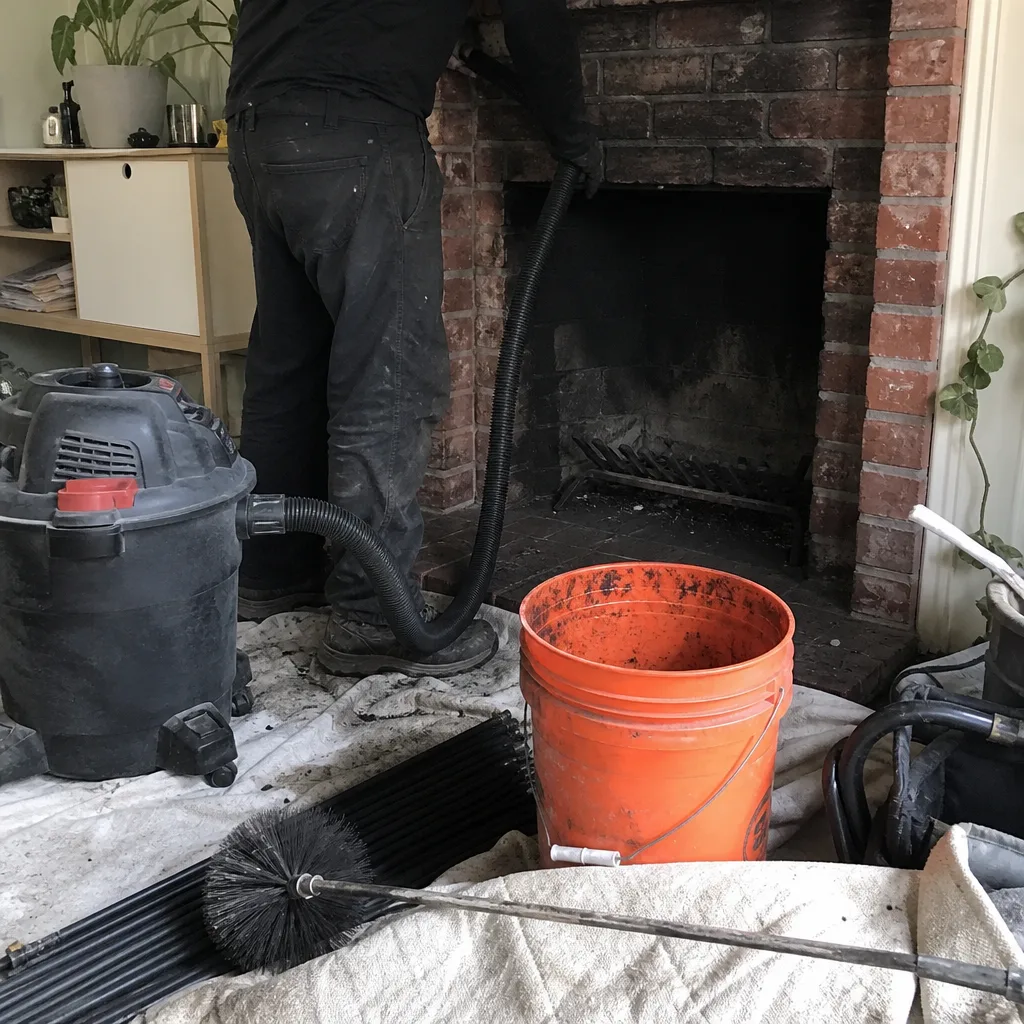 Before
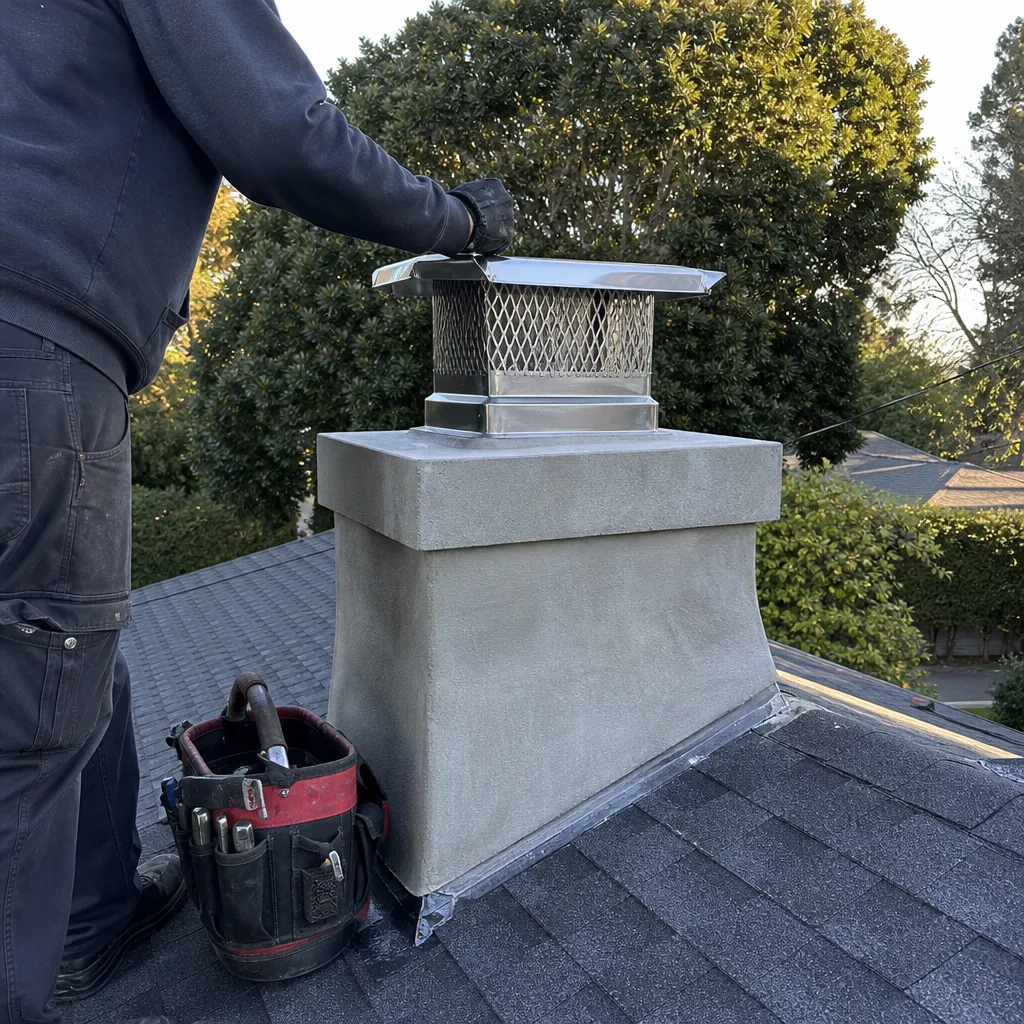 After
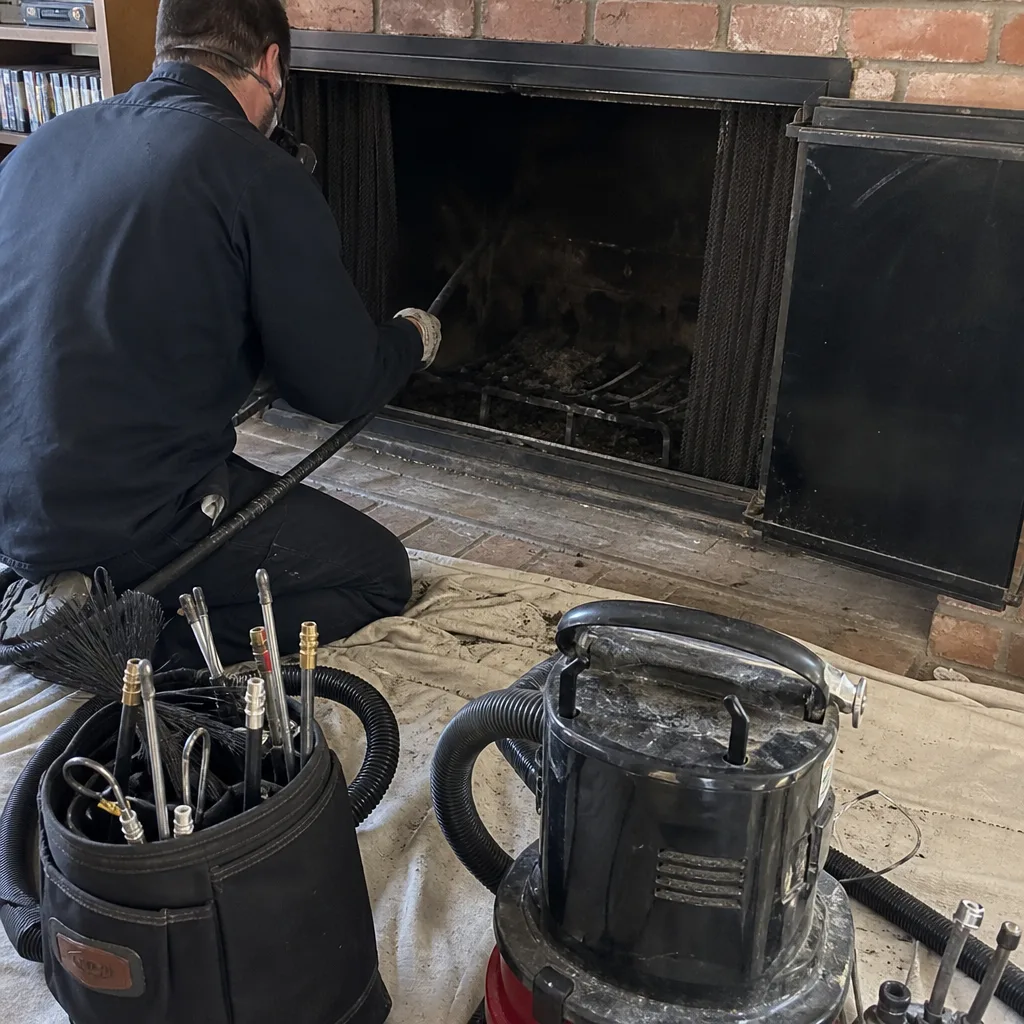 Before
 After
 Before
 After