
Last updated November 2, 2026
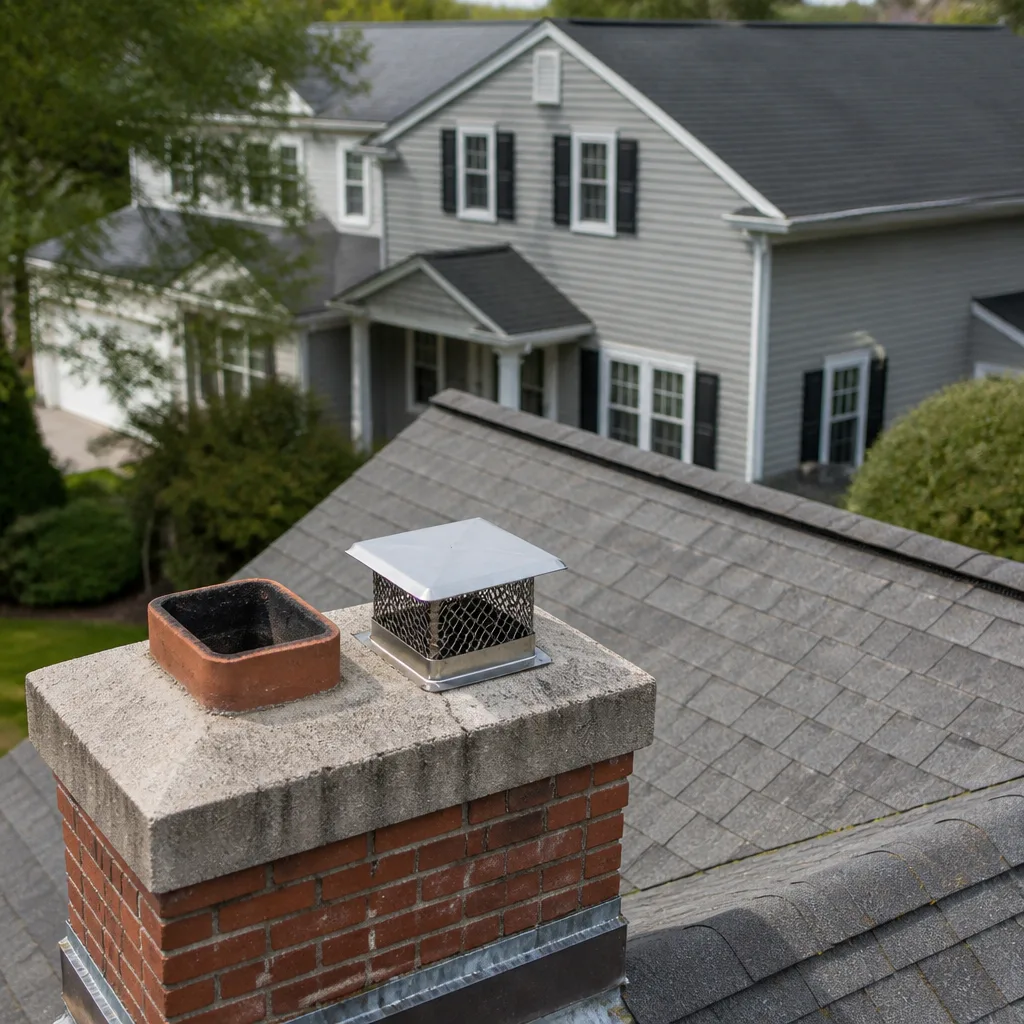 Sweep & inspection
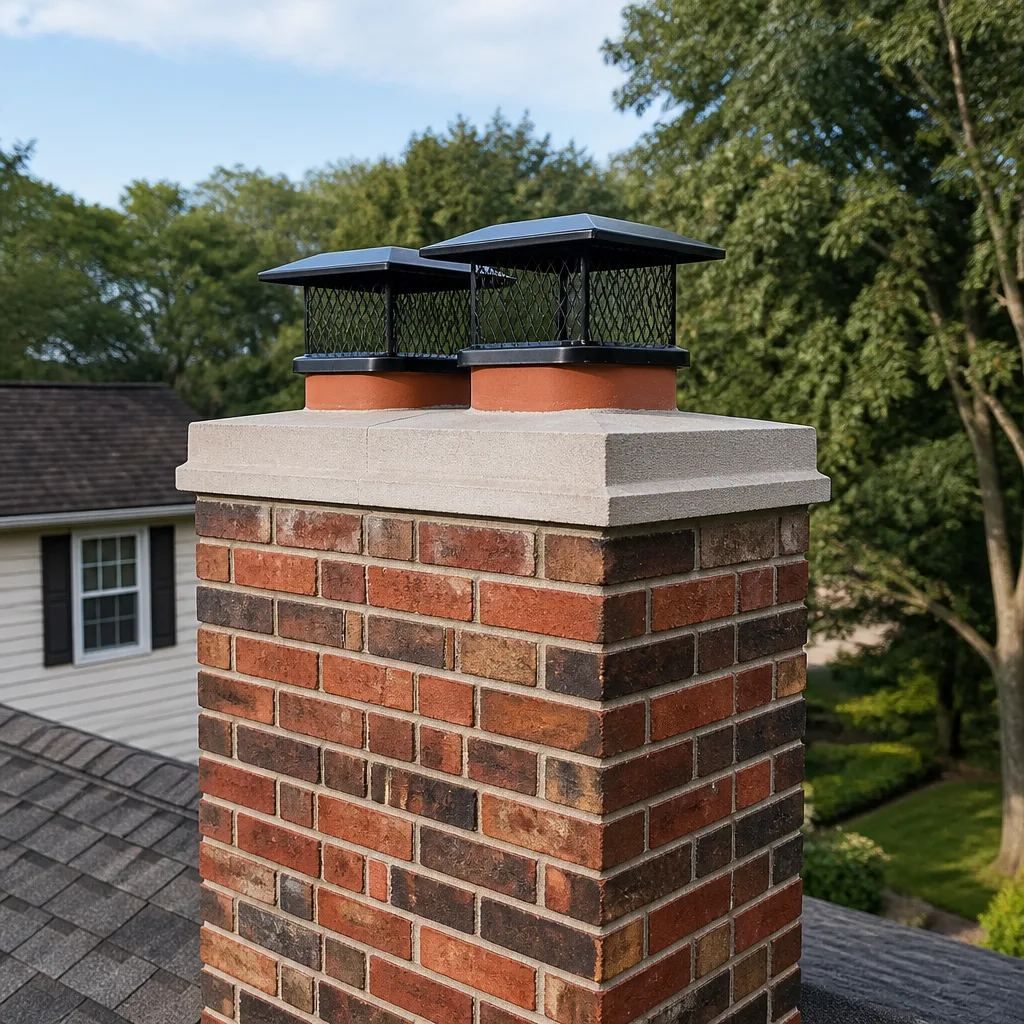 Caps & crowns
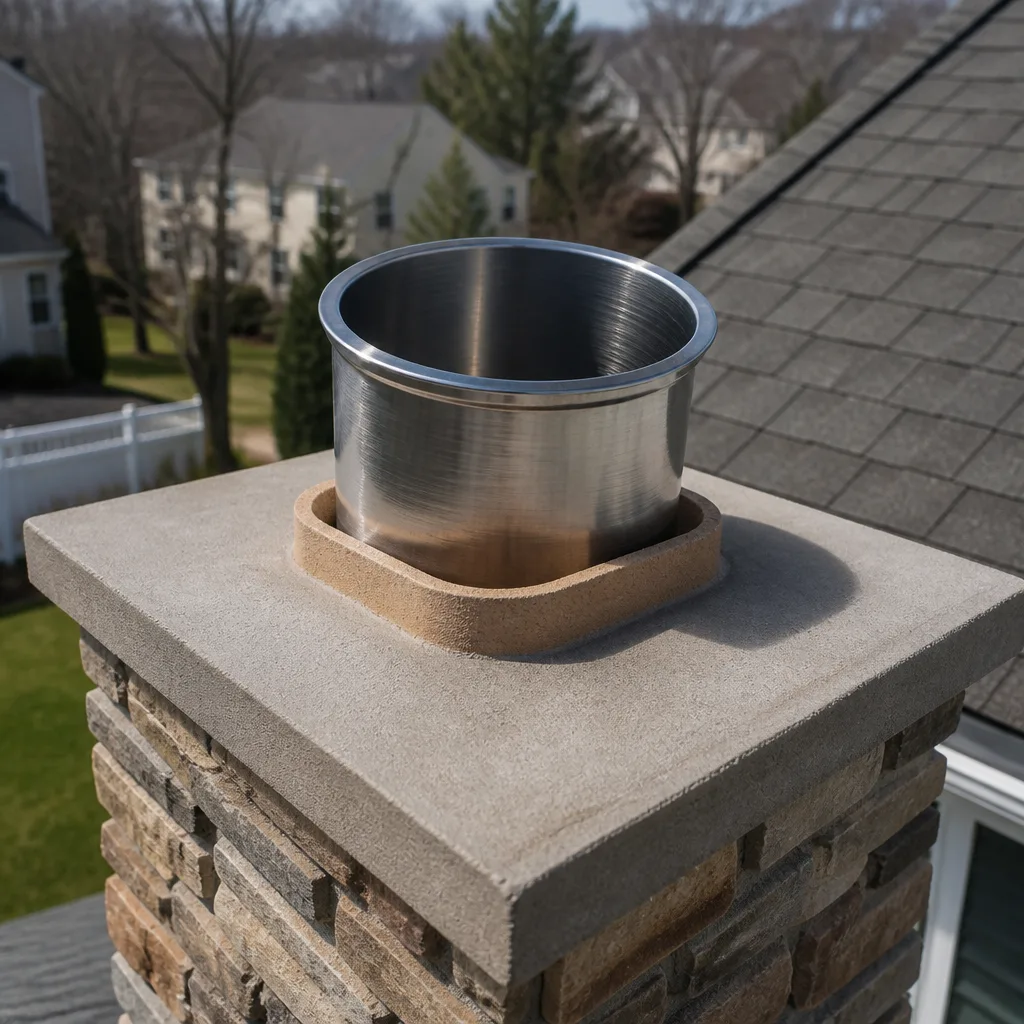 Flue relining
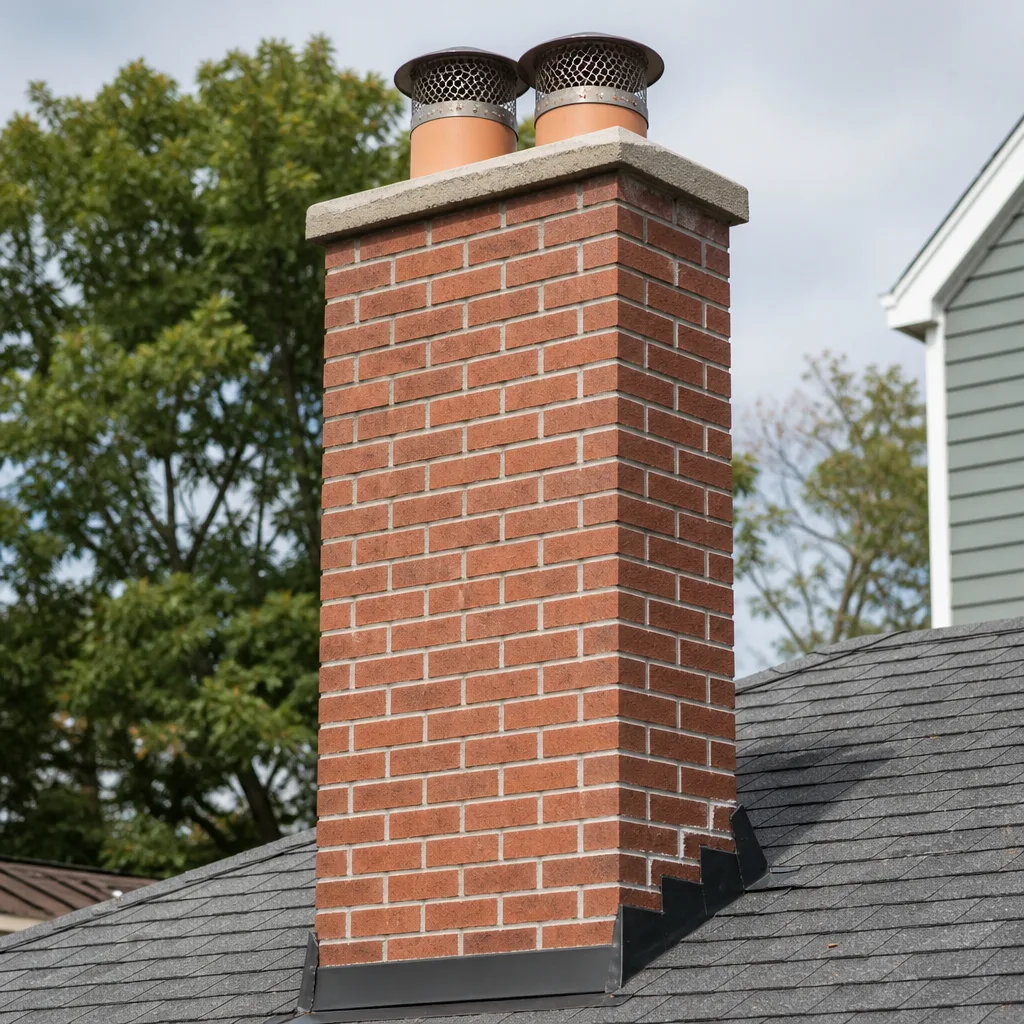 Masonry repair
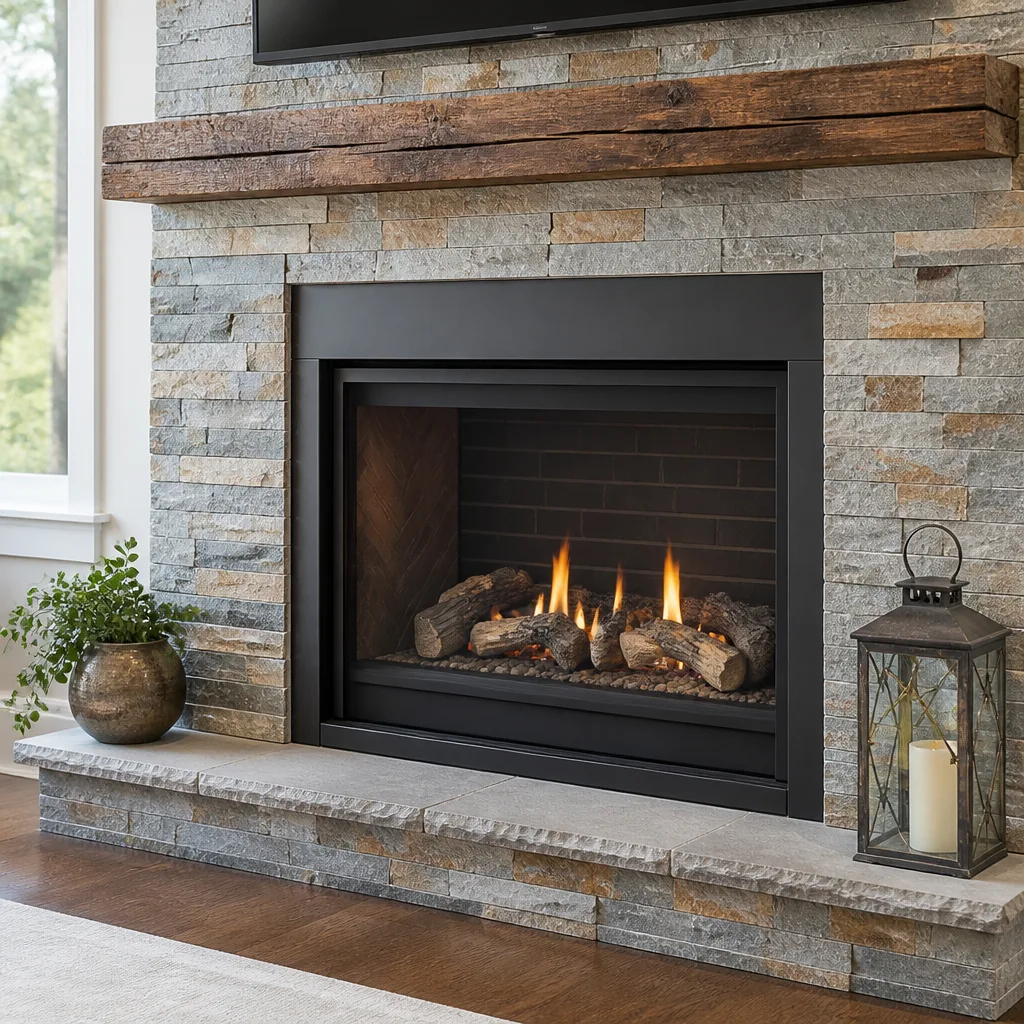 Gas fireplace service
Level 1 sweep and inspection to the NFPA 211 annual standard - flue, crown, cap, and flashing checked and photographed
Chimney sweep logs do not sweep chimneys. They loosen some creosote - which then falls where a brush and vacuum still have to collect it.
DIY vs Professional Chimney Cleaning: The Central-Alameda Homeowner’s Decision Guide
Here’s something most DIY guides won’t tell you: the brushes are the easy part. You can buy the same rotary cleaning brushes a professional uses on Amazon for under $80. What you can’t buy is the ability to recognize that the black flaking you’re brushing loose is Stage 3 creosote that needs HeatShield resurfacing, not more scrubbing. Central-Alameda’s housing stock skews older than most Bay Area neighborhoods, and with pre-1980 masonry chimneys comes a higher baseline probability of hidden liner damage that changes the DIY calculus entirely. This guide walks through exactly where the line sits between what a homeowner can reasonably tackle and what needs a trained set of eyes, a camera, and professional-grade materials – though you may also want to check our How to Hire a Chimney Cleaning Contractor in Central-Alameda: A Step-by-Step Guide if you decide to go the professional route.
Styles & brands we work with
- Sweep & inspection
- Caps & crowns
- Flue relining
- Masonry repair
- Gas fireplace service
Quick Answer
DIY chimney cleaning is only reasonable for light Stage 1 creosote in a chimney that’s been professionally inspected within the last 12 months and has no known structural issues. For anything beyond that in Central-Alameda, especially in pre-1980 homes with original clay tile liners, a professional sweep with a diagnostic camera is the safer call. The decision hinges on diagnosis, not scrubbing effort.
Table of Contents
- What DIY Cleaning Can Legitimately Accomplish
- What DIY Cleaning Cannot Do (And Where It Goes Wrong)
- Equipment Reality Check: What the Pros Use vs. What You’d Buy
- Why Central-Alameda’s Older Housing Stock Changes the Math
- The Insurance and Liability Angle
- A Realistic Step-by-Step Look at DIY Sweeping
- How Central-Alameda’s Climate Affects Creosote Build-Up
- Common Mistakes to Avoid
- When to Call a Professional
- Frequently Asked Questions
- The Bottom Line
What DIY Cleaning Can Legitimately Accomplish
Let’s be honest about what a homeowner with a hardware store brush kit can actually do. If your chimney was professionally swept last season, your fires have been burning properly seasoned wood, and you’ve kept the damper open during burns, you’re probably looking at a light dusting of Stage 1 creosote: a flaky, sooty film that brushes off the flue walls without much resistance. In that narrow scenario, a DIY sweep is mostly harmless and mildly effective. The keyword is “mostly.”
Stage 1 creosote is essentially loose soot mixed with a small amount of tar. It has the consistency of coarse powder and comes off with a standard wire brush. A homeowner can remove visible build-up from the smoke chamber, damper assembly, and the first few feet of the flue if they have the right brushes, drop cloths, and a good shop vacuum with a HEPA filter. We’ve seen Central-Alameda homeowners do a genuinely fine job with this. The issue is never the cleaning quality when conditions are ideal. The issue is that most homeowners can’t verify conditions are ideal.
Here’s what DIY cleaning can reasonably accomplish:
- Removing loose, powdery soot from the firebox floor and walls
- Brushing light flaky creosote off visible flue surfaces within reach
- Cleaning the damper assembly and smoke shelf of surface debris
- Vacuuming fallen soot before it cakes into something harder to remove
- Identifying and clearing minor obstructions like small bird nests in the cap area
Note what’s missing from that list: anything involving glazed creosote, anything involving liner inspection, anything involving the upper third of the flue where most homeowners can’t safely reach, and anything involving the exterior crown or cap. That’s not an oversight. That’s the diagnostic threshold this guide is built around.
What DIY Cleaning Cannot Do (And Where It Goes Wrong)
The physical labor of sweeping a chimney is not the hard part. The hard part is knowing what you’re looking at when something doesn’t look right. And in our experience, most chimneys in Central-Alameda that haven’t been professionally serviced in three or more years don’t look right.
The critical failure point for DIY sweeping is recognizing stages of creosote. Stage 2 creosote is shiny, brittle flakes that resemble black cornflakes. It does not brush off easily. It needs more aggressive mechanical removal. Stage 3 creosote is glazed, tar-like, and adheres to the flue walls like hard candy. You cannot brush off Stage 3 creosote with anything sold at a hardware store. It requires chemical treatment followed by rotary removal, and in some cases, the underlying liner is already compromised enough that the real fix is a restoration system like HeatShield. A homeowner who sees black flaking and scrubs harder is just cleaning around the actual problem.
Here’s what DIY cleaning cannot reliably diagnose or address:
- Clay tile liner cracks: Hairline fractures in terra cotta liners are invisible from the firebox. You need a camera.
- Deteriorated mortar joints: Gaps between flue tiles allow heat and gases into the chimney cavity. This is a fire hazard no brush addresses.
- Glazed creosote deposits: Stage 3 creosote is highly flammable and chemically stubborn. It needs professional treatment.
- Smoke chamber damage: The corbeled area above the damper is a common weak point in older Central-Alameda chimneys. It’s also hard to reach without the right equipment.
- Flue liner misalignment: Earthquake settlement and thermal cycling shift tiles over time. Misaligned tiles catch creosote and create hotspots.
- Cracked flue caps or crowns: Water intrusion from a compromised crown starts damage that has nothing to do with creosote.
The counterintuitive truth: in a chimney with hidden liner damage, aggressive DIY brushing can make things worse. Brushing loose mortar joints accelerates deterioration. Running a brush over a cracked tile risks widening the fracture. And without a camera, you won’t know you did it.
Equipment Reality Check: What the Pros Use vs. What You’d Buy
Let’s put some numbers on the equipment question, because most DIY calculators only account for the $40 brush kit and ignore what actually makes a professional sweep effective. A professional Chimney Sweep in Central-Alameda arrives with equipment that most homeowners have never priced out.
Here’s the honest breakdown:
- Rotary cleaning system: A commercial-grade rotary whip system with interchangeable heads runs $400-$800 new. The $40 Amazon kit is a spin-off that works fine on Stage 1 soot and bounces off glazed creosote.
- HEPA vacuum: A true HEPA-filtered chimney vacuum starts around $500. A standard shop vacuum does not filter fine soot particles; it redistributes them through your living room.
- Inspection camera: A liner-grade camera with articulation and proper lighting is $1,500-$3,000. This is the piece of equipment that separates a sweep from a diagnosis. Professionals rent or buy them because you cannot evaluate a chimney you cannot see.
- Drop protection and containment: Professional chimney work uses full containment setups that cost $200-$400 in materials alone. Most DIY jobs are done with a $20 tarp and a lot of hope.
- PPE: Proper respirators rated for creosote dust, eye protection, and flame-resistant work clothing add another $150-$300.
The $40-$150 a homeowner spends on a DIY kit buys access to the easiest 30% of the job. The remaining 70%, the diagnostic part, requires equipment and training that doesn’t make economic sense for a one-off homeowner purchase. That’s before we talk about the materials professionals stock for the repairs they find. We carry DuraFlex, Copperfield, and Famco components on the truck because when a sweep reveals a liner problem in a Central-Alameda chimney, the homeowner usually wants it fixed that week, not after a parts order shows up in three weeks.
Why Central-Alameda’s Older Housing Stock Changes the Math
Central-Alameda is not a neighborhood of new construction. A significant portion of the housing stock predates 1980, which means masonry chimneys with original clay tile liners, unlined brick flues in some pre-1940 homes, and mortar joints that have been through decades of thermal cycling and the occasional seismic event. The baseline probability that a Central-Alameda chimney has hidden damage is objectively higher than in newer East Bay subdivisions. That’s not alarmism; it’s actuarial reality for any structure built before modern flue liner standards became common practice.
Older chimneys in Central-Alameda neighborhoods, particularly the bungalows and Victorians around the Park Street corridor and the tree-lined streets between Encinal and Central Avenues, often have one or more of these conditions:
- Original clay tile liners with hairline cracks from differential heating
- Deteriorated mortar at the tile joints, invisible without a camera
- Smoke chambers with corbelled brickwork that was never parged
- Unlined brick flues in pre-1940 homes, which are outright unsafe by modern fire codes
- Crowns that have spalled or cracked from decades of Bay Area rain and marine air
When you run a brush through a chimney with one of these hidden conditions, you’re not doing maintenance. You’re doing unlicensed demolition. And you won’t know until something fails. That’s why the diagnostic threshold matters more in Central-Alameda than it does in, say, a 2010-era Dublin tract home. In a newer chimney, the main question is creosote level. In a Central-Alameda chimney, the question is creosote level plus liner integrity plus mortar condition plus smoke chamber stability. Four variables, only one of which a brush addresses.
The Insurance and Liability Angle
Most homeowners never think about this until it’s too late: what does a chimney fire do to your coverage if you’ve been self-servicing the chimney? The short answer is that insurance companies are increasingly asking for proof of professional chimney maintenance when processing fire claims. A receipt from a professional sweep with a documented inspection is evidence that the homeowner took reasonable preventative measures. A DIY cleaning log is, in the eyes of most adjusters, not documented maintenance.
Here’s what a professional chimney cleaning in Central-Alameda provides for the insurance conversation:
- A dated service record from a commercial chimney company
- Documentation of the flue’s condition at the time of service
- Photo evidence from inspection cameras showing the liner state
- A professional opinion on whether the chimney was safe to operate
- A paper trail that establishes the homeowner acted on expert advice
A DIY cleaning provides none of that. If a chimney fire occurs and the adjuster discovers the chimney hadn’t been professionally inspected in years, the claim can face scrutiny or denial, especially if the fire originated in a flue that had visible structural issues a sweep would have caught. This is not theoretical. Chimney fires in older Alameda County homes with neglected flues are a regular occurrence in the burn season, and the insurance question is always the same: when was this last professionally serviced?
For homeowners with a wood-burning fireplace or wood stove in Central-Alameda that sees regular use from November through March, Chimney Repair in Central-Alameda from a professional sweep is a defensible maintenance expense, not an indulgence. Remove the professional service record and you’re carrying risk that no brush can reduce.
A Realistic Step-by-Step Look at DIY Sweeping
For the homeowner who’s read this far and still wants to attempt a light DIY cleaning in a recently inspected chimney, here’s what the job actually involves. This is not a recommendation; it’s a reality check. If any step here sounds like more than you bargained for, that’s useful information.
- Verify the chimney’s inspection history. If you don’t have a professional inspection report from the last 12 months showing no structural issues, do not start. This is the gate that filters out most unsafe DIY attempts.
- Assemble proper containment. You need plastic sheeting taped around the fireplace opening, a drop cloth extending at least six feet into the room, and the furniture moved well back. Creosote dust is hydrophobic and nearly impossible to remove from upholstery.
- Check the damper. Open it fully and use a flashlight to look up. If you see shiny black deposits that look like wet tar, stop. That’s glazed creosote. It needs chemical treatment and mechanical removal, not brushing.
- Run the brush from the top down if possible. Top-down cleaning is the professional standard. It requires roof access, a safety harness on sloped roofs, and a second person to manage the brush and vacuum coordination. Most homeowners skip this and clean bottom-up, which leaves the upper flue untouched.
- Use a HEPA vacuum, not a shop vac. Fine soot penetrates standard filters and goes airborne. If you can’t borrow or rent a HEPA unit, you’re creating a respiratory hazard in your own home.
- Clean the smoke chamber and smoke shelf. This is the most overlooked area. It requires a flexible brush and reaching into an awkward space above the damper. Debris accumulates here and becomes a fire risk.
- Inspect what you cleaned. Without a camera, you’re working blind. A flashlight from the firebox shows maybe three feet up. A standard flue is 15-25 feet. You’re validating the bottom 20% and hoping about the rest.
- Dispose of the creosote properly. It’s not regular household waste. It’s a fire hazard and a contaminant. Bag it in sealed containers and dispose of it at a hazardous waste facility.
If you made it through that list and thought, “That’s a lot of steps for something I can have done for the cost of a dinner out in Alameda,” you’re picking up what we’re putting down. The full-service alternative includes a camera inspection, a full report with photos, and professional treatment. Most Central-Alameda homeowners land there after one attempt.
How Central-Alameda’s Climate Affects Creosote Build-Up
Central-Alameda sits in the marine layer of the San Francisco Bay’s east shore, which means cool, damp winters and mild summers. The climate impacts chimney performance in ways that are specific to this geography, and they matter for the DIY conversation.
First, the humidity. Cool, moist air causes creosote to form more readily when wood smoke cools rapidly in the flue. A fireplace that burns in a Central-Alameda winter, where outside temperatures hover in the 40s and 50s and humidity is consistently high, produces more condensation in the flue than the same fireplace in a drier inland climate. That condensation binds with soot to form creosote faster. Homeowners in Central-Alameda who burn monthly through the winter often have more Stage 1 and Stage 2 creosote than they expect, even with properly seasoned wood.
Second, the marine air accelerates crown and cap deterioration. The crown is the concrete slab at the top of the chimney that sheds water. In Central-Alameda’s moist, salt-tinged air, crowns spall faster than in inland areas. A spalled crown lets water into the brick, which accelerates mortar deterioration, which creates the hidden structural issues that make professional inspection more important here than in drier climates. For context, a Dryer Vent Cleaning in Central-Alameda faces the same marine-layer challenges: moisture, lint-binding humidity, and older vent runs. We see it across both service lines.
Third, the damp-burn cycle. Central-Alameda homeowners who use their fireplaces intermittently between November and March, with long cold-soak periods between burns, create ideal conditions for glazing. Each fire heats the creosote, which partially liquifies, then the cool marine air re-hardens it. Repeated cycles transform soft soot into hardened Stage 3 glaze faster than in consistent-burn households. This is the single most common reason we find glazed creosote in Central-Alameda chimneys that were swept only two years prior.
Common Mistakes to Avoid
- Assuming a clean firebox means a clean flue. The firebox is the easiest part to clean and the least important for fire safety. Creosote accumulates in the flue and smoke chamber, which you cannot see from the hearth. A clean firebox tells you nothing about the 20 feet above it.
- Using the $40 brush kit on a pre-1980 chimney with an unknown inspection history. In Central-Alameda, that’s most chimneys. Without a prior professional inspection confirming liner integrity, brushing risks damaging tiles and mortar you didn’t know were compromised.
- Burning newspaper to “clean” the chimney. The old-school newspaper-cleaning myth does nothing but create airborne embers and fire risk. It does not remove creosote. It occasionally ignites it.
- Trusting creosote-cleaning logs as a substitute for sweeping. Chemical cleaners soften Stage 1 creosote and make professional removal easier. They do not remove creosote. If you burn them and skip the sweep, you’ve just softened a flammability problem you now can’t see.
- Running a brush up a flue with a known bird nest or animal debris without proper equipment. Animal nests are a fire hazard and removal requires proper respiratory protection. Histoplasmosis from bat guano is a real risk in older Central-Alameda chimneys.
- Waiting until fall to address a known chimney issue. Central-Alameda’s sweep companies book out weeks ahead of burn season. If you know last season ended with a dirty or questionable chimney, spring or summer is the time to schedule. The DIY rush in October is when unsafe shortcuts happen.
- Skipping the exterior inspection. The crown, cap, and flashing are outside, up a ladder, and forgotten by most DIYers. Water intrusion from a cracked crown causes more long-term damage in Alameda’s marine climate than any creosote build-up.
When to Call a Professional
Call a professional if any of these apply. If you own a pre-1980 home in Central-Alameda and don’t have a recent professional inspection report, start there. If you see shiny black deposits above the damper or smell a sharp, tar-like odor near the fireplace, that’s glazed creosote and it needs chemical treatment plus mechanical removal. If you’ve never had the chimney swept and suspect it hasn’t been serviced in years, the first visit should be a diagnostic sweep with a camera, not a DIY attempt. If you hear falling debris in the flue when it’s windy, see white staining on exterior brick, or notice the fireplace smoking more than it used to, there’s a structural or drafting issue a brush won’t address. Tidewater Chimney Sweep offers free estimates in Central-Alameda. Call (866) 282-7014 to schedule.
Frequently Asked Questions
A professional chimney sweep in Central-Alameda typically runs between $180 and $340 for a standard cleaning with a visual inspection, depending on chimney height, creosote level, and accessibility – our Chimney Cleaning Cost Breakdown: The Central-Alameda Homeowner’s Reference for 2026 explains what drives pricing in detail. In our experience, pre-1980 Central-Alameda chimneys with glaze or structural issues fall on the higher end, especially if HeatShield restoration or liner work is recommended. Call (866) 282-7014 for an exact quote. Estimates are free.
A DIY brush kit is only worth it if your chimney was professionally inspected within the last year, has no structural issues, and builds only light Stage 1 soot. If those conditions aren’t met, the brush can damage hidden liner cracks or miss glazed creosote entirely. Most Central-Alameda homeowners with older chimneys are better served by a professional sweep with a diagnostic camera.
Signs include a strong tar-like odor near the fireplace, visible black shiny deposits above the damper, smoke backing into the room, falling debris in the flue, and reduced draft. Any of these in a Central-Alameda home warrants a professional inspection before another fire is lit. If you’re unsure, call (866) 282-7014 and describe what you’re seeing. We’ll tell you straight whether it needs a visit.
Chimney fires are best prevented by removing creosote before it reaches ignition threshold, and by identifying liner damage before it becomes a passageway for fire to reach framing. DIY cleaning addresses the first only if the creosote is Stage 1 and the chimney is structurally sound. In older Central-Alameda chimneys with hidden liner issues, professional inspection is the only reliable prevention.
A wood-burning fireplace in Central-Alameda used regularly through the winter should be swept annually, at minimum. The marine layer’s humidity accelerates creosote formation, so what works in a drier climate may leave a Central-Alameda chimney under-maintained. If you burn more than three cords a year or notice visible soot build-up, sweep more often.
Yes. Our sweeps in Central-Alameda include a diagnostic inspection, and when conditions warrant, we run a camera to document liner condition, mortar joints, and smoke chamber integrity. You see the photos. Nothing is recommended without evidence you can look at yourself. For more detail, see our Tidewater Chimney Sweep home page or call (866) 282-7014.
The Bottom Line
The DIY vs professional chimney cleaning decision in Central-Alameda is not about whether you can operate a brush. It’s about whether you can see what you’re cleaning, and in most pre-1980 Central-Alameda chimneys, you can’t without a camera and trained eyes. Light Stage 1 soot in a recently inspected, structurally sound chimney is a reasonable DIY job. Anything beyond that, which is most of the housing stock here, is a diagnostic task first and a cleaning task second. The equipment that makes professional cleaning effective is not the brush; it’s the camera, the HEPA vacuum, and the repair materials on the truck for what the camera finds. If you have an older chimney or an unknown history, the smarter first step is an inspection, not a hardware store kit, and you can explore more guides & resources on our blog to plan your next steps. Call (866) 282-7014 for a free estimate in Central-Alameda.
Written by the team at Tidewater Chimney Sweep, serving Central-Alameda since 2012.
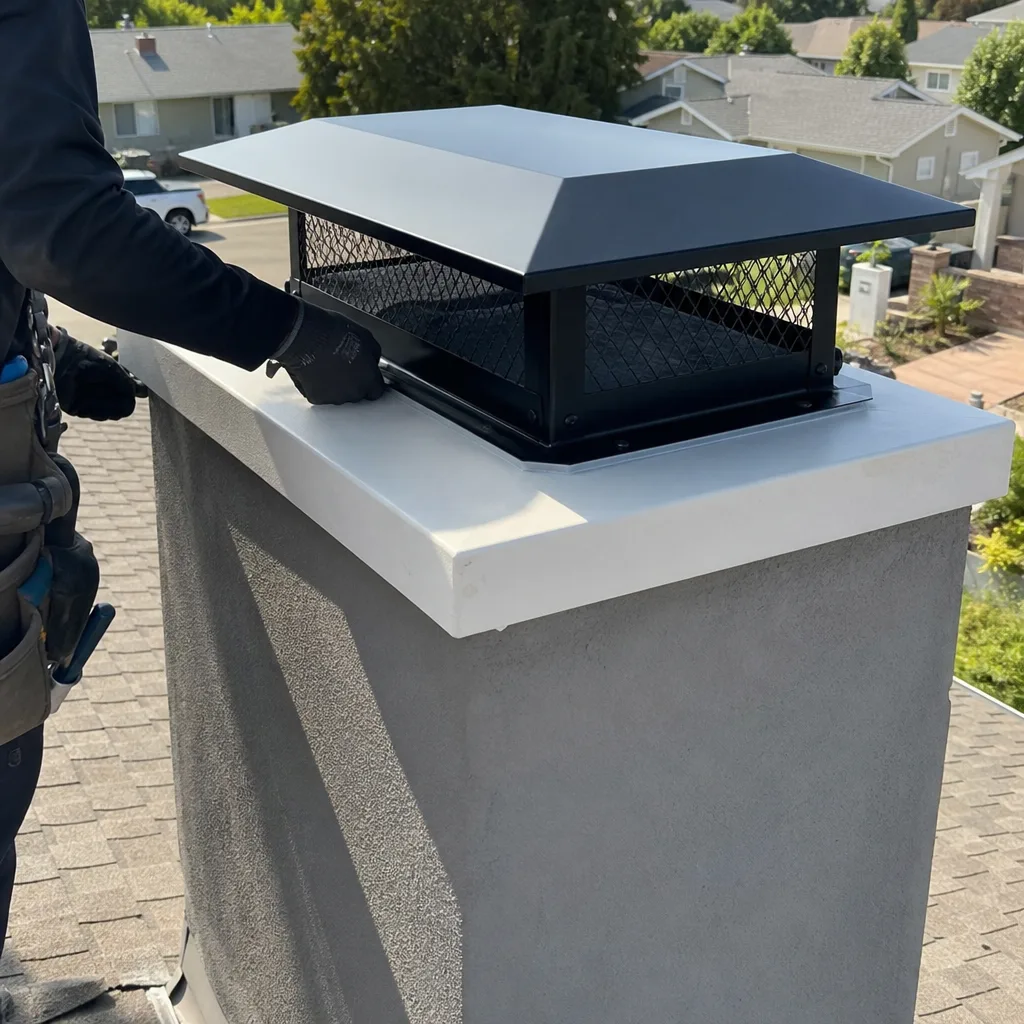
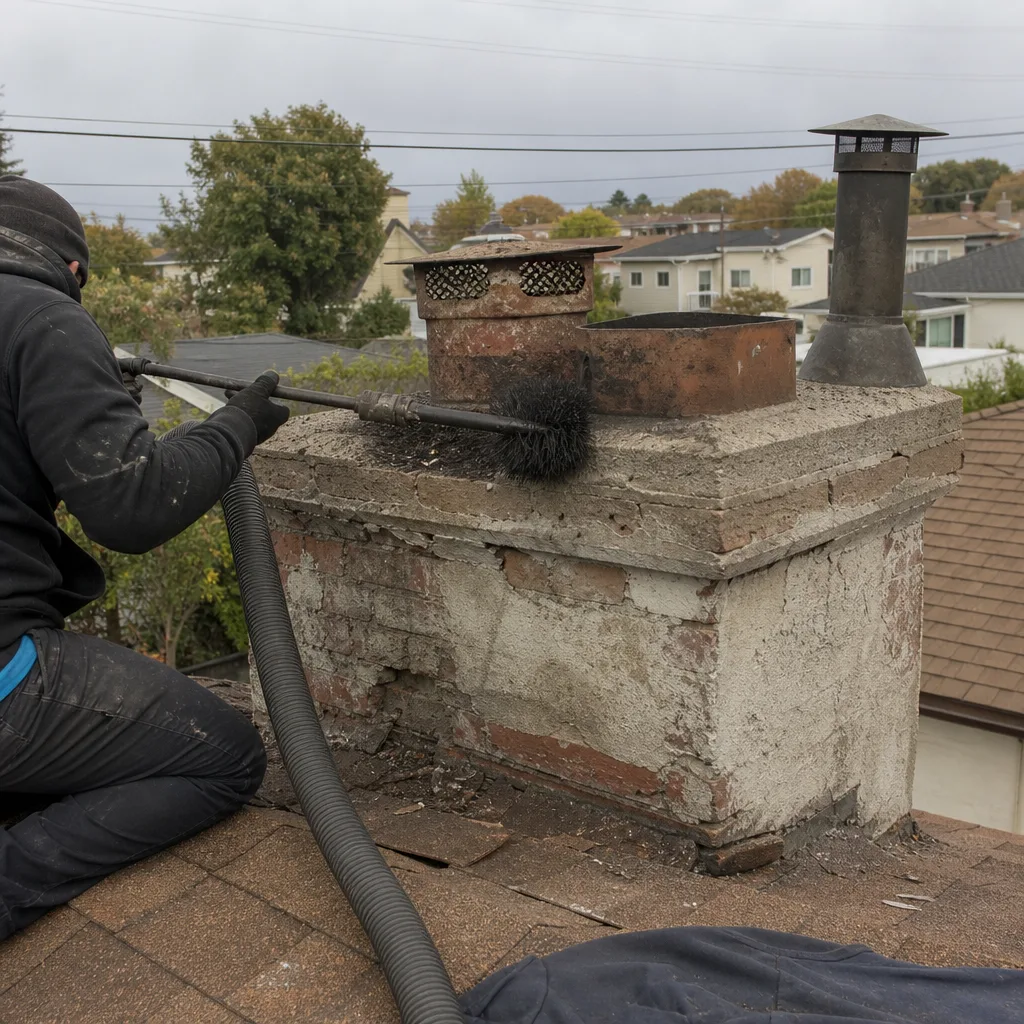
See the difference
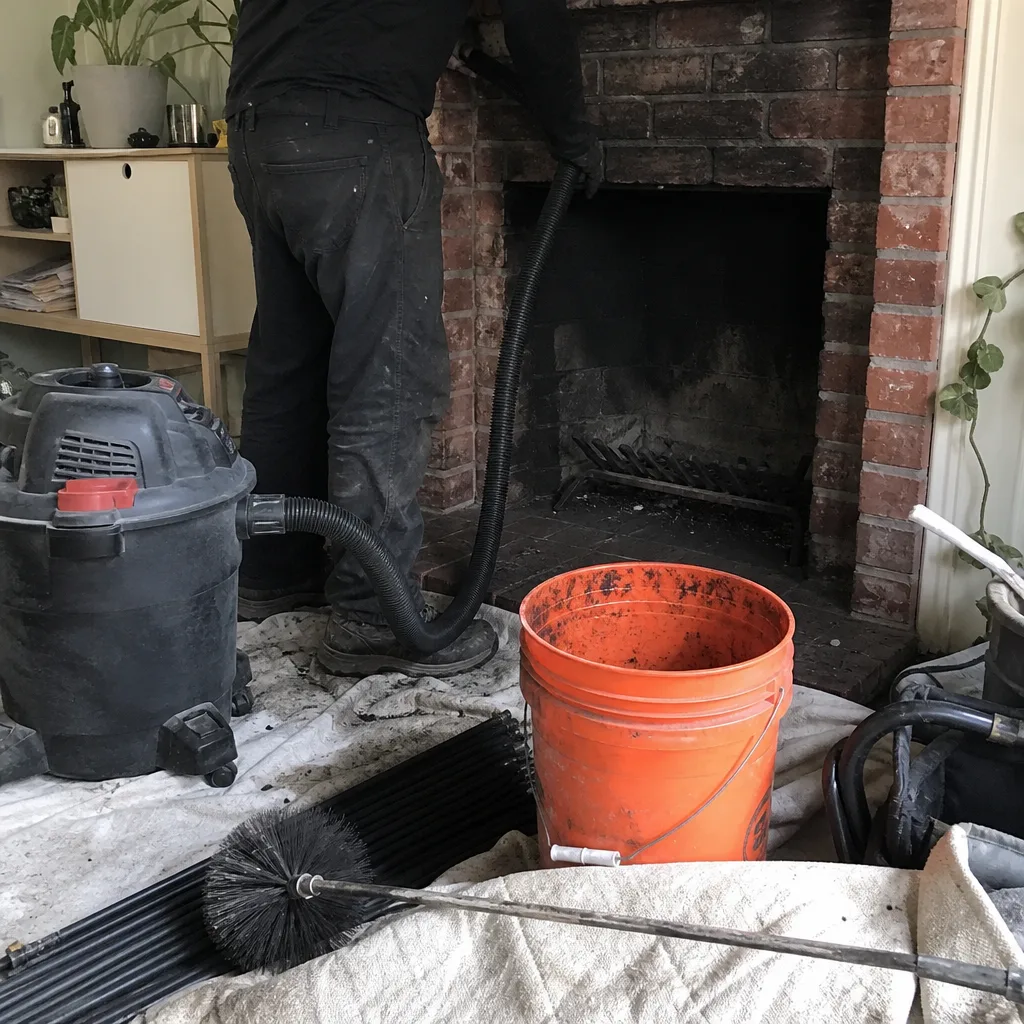 Before
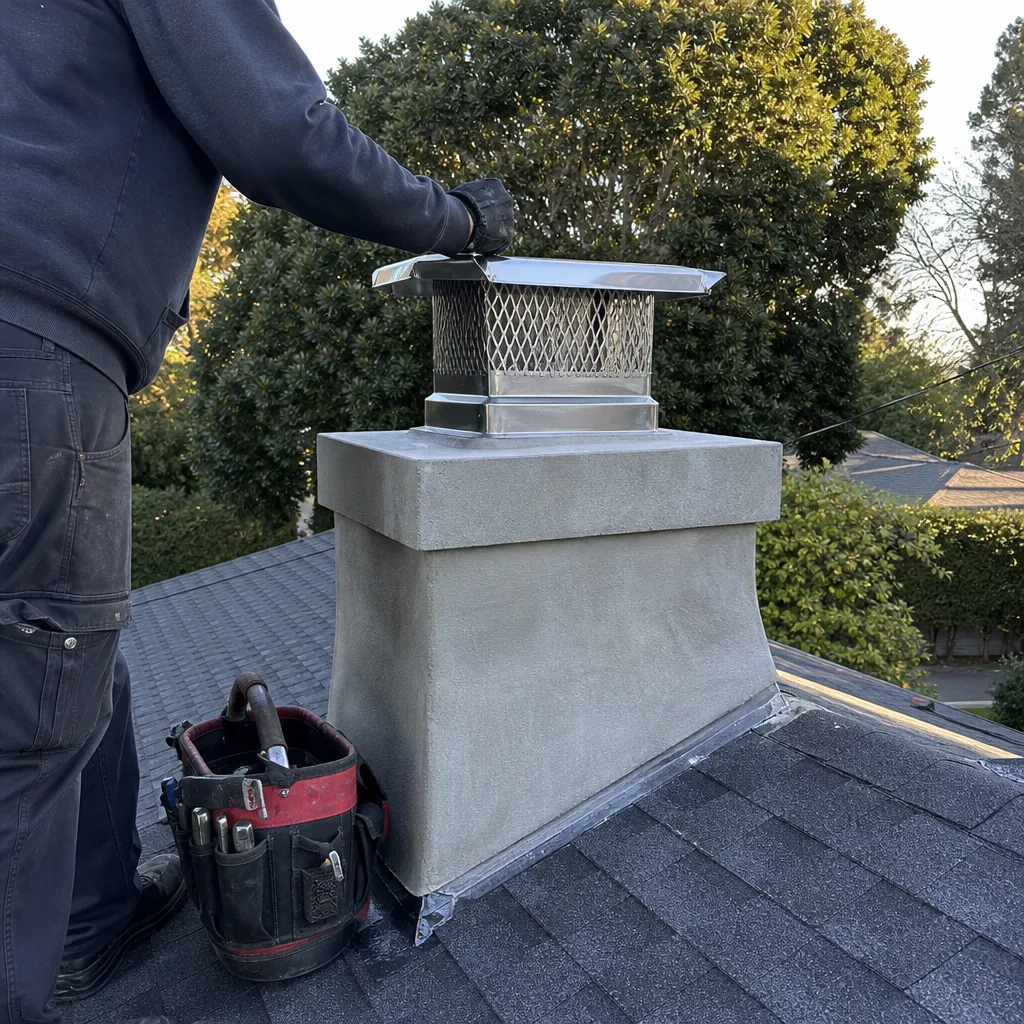 After
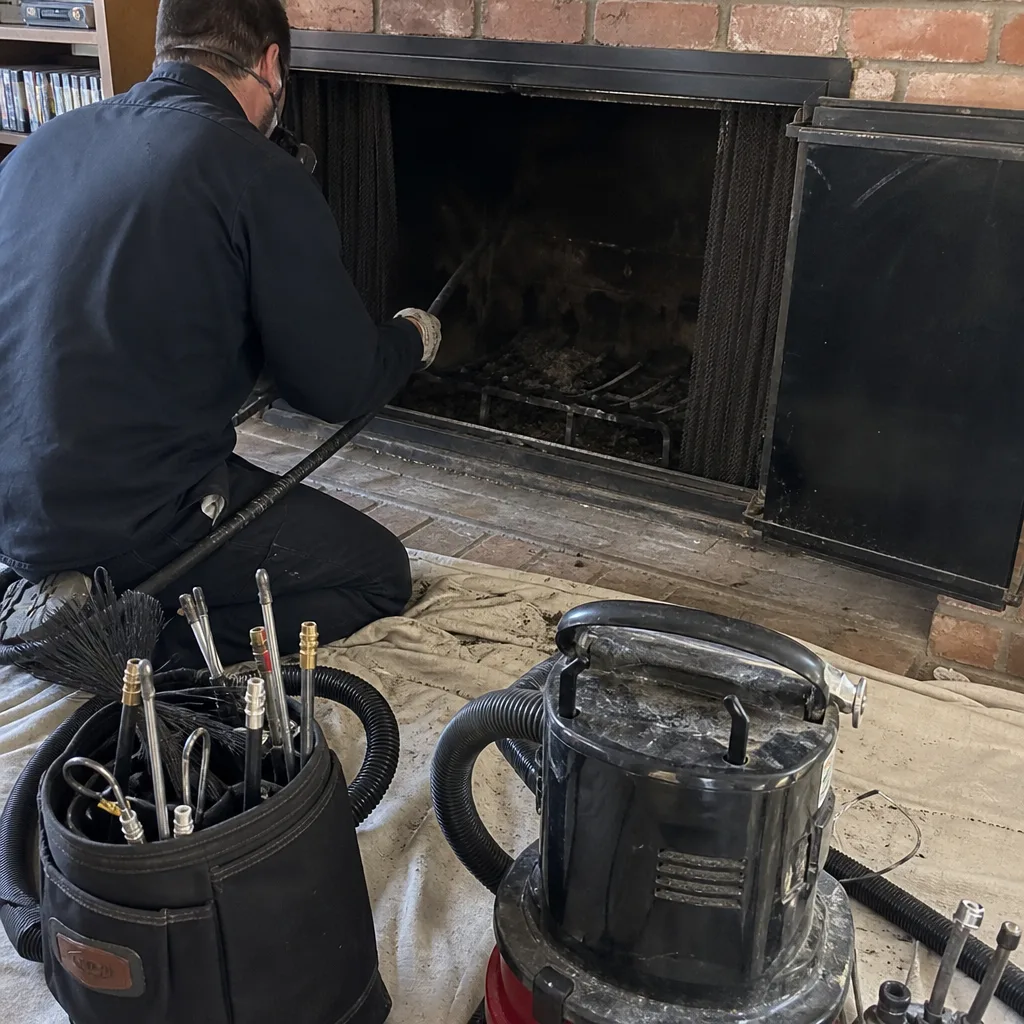 Before
 After
 Before
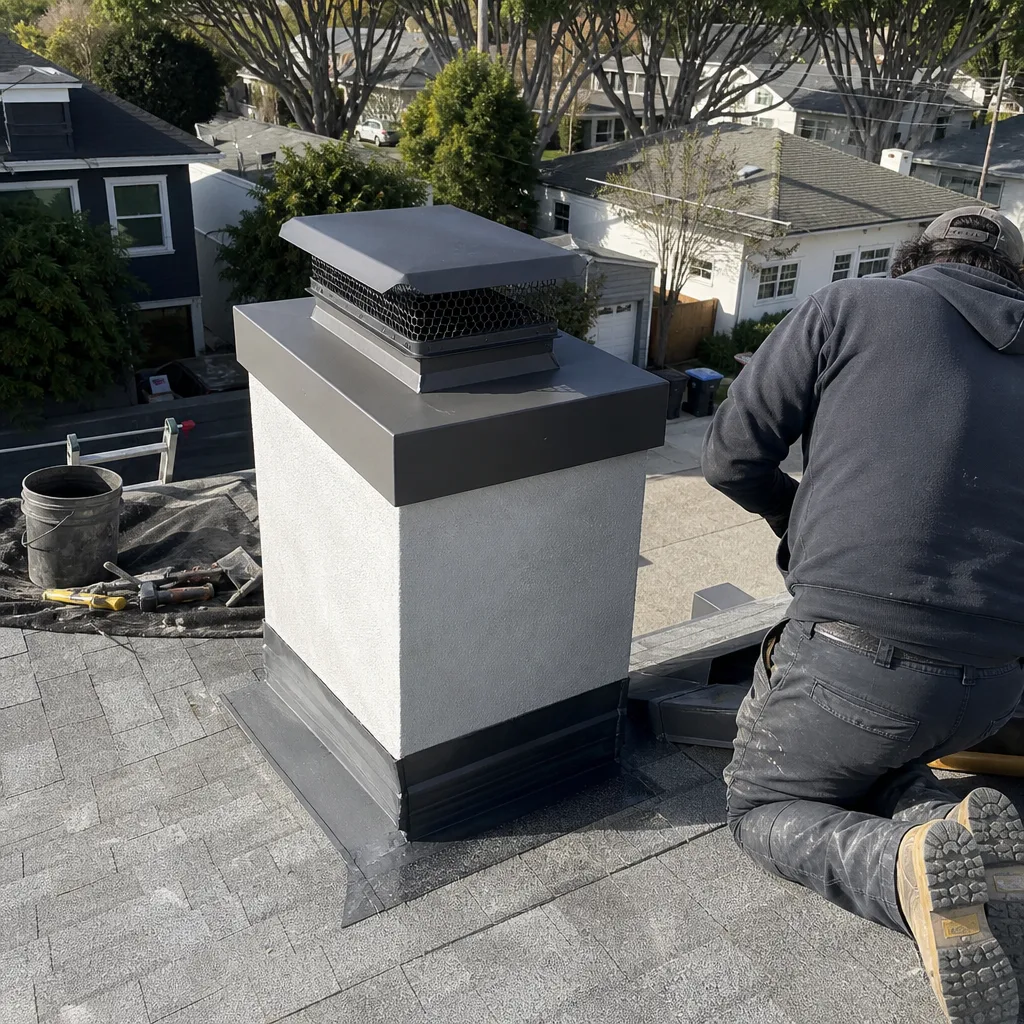 After