
Last updated November 2, 2026
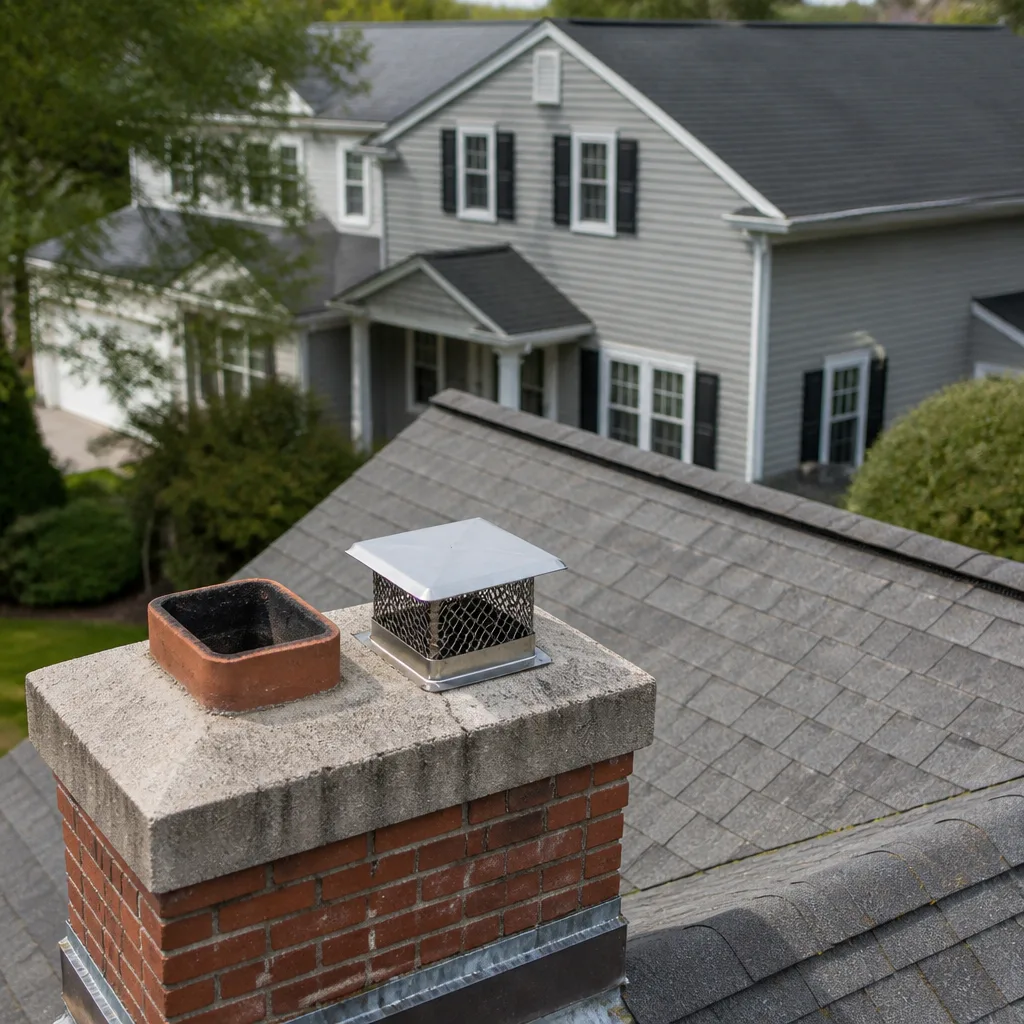 Sweep & inspection
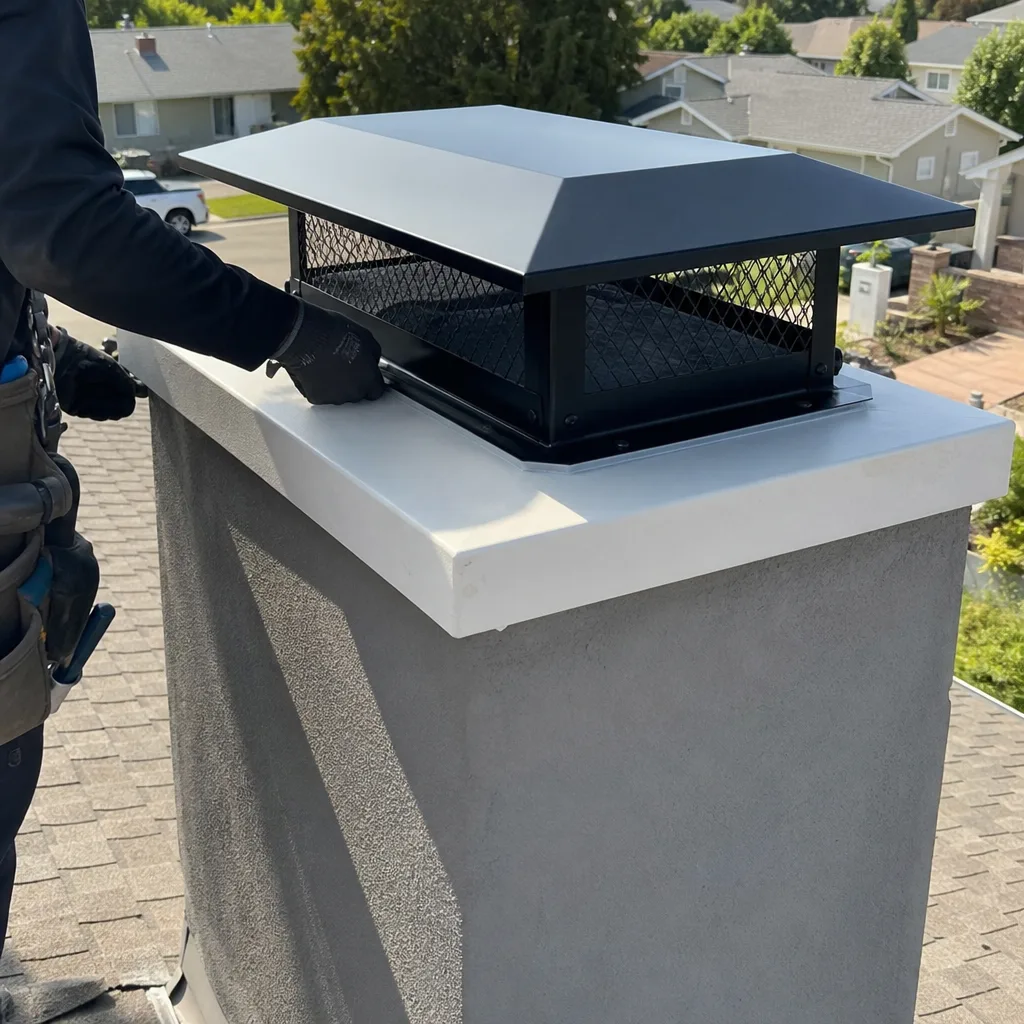
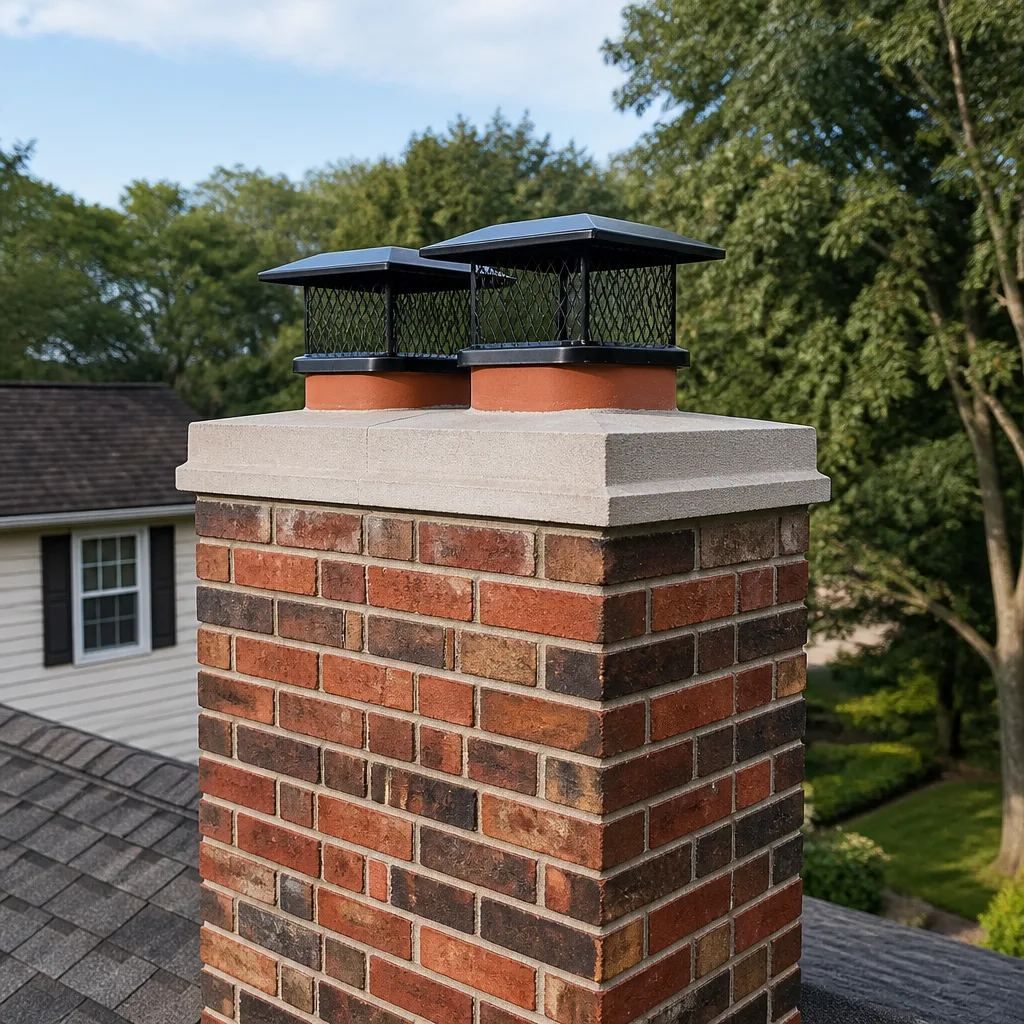 Caps & crowns
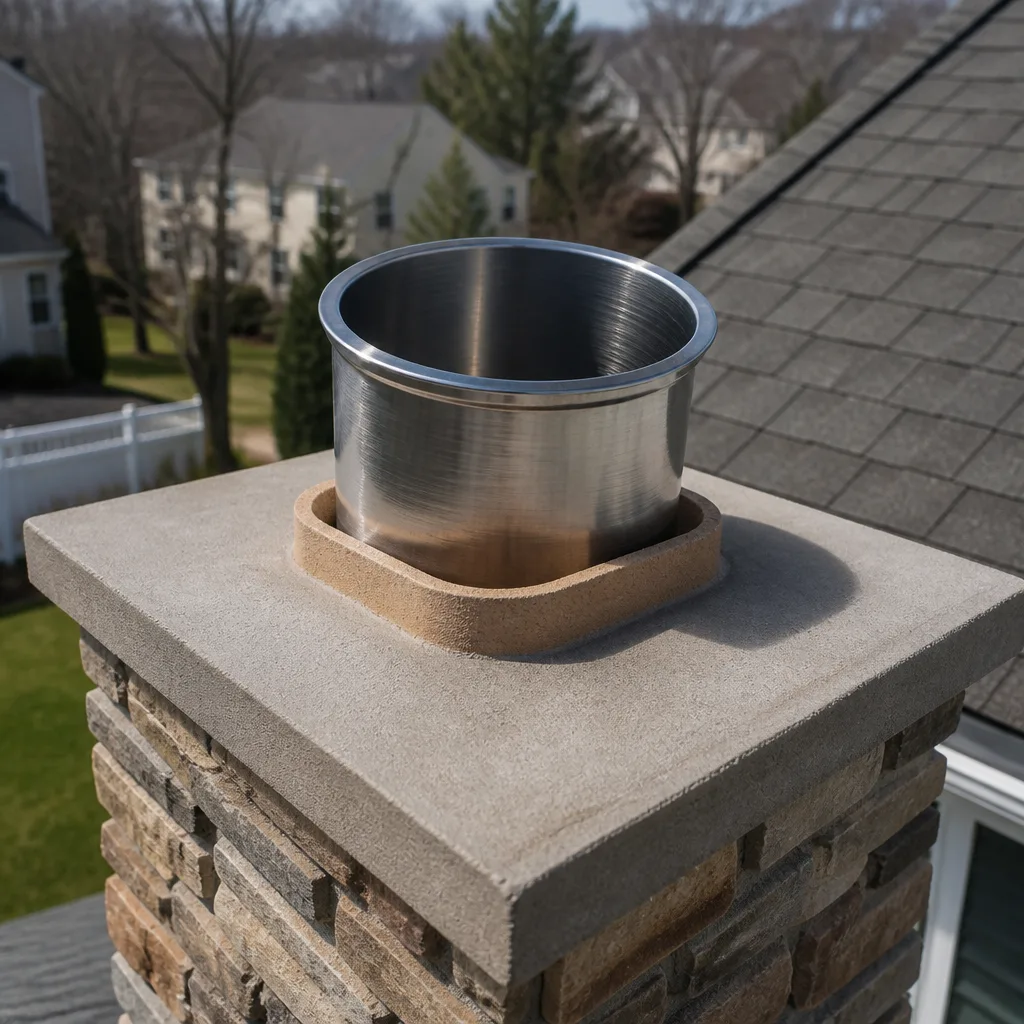 Flue relining
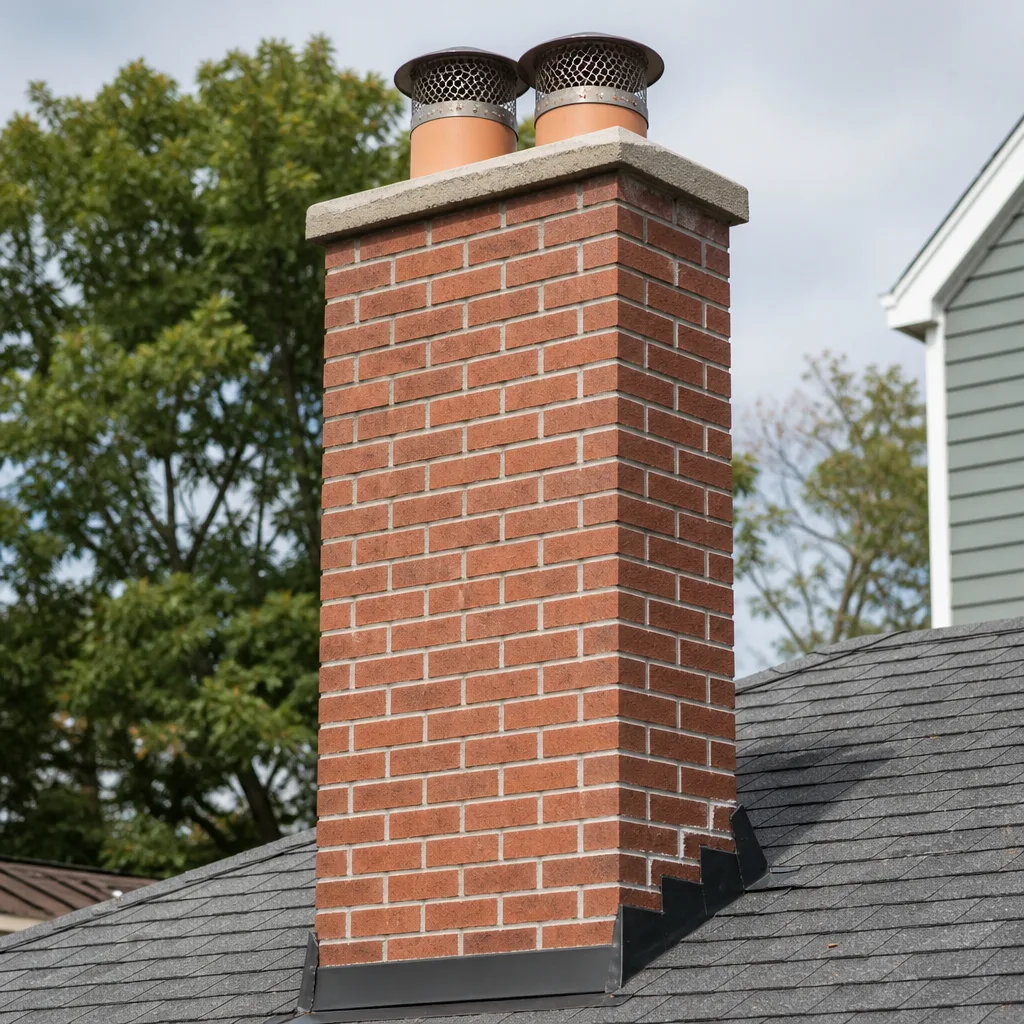 Masonry repair
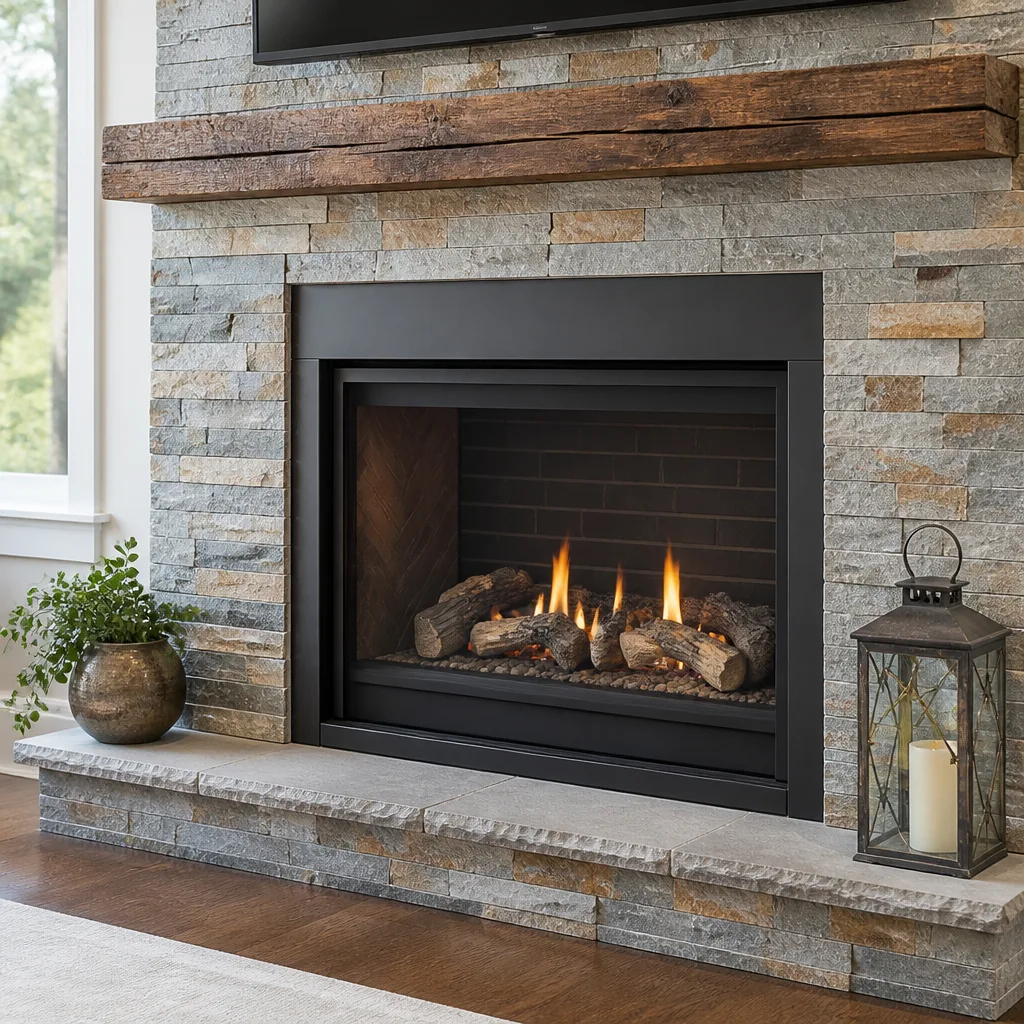 Gas fireplace service
Level 1 sweep and inspection to the NFPA 211 annual standard - flue, crown, cap, and flashing checked and photographed
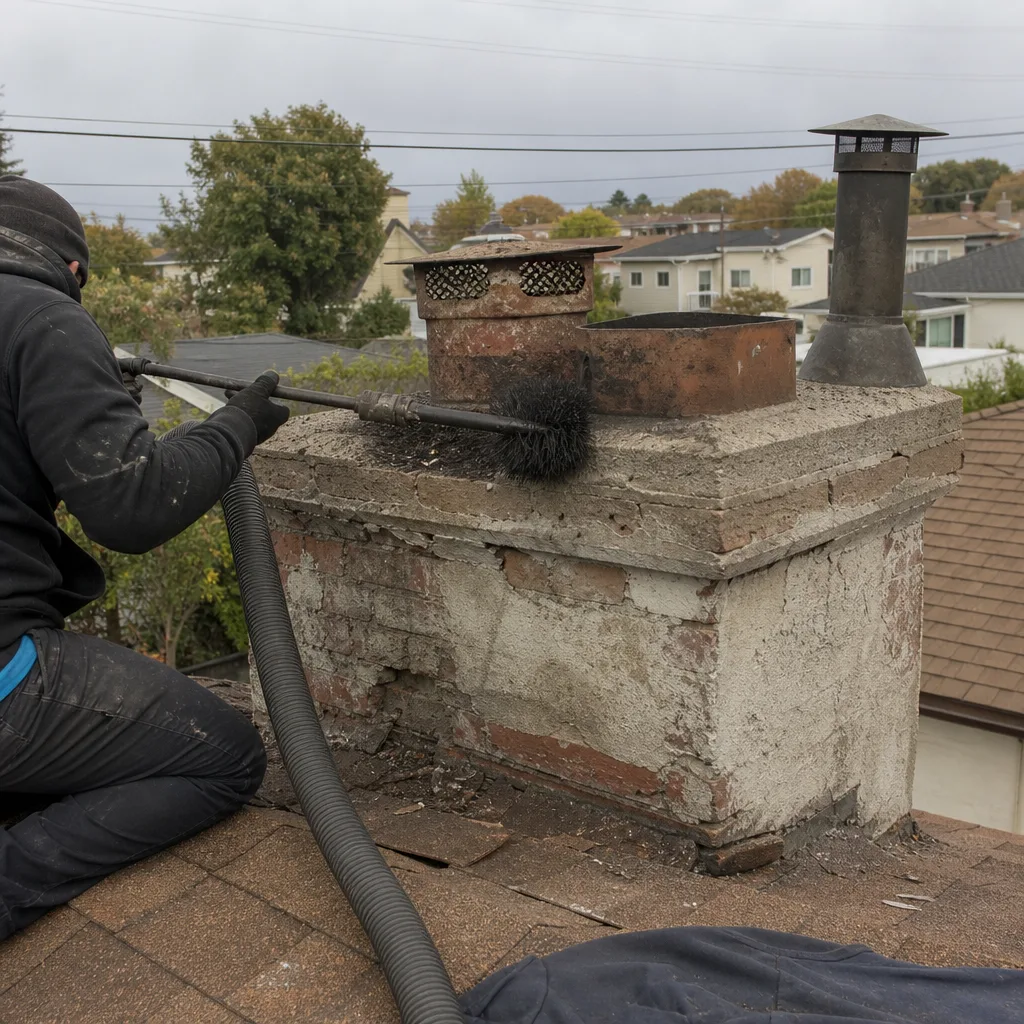
Chimney sweep logs do not sweep chimneys. They loosen some creosote - which then falls where a brush and vacuum still have to collect it.
Seasonal Chimney Cleaning Care for Central-Alameda: Year-Round Homeowner’s Guide
Here’s something most chimney guides won’t tell you: a fireplace that burns twenty times a winter in Central-Alameda often develops more corrosive creosote per burn than one used every single night in Minnesota. It sounds backwards, but it’s true. When fires are infrequent and the coastal air stays damp, each burn heats the flue, condenses moisture against cool masonry, and leaves behind an acidic residue that sits for weeks before the next fire. This guide explains why Central-Alameda’s mild, marine-influenced climate demands a seasonal chimney plan that looks nothing like the standard “clean it in September, forget it until spring” advice written for colder regions. You’ll learn what to check each season, when sweeping actually matters, and how to schedule maintenance so a small issue never becomes a liner replacement.
Styles & brands we work with
- Sweep & inspection
- Caps & crowns
- Flue relining
- Masonry repair
- Gas fireplace service
Quick Answer
In Central-Alameda, chimney maintenance works best on a two-visit annual schedule: a spring inspection after winter rains to catch moisture damage and mortar deterioration, and a fall sweep before the burn season to remove creosote, check the damper, and verify draft. Because our climate produces acidic, moisture-heavy creosote even with light fireplace use, skipping a year allows corrosion to attack mortar joints and flue liners faster than in drier inland regions.
Table of Contents
- Why Central-Alameda’s Climate Breaks the Standard Chimney Calendar
- Spring Protocol: What to Check After the Rains, Even If You Barely Burned
- Summer Idle Maintenance: The Season Most Homeowners Ignore
- Fall Pre-Season Protocol: Beyond the Basic Sweep
- Building a Two-Visit Annual Schedule That Actually Fits Central-Alameda
- Why Infrequent Burning Creates More Corrosive Creosote
- Moisture, Salt Air, and Masonry: The Slow Damage You Can’t See
- Common Mistakes to Avoid
- When to Call a Professional
- Frequently Asked Questions
- The Bottom Line
Why Central-Alameda’s Climate Breaks the Standard Chimney Calendar
Most chimney maintenance advice comes from regions with real winters. In New England or the upper Midwest, a fireplace that burns daily from November through March produces a predictable creosote layer, and every owner knows to schedule a sweep in late summer. Central-Alameda doesn’t work that way. We have a cool Mediterranean climate with marine layer influence from San Francisco Bay: damp mornings, dry afternoons, temperatures that hover between 50 and 70 degrees for most of the year, and a burn season that stretches from October through April without ever demanding constant use.
Homeowners here tend to light a fire on twenty or thirty scattered evenings, not ninety consecutive ones. That sporadic pattern means the flue never stays hot long enough to burn off light creosote deposits. Each fire condenses moisture inside the chimney, the moisture mixes with soot, and the resulting residue sits untouched for days or weeks. The next fire adds another layer. Over two or three seasons, that residue transforms into a hard, shiny glaze that adheres stubbornly to flue walls and eats into mortar. A fireplace in Central-Alameda that saw only fifteen burns last winter can still need a sweep as urgently as one in Vermont that saw a hundred.
Spring Protocol: What to Check After the Rains, Even If You Barely Burned
Spring is the most overlooked chimney season in Central-Alameda. Winter rains have soaked the masonry, the last fires of March or April have left the flue coated, and the chimney now sits in warming air that accelerates any chemical reaction already underway. Here’s what to do between April and June, in order:
- Inspect the exterior brick and mortar from the ground. Look for white chalky stains (efflorescence), crumbling mortar joints, or cracked bricks. These signal water intrusion. Central-Alameda’s winter rains are not torrential, but they’re persistent, and repeated wetting and drying cycles stress masonry over time.
- Check the chimney cap and spark arrestor. Winter winds off the Bay push debris against chimney tops. A damaged or missing cap means birds, squirrels, and rain have had access all season. If you can see rust or bent mesh from the ground, that cap needs attention before summer nesting begins.
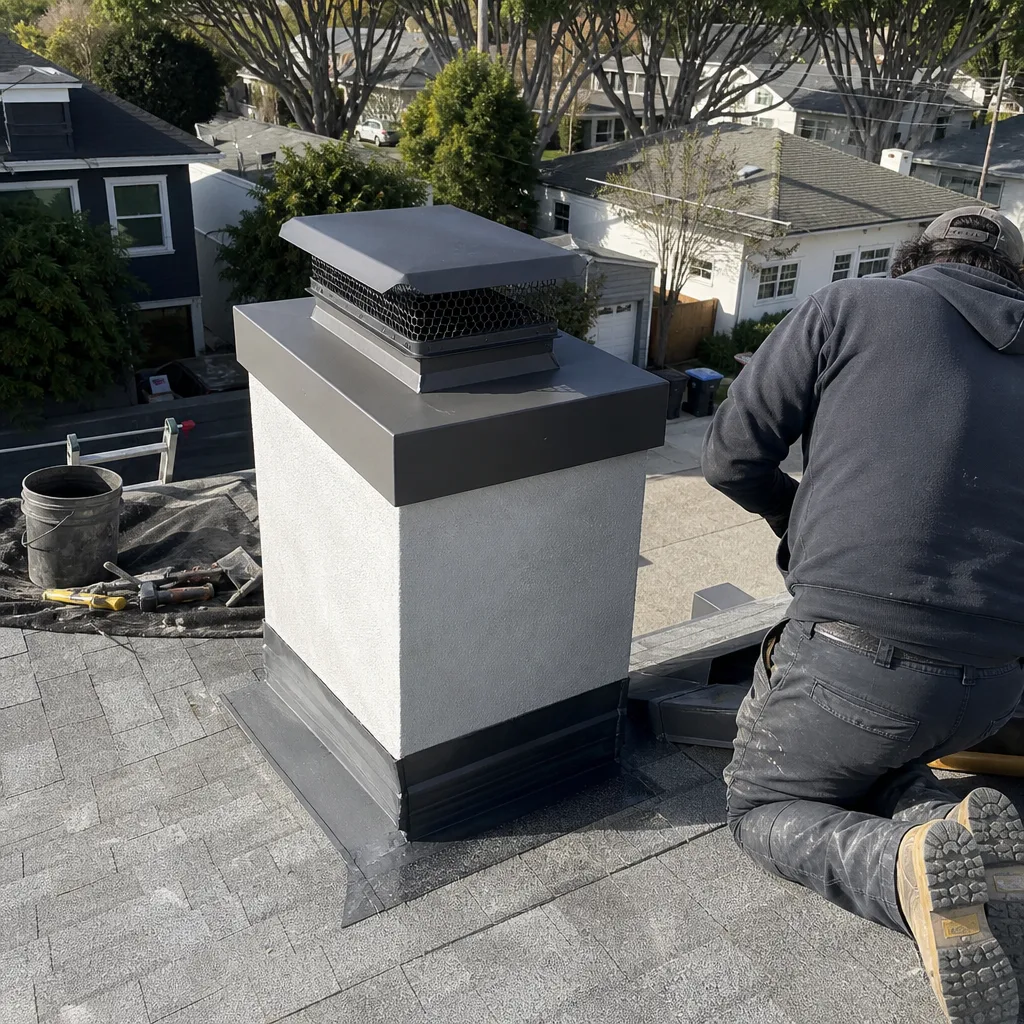
- Inspect the flashing where the chimney meets the roof. This is the single most common leak point in Central-Alameda homes. Cracked tar, lifted shingles around the flashing, or separated metal joints at that seam allow water to run down the chimney chase and into the attic. This inspection needs to happen after the rainy season ends, when evidence is fresh.
- Schedule a sweep if you used the fireplace more than ten times over the winter. Even ten fires produce enough creosote to warrant removal before summer humidity locks it in. A sweep in May means the flue sits clean through the dry months instead of marinating residue all summer.
- Check the damper. If it won’t close fully, or if you can hear air moving through the fireplace on a windy day, the metal has warped or the seal has failed. An open damper all summer pulls conditioned air out of the house and invites animals in.
When we inspect chimneys in Central-Alameda each spring, the pattern repeats: cracked flashing, corroded caps, and damp creosote that could have been caught the previous fall. This is also the right time to address anything structural before the contractors get busy. Chimney Repair in Central-Alameda work scheduled in May or June gets done faster than calls made in October.
Summer Idle Maintenance: The Season Most Homeowners Ignore
An unused chimney in a Central-Alameda summer is not a dormant chimney. It’s a warm, dark, still cavity that animals actively seek out. From May through September, the most common chimney issues we encounter are not creosote-related at all. They’re biological and moisture-driven.
Animal nesting. Chimney swifts and swallows use open or inadequately capped flues as nesting sites during California’s warm months. Squirrels descend from overhanging oak and eucalyptus branches and take up residence. A single nest can block a flue completely, and the dry nesting material is about as flammable as any creosote we remove. More concerning is what homeowners do after the birds leave: if they light that first October fire without an inspection, they’re igniting a chimney full of twigs, leaves, and feathers.
Moisture compounding. Central-Alameda’s summer humidity is mild compared to inland California, but the marine layer means mornings stay damp well into July. If your flue wasn’t swept in spring, that damp air interacts with residual creosote and creates conditions where the residue hardens into a dense glaze. What was brushable in April becomes stubborn by September.
Odor. A fireplace that smells musty in August is telling you there’s moisture trapped somewhere. Usually that means a failed cap, a cracked crown, or mortar joints absorbing fog moisture at night and not drying out during the day. The smell is not just unpleasant, it’s diagnostic. We recommend noting it and mentioning it during your fall service call.
Summer is also a good time for a visual check of your dryer vent if the laundry room backs up to the chimney chase. Many Central-Alameda homes route both systems through the same wall cavity, and lint buildup inside a shared chase is a fire risk independent of chimney condition. A quick look at the exterior dryer vent hood for accumulated lint takes thirty seconds and tells you whether Dryer Vent Cleaning in Central-Alameda belongs on your agenda.
Fall Pre-Season Protocol: Beyond the Basic Sweep
Fall is when Central-Alameda homeowners finally think about their chimneys, and most schedule a basic sweep. That’s necessary but not sufficient. A proper pre-season protocol addresses four things:
- A full flue sweep. This removes creosote, soot, and any organic debris that accumulated over the summer. The National Fire Protection Association recommends sweeping when creosote reaches 1/8 inch thick anywhere in the system. In Central-Alameda’s climate, that threshold can be reached in a single light burn season, not the two or three years typical in drier regions.
- Damper sealing and operation. The damper is the moving part most likely to fail quietly. If it doesn’t seal fully when closed, warm house air escapes up the flue all winter, and cold Bay air drops in. A drafty fireplace drives heating costs and makes the whole room uncomfortable. We test dampers by feel and with smoke, and adjust or replace them before the first fire.
- Smoke chamber inspection. The smoke chamber is the angled transition area above the firebox and below the flue. It’s the most difficult area to clean properly and one of the least understood by homeowners. Creosote accumulates heavily there, and a basic sweep from above often misses it. A camera inspection of the smoke chamber tells us whether the chamber’s parging is cracked and whether creosote has penetrated into the masonry. This is where brands like Copperfield come in: their chamber repair materials are what we use when parging has failed, not a big-box masonry patch.
- Draft testing. A fireplace can be spotless and still smoke badly. Draft depends on flue height, cap design, chimney location relative to the roofline, and even surrounding trees. In Central-Alameda’s low wind and frequent fog, negative-pressure houses with tightly sealed windows can experience weak draft. We test with a smoke pencil before the season starts so the first real fire doesn’t smoke out the living room.
We stock Gelco caps and Olympia Chimney flue components because they hold up to salt air corrosion better than galvanized steel. The marine layer in Central-Alameda means any metal on your roofline oxidizes faster than the same component in Danville or Livermore. Choosing the wrong cap material saves money in October and costs a replacement in March.
Building a Two-Visit Annual Schedule That Actually Fits Central-Alameda
One visit per year worked in climates where chimneys burn steadily for five months and sit idle for seven. Central-Alameda’s pattern demands two visits, spaced roughly five months apart. Here’s the schedule we recommend for most of our local customers:
- Visit one: April through June. Post-rain inspection and sweep. This catches flashing leaks, cap damage, and moisture penetration from winter storms, and leaves the flue clean before humid summer air can harden residual creosote. This is also the window to complete any structural repairs before the fall rush.
- Visit two: September through November. Pre-season sweep, damper test, smoke chamber inspection, and draft check. This confirms the chimney survived the summer without animal intrusion and that everything is ready for the first fire.
If you burn more than forty fires per season, a third mid-winter sweep in January keeps creosote levels in check during peak use. If you burn fewer than ten, the two-visit schedule still improves safety because it catches moisture and animal issues that a single fall visit cannot. Remember: in Central-Alameda, the chimney’s enemy is not just fire residue. It’s the combination of damp air, salt corrosion, and animals exploiting a system that’s idle more often than it’s hot.
Why Infrequent Burning Creates More Corrosive Creosote
Here’s the chemistry, simplified. Wood smoke contains water vapor, unburned carbon particles, and organic compounds. When that smoke hits a flue wall cooler than about 250 degrees Fahrenheit, the compounds condense into creosote, a tarry, acidic deposit. Every fireplace produces some creosote. The question is what happens next.
In a cold-climate home with daily fires, the flue stays warm for hours each day. Hot flues dry the masonry, and dry masonry sheds creosote loosely. A sweep removes it easily. In a Central-Alameda home where fires happen twice a week, the flue barely warms before it cools again. Each cooling cycle means the walls go from cold to warm to cold, and each cycle pulls in a little ambient moisture from the air outside. That moisture soaks into the creosote and helps it bond with the flue materials. The result is a hard, shiny glaze that resists brushing and releases acidic compounds directly into mortar joints over time.
In our experience across Central-Alameda homes, this is why two light-burn seasons can require a more intensive sweep than one heavy winter in a continental climate. The volume of creosote is smaller, but the form it takes is tougher on the chimney. This is not a reason to burn more often. It’s a reason to keep up with seasonal maintenance even when your fireplace feels like an occasional convenience. This is also why we use professional-grade rotary cleaning systems and not hand brushes alone, because hand brushing alone will not remove glazed creosote from tile liners.
Moisture, Salt Air, and Masonry: The Slow Damage You Can’t See
Central-Alameda sits close enough to the Bay that the marine layer rolls in most nights between May and September. That fog carries salt and sulfates. When it condenses on chimney masonry, the moisture wicks into the brick and mortar, carrying dissolved salts with it. During the day, the moisture evaporates at the surface, leaving salt crystals behind in the pore spaces of the masonry. Over years, those crystals expand and contract, breaking down the binding structure of mortar joints.
This is called salt spalling, and it looks from the ground like ordinary aging. Brick faces flake, mortar turns sandy, and hairline cracks appear. The chimney doesn’t lean dramatically. It just weakens slowly.
For Central-Alameda homeowners, the practical takeaway is this: your chimney’s masonry needs visual attention even if you almost never use the fireplace. A chimney that hasn’t seen a fire in three years can still have significant structural deterioration from salt air alone. The spring inspection catches this before it becomes a leak, and the repair usually means repointing mortar joints rather than rebuilding the stack, much less expensive when caught early.
We carry the same parts contractors specify for Chimney Sweep in Central-Alameda. That includes stainless steel chase covers and copper flashing materials, metals chosen specifically because they resist the corrosive marine environment. Big-box alternatives often fail here within two years.
Common Mistakes to Avoid
- Following a “sweep once in the fall” schedule designed for cold climates. Central-Alameda’s moisture pattern means a spring inspection matters as much as a fall sweep. The two-visit schedule catches rain damage and summer animals that a single visit cannot.
- Assuming low fireplace use means no chimney maintenance. Infrequent burning produces hardened, moisture-laden creosote and leaves the flue empty for animals. A fireplace used ten times a year still needs yearly attention.
- Ignoring the exterior brick and cap because you checked the inside of the firebox. Most leaks and structural issues external to the flue are invisible from inside the fireplace. The cap, flashing, and mortar joints are where Central-Alameda’s weather causes damage first. Walk outside and look up.
- Delaying a cap replacement because it “looks okay from the street.” Rust spots and bent mesh visible at a distance mean the cap has already begun to fail. In salt air, that failure accelerates quickly. Replace before the winter rains.
- Lighting a first fall fire without checking for animals or debris. Birds and squirrels move into uncapped or damaged flues during summer. A fall fire with a nest in the smoke chamber is a chimney fire waiting to happen. Always schedule an inspection before that first burn.
- Burning wet or treated wood. The marine layer means firewood stored outside in Central-Alameda absorbs more moisture than wood kept in a dry, inland climate. Wet wood burns cooler, produces more smoke, and leaves more creosote per fire. Store firewood under cover, and only burn seasoned wood.
When to Call a Professional
Some chimney maintenance you can do yourself: walking the perimeter, checking the cap from the ground, noting unusual odors or draftiness, and keeping the area around the fireplace clean. But most of the work on this list, especially the cleaning and inspection, belongs with a professional. Sweeping requires rotary equipment and safety gear. Flashing and cap repair means working at roof height on a ladder, which carries real fall risk. A camera inspection of the flue interior requires equipment most homeowners will never own. If you see cracked flashing, smell a strong musty odor from the fireplace in summer, hear animals in the chimney, or have smoke entering the room on a windy day, call rather than troubleshoot. Tidewater Chimney Sweep offers free estimates in Central-Alameda, call (866) 282-7014.
Frequently Asked Questions
Every year, and most local homes benefit from two visits per year: a spring post-rain inspection and a fall pre-season sweep. The National Fire Protection Association recommends sweeping whenever creosote reaches 1/8 inch, and Central-Alameda’s damp climate causes that buildup faster than drier regions.
Yes. Light, infrequent burning produces a harder, more corrosive creosote than daily burning does. A chimney used ten times per season can accumulate enough glazed residue in one or two years to require a professional sweep, and the empty flue is also vulnerable to animal nesting during idle months.
Most standard sweeps in Central-Alameda run between $180 and $350 depending on flue height, accessibility, and the amount of creosote present. See our Chimney Cleaning Cost Breakdown: The Central-Alameda Homeowner’s Reference for 2026 for detailed pricing factors. A flat-price quote before scheduling is the norm, and camera inspection with a photo report should be included. Call (866) 282-7014 for an exact quote, and estimates are free.
A musty fireplace smell in warm weather usually means moisture is trapped somewhere in the flue system. The most common causes in Central-Alameda are a failed chimney cap, cracked crown, or mortar joints absorbing coastal fog moisture overnight. The smell is diagnostic; it tells you water is getting in where it shouldn’t.
Not always, and you should never accept that recommendation without seeing camera evidence. A failed liner shows specific patterns: cracks, spalling tile, gaps between sections, or erosion in the mortar joints between tiles. If those signs are absent, the liner may not need replacement. Some damage can be addressed with a HeatShield resurfacing system rather than a full liner replacement, and camera documentation should accompany any recommendation for significant repair work.
We don’t recommend it. Proper chimney cleaning requires rotary brushes, vacuum systems, roof access, and an understanding of what healthy versus failing flue materials look like. Chimney work at roof height carries serious fall risk, and an amateur sweep can damage a clay liner without realizing it. In Central-Alameda specifically, a visual inspection by someone who knows what salt air and intermittent burning do to chimneys catches problems a store-bought brush never will. Before any work begins, review Chimney Cleaning Permits, Codes & Inspections in CA: What You Need to Know.
The Bottom Line
Central-Alameda’s mild weather is the reason so many of us love living here, and it’s also the reason our chimneys need more thoughtful seasonal care than homeowners in snowy climates. Light, intermittent burning produces corrosive creosote. The marine layer attacks masonry. Summer turns idle flues into animal housing. The homeowners who avoid chimney problems here are the ones who stop thinking of maintenance as a once-a-year fall chore and start treating it as a rhythm: sweep after the rains, inspect before the fires, and fix small things in the seasons when contractors have time. Two visits a year, a camera report you can see, and a specialist who understands this microclimate, that’s what keeps a Central-Alameda chimney safe for decades.
If you’re ready to schedule your spring or fall service, Tidewater Chimney Sweep home is the place to start. We’re a chimney and venting specialist serving Central-Alameda, and we bring professional-grade equipment and materials to every job. Call (866) 282-7014 for a free estimate.
Written by the team at Tidewater Chimney Sweep, serving Central-Alameda since 2012.
See the difference
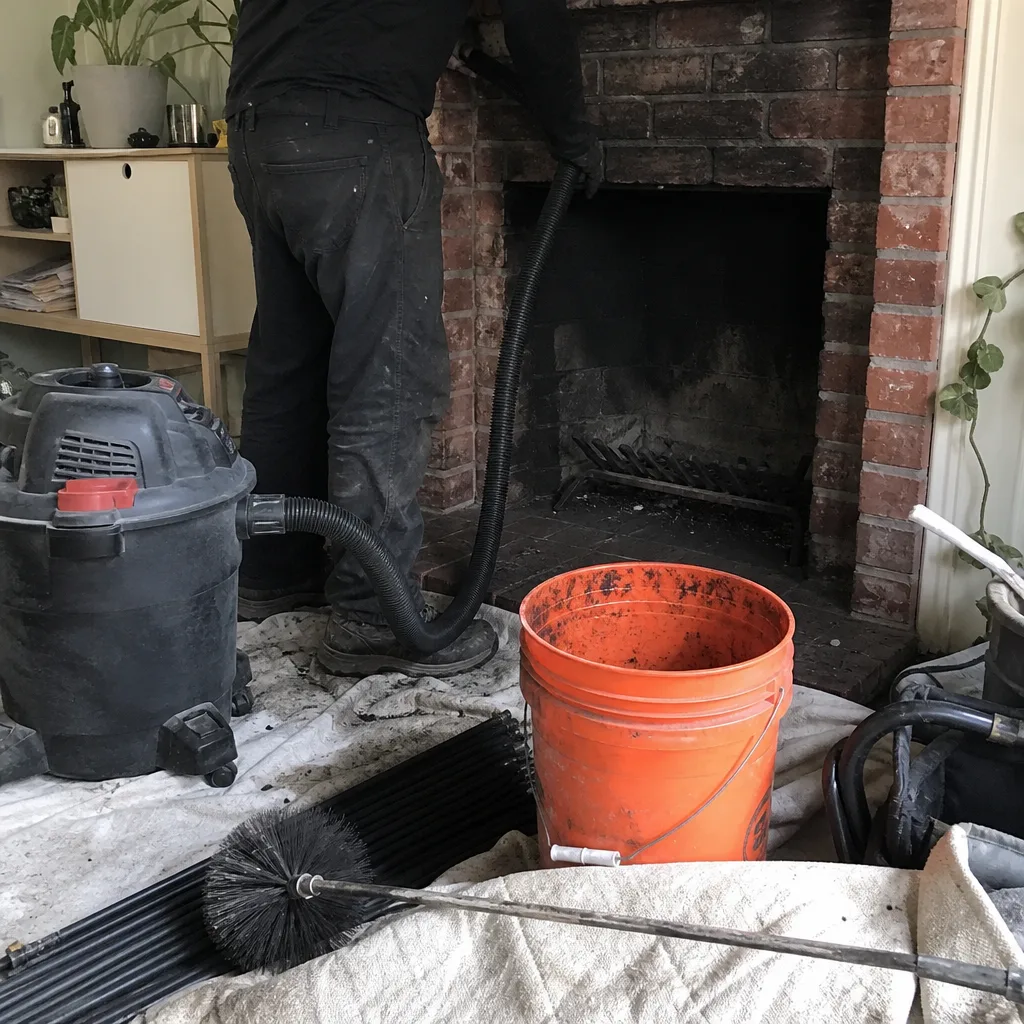 Before
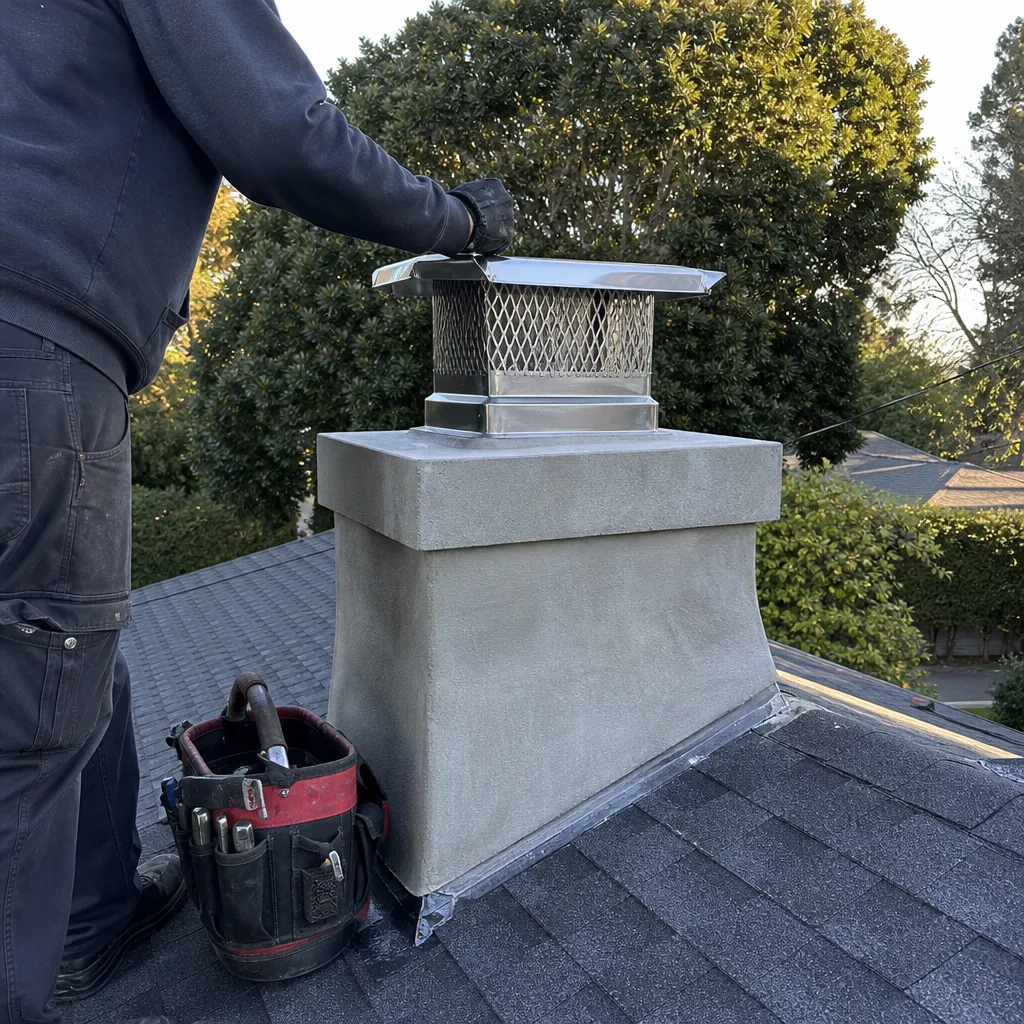 After
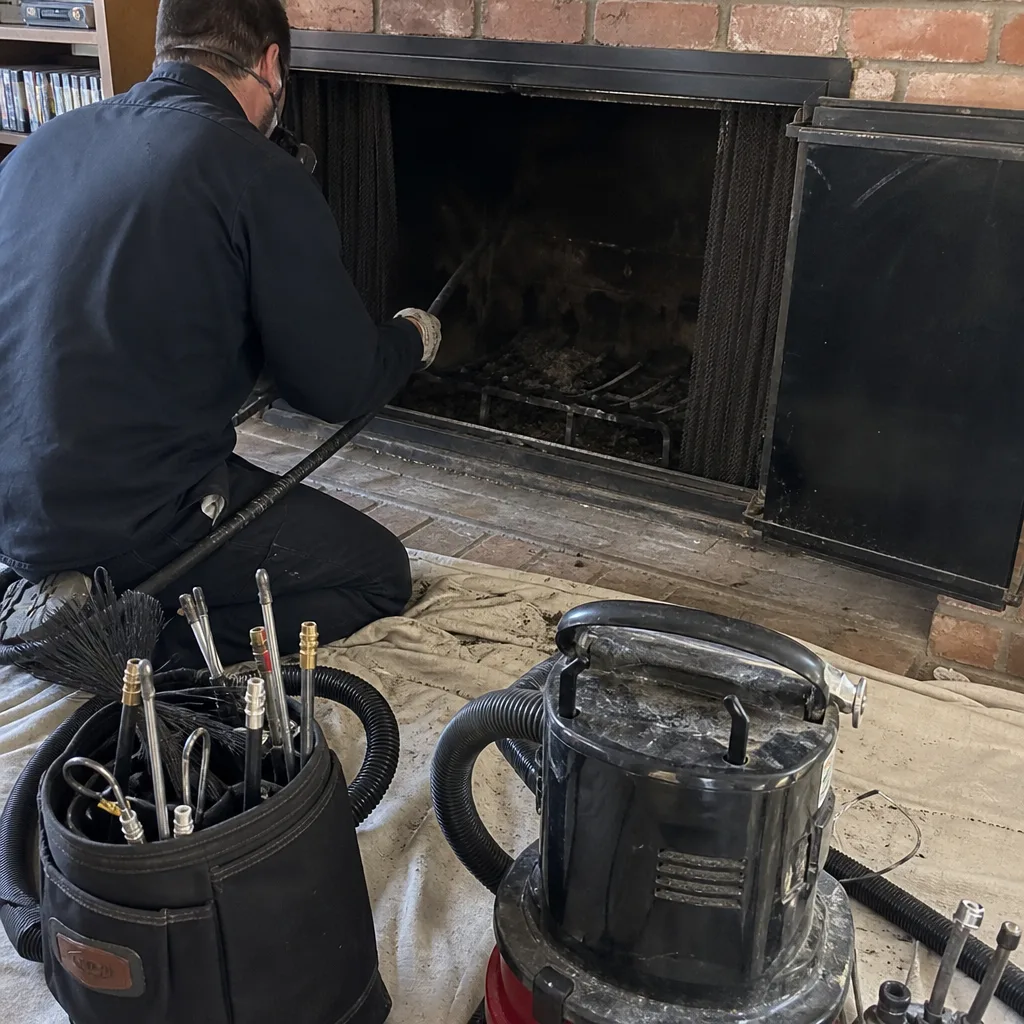 Before
 After
 Before
 After