
Last updated November 2, 2026
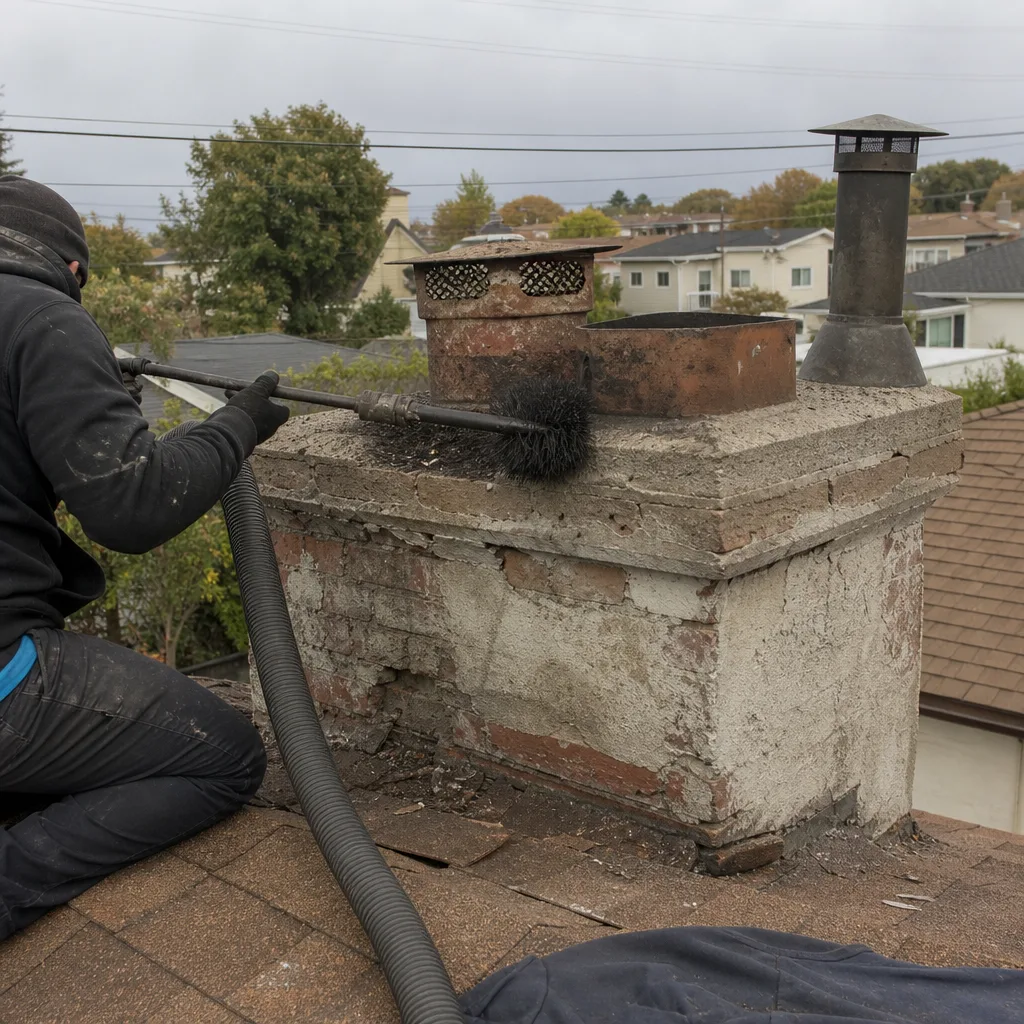
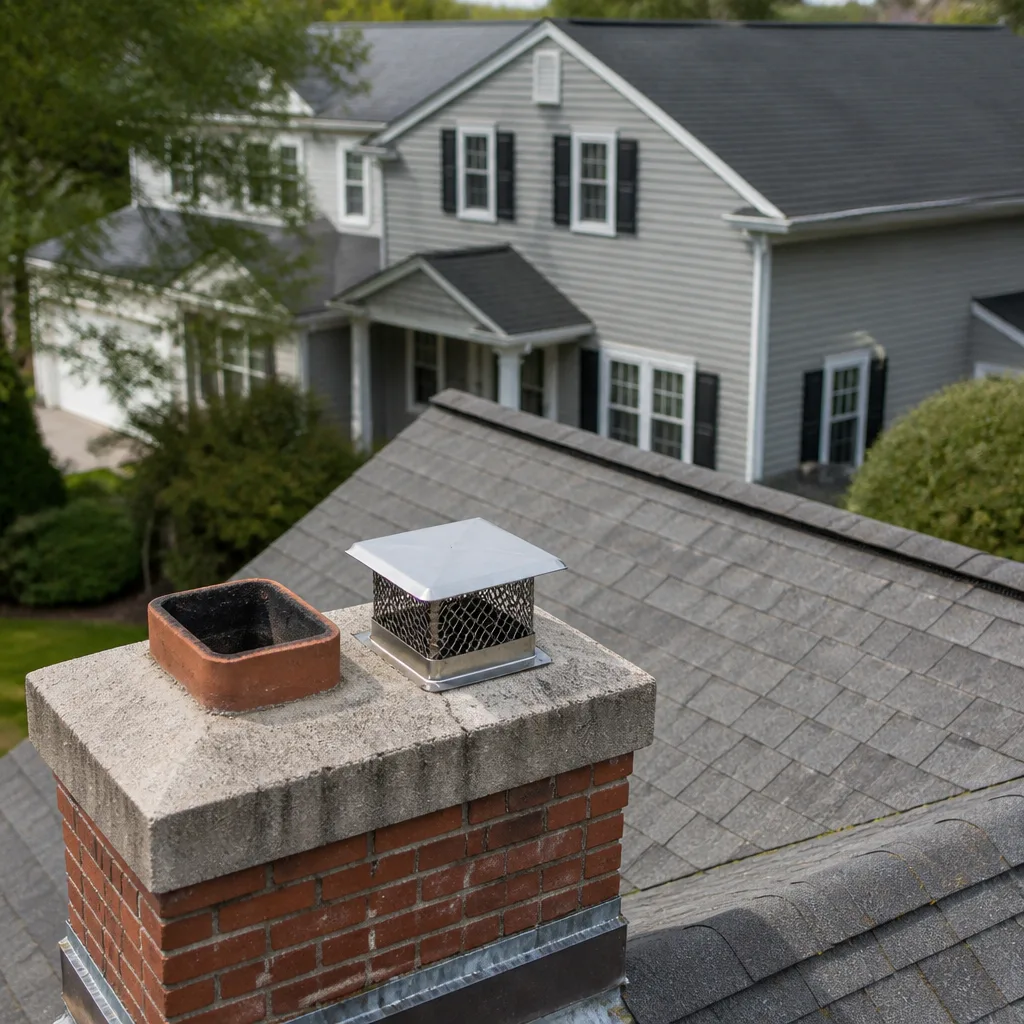 Sweep & inspection
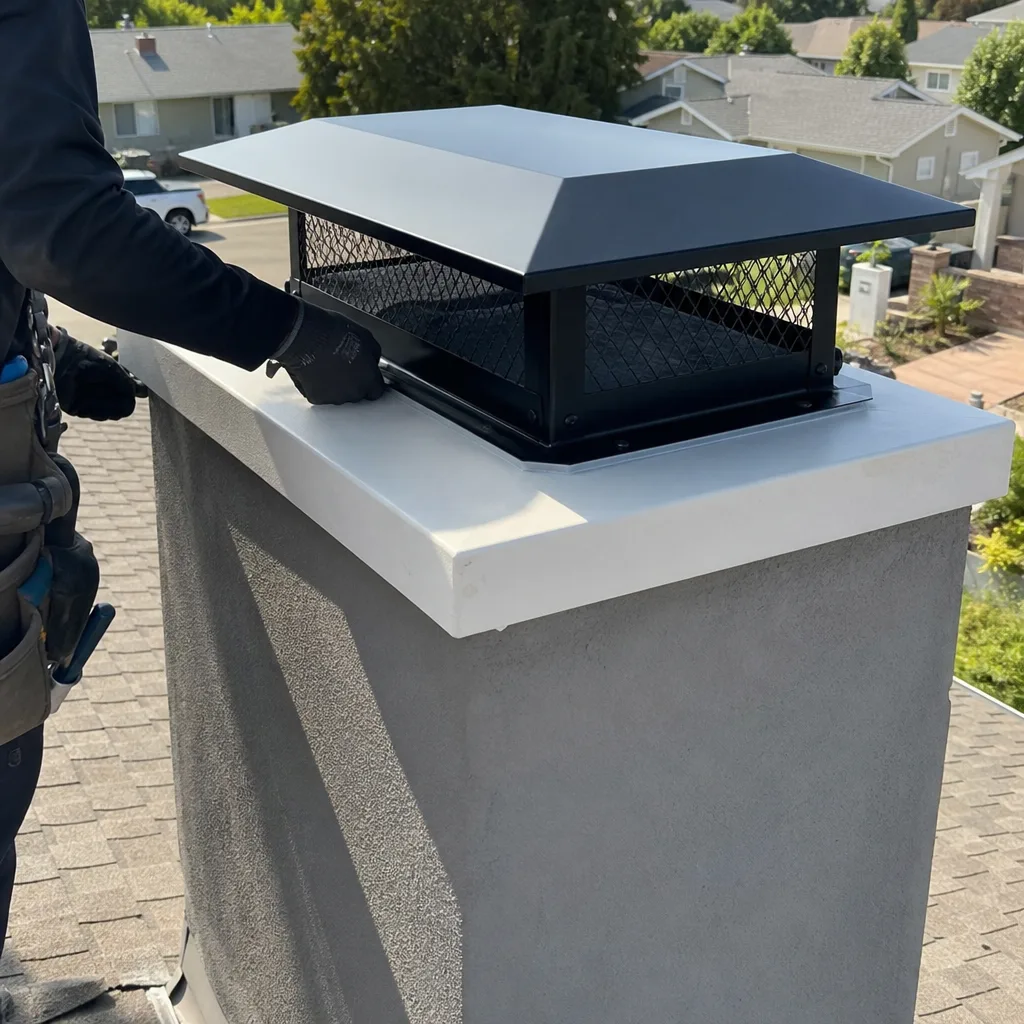
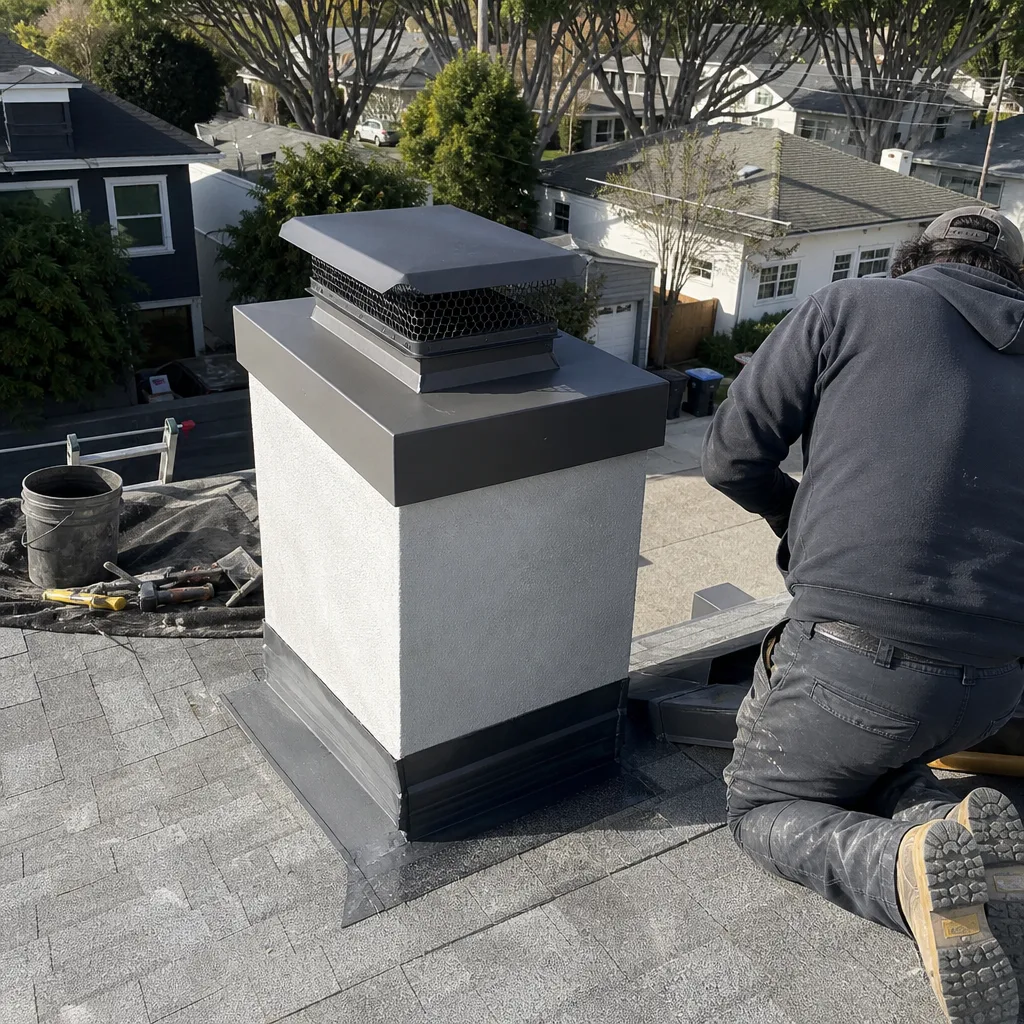
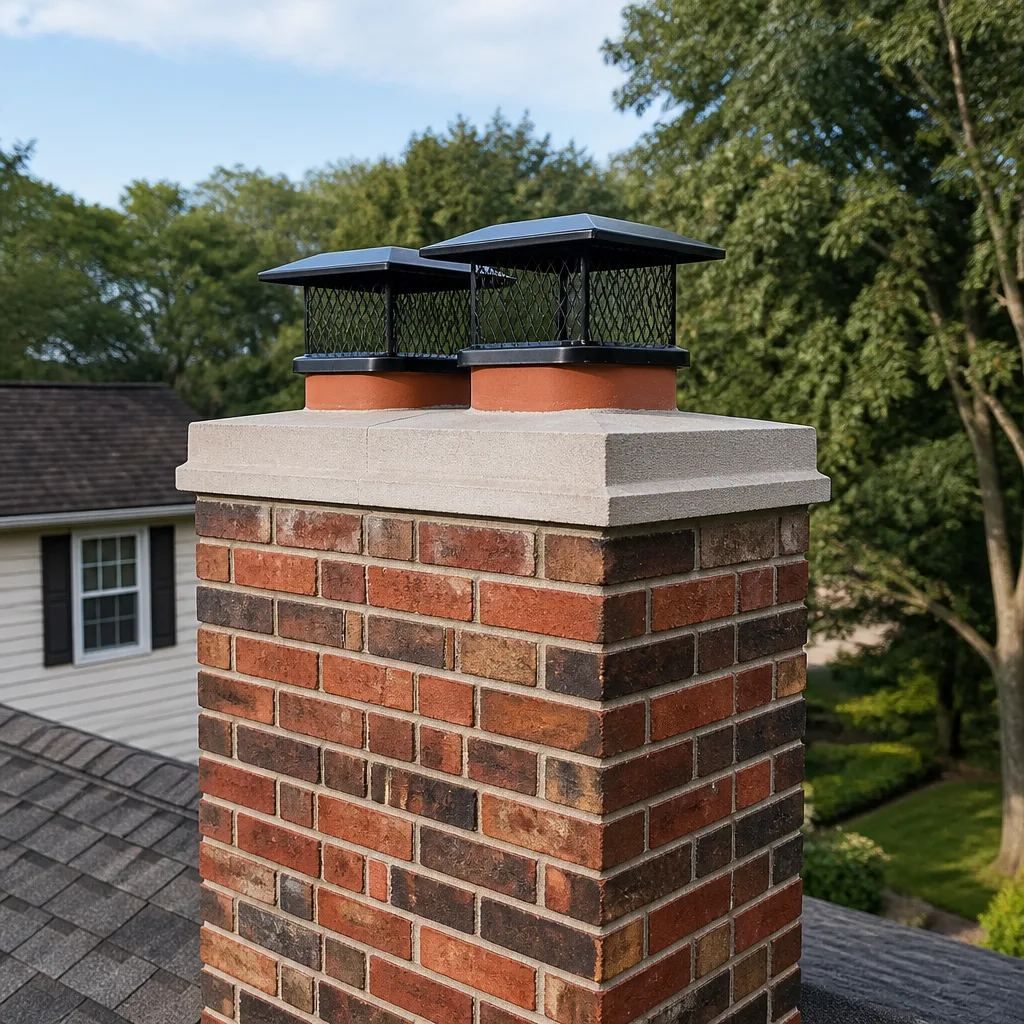 Caps & crowns
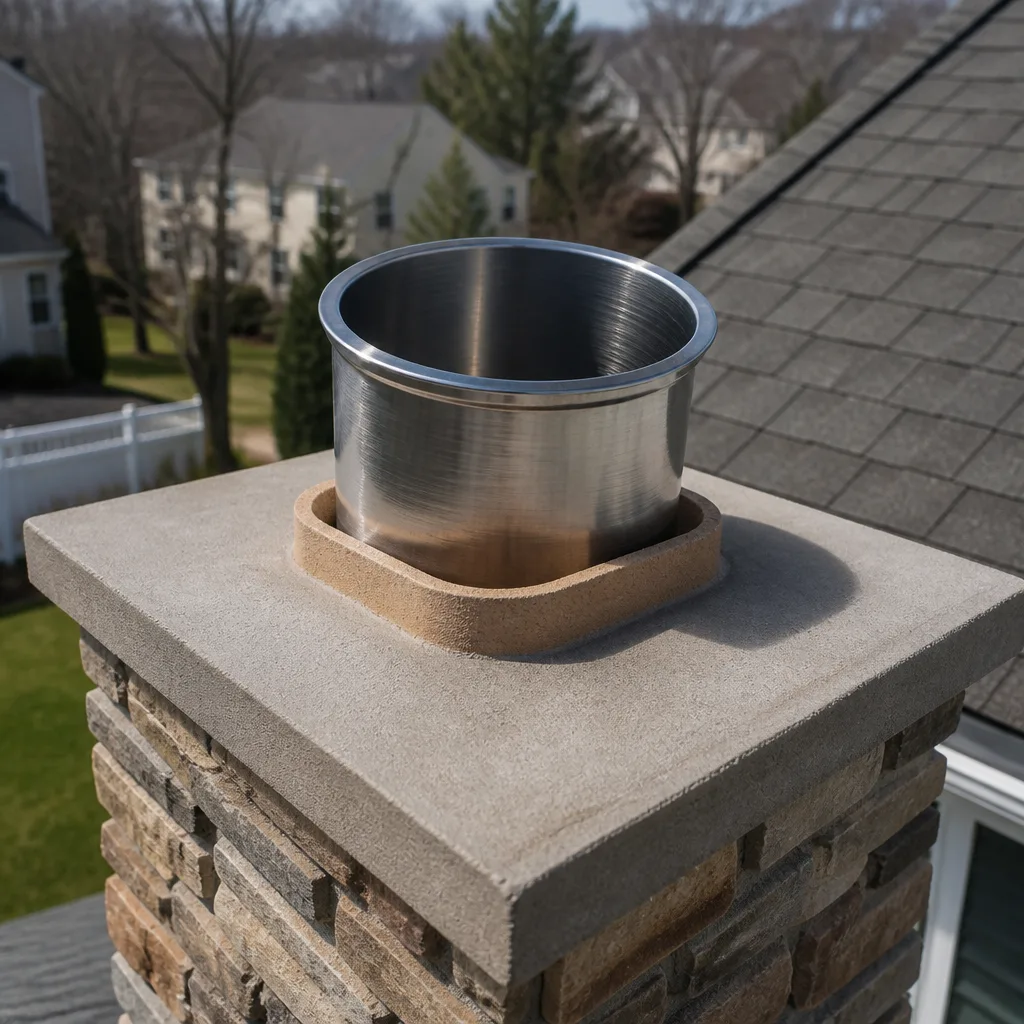 Flue relining
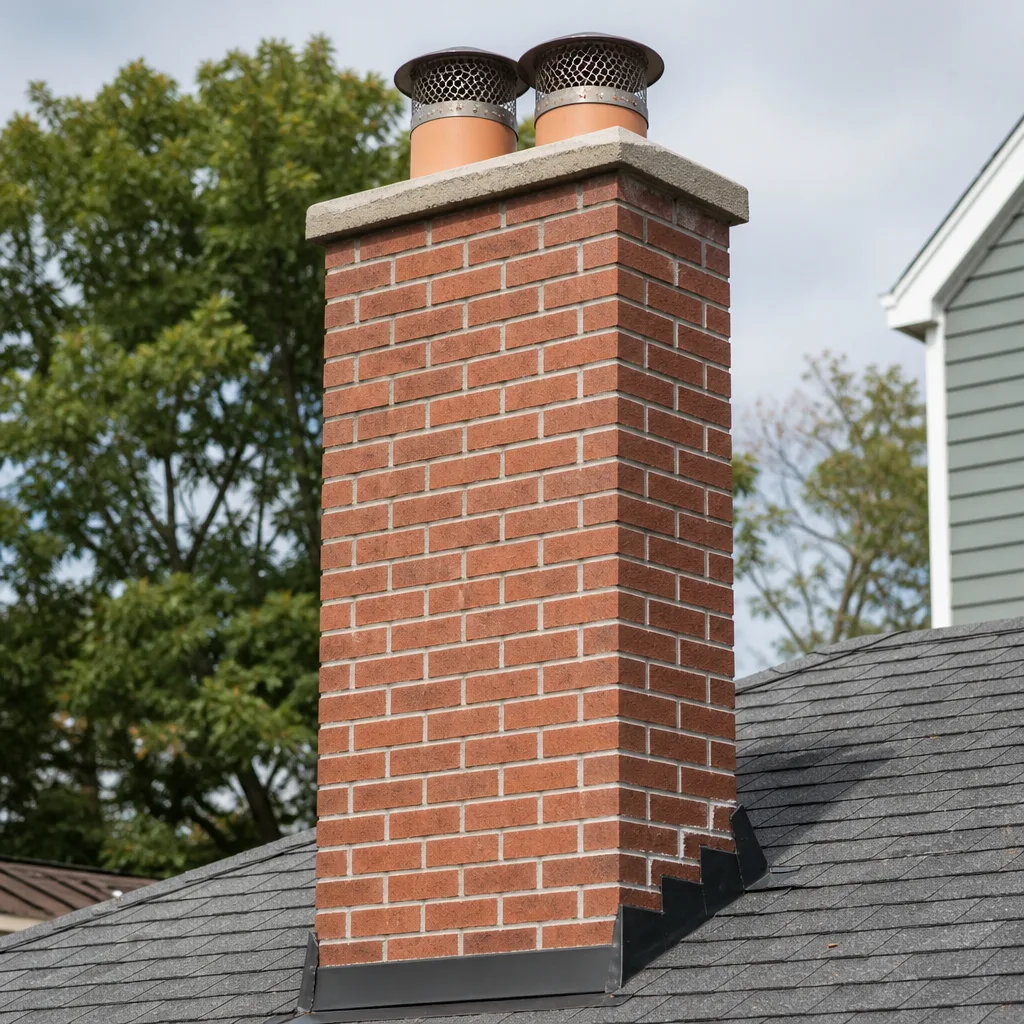 Masonry repair
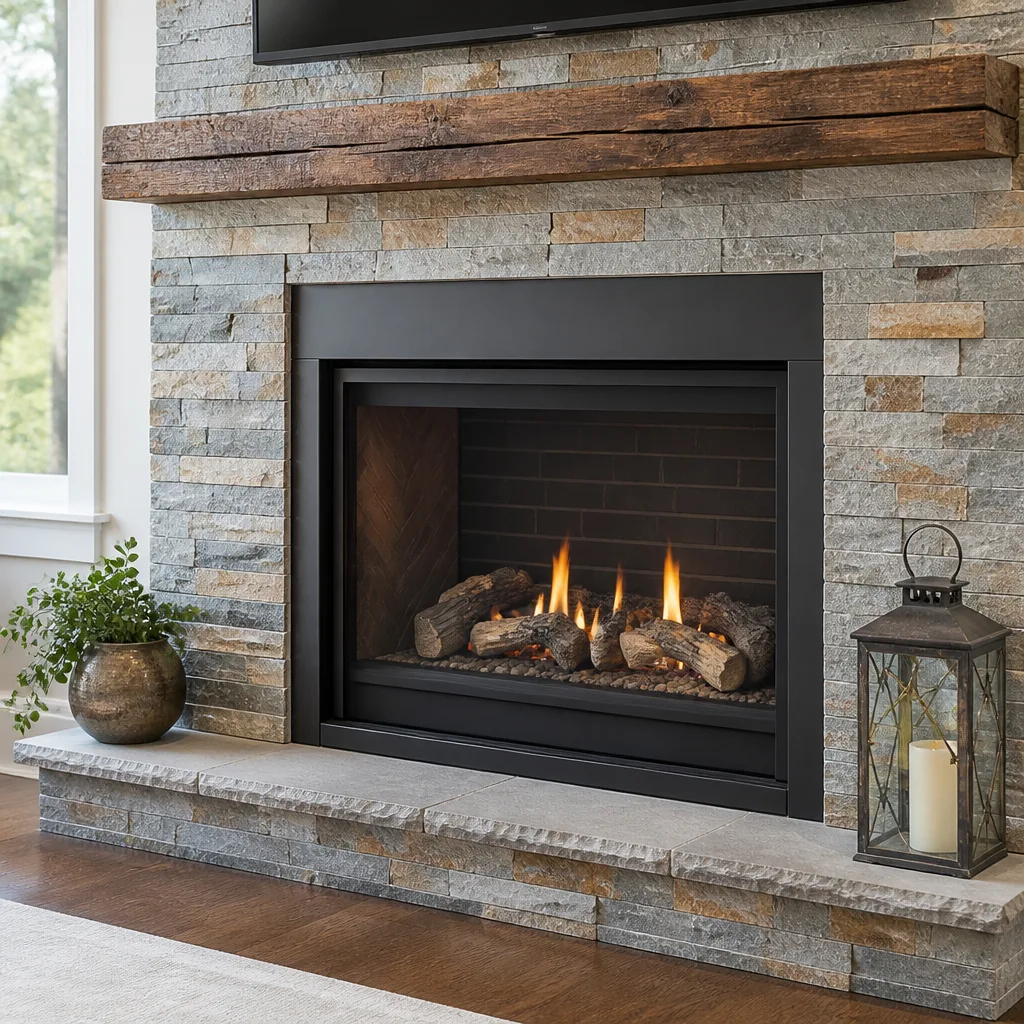 Gas fireplace service
Level 1 sweep and inspection to the NFPA 211 annual standard - flue, crown, cap, and flashing checked and photographed
Chimney sweep logs do not sweep chimneys. They loosen some creosote - which then falls where a brush and vacuum still have to collect it.
Chimney Cleaning Emergency Preparedness Guide for Central-Alameda Homes
A chimney fire doesn’t always sound like an explosion. The slow-burning ones, the kind that smolder inside the flue at temperatures exceeding 1,700 degrees Fahrenheit, can be nearly silent. Homeowners in Central-Alameda have sat in their living rooms watching what they thought was a cheerful, hot-burning fire while the liner tiles behind the wall were silently cracking apart. This guide exists so you never have to wonder. It walks through the two distinct types of chimney emergencies, the warning signs that precede them, and the exact steps to take before, during, and after an event. Preparedness is not paranoia. In Central-Alameda, where winter fog rolls in off the bay and fireplaces work hard for months at a stretch, it’s maintenance.
Styles & brands we work with
- Sweep & inspection
- Caps & crowns
- Flue relining
- Masonry repair
- Gas fireplace service
Quick Answer
Chimney emergencies in Central-Alameda fall into three categories: chimney fires (fast and explosive, or slow and smoldering), carbon monoxide backdraft events, and sudden draft failure. The single most effective preparedness move is a pre-season inspection and sweep, combined with a working CO detector placed in the same room as the fireplace and a damper operation test before the first fire of the year. If you suspect a chimney fire has occurred, extinguish the fire safely, evacuate, and call 911 if flames are visible outside the firebox. After the event, do not use the fireplace until a professional inspects the flue for structural damage.
Table of Contents
- Slow-Burning vs. Fast Chimney Fires: How to Tell the Difference
- Carbon Monoxide and Fireplaces: Understanding Backdraft Events
- Immediate Response Protocol After a Suspected Chimney Fire
- Post-Emergency Documentation: What Insurers and Contractors Need
- Pre-Season Emergency Prep: Two Steps That Prevent Most Calls
- How Central-Alameda’s Climate Affects Your Fireplace and Flue
- Sudden Draft Failure: Causes and What to Check First
- Common Mistakes to Avoid
- When to Call a Professional
- Frequently Asked Questions
- The Bottom Line
Slow-Burning vs. Fast Chimney Fires: How to Tell the Difference
There are two distinct types of chimney fires, and they present very differently. The fast, audible kind is what most people picture: a loud crackling or popping sound, sometimes described as a freight train or low-flying jet, with visible flames shooting from the chimney top. These fires are dramatic and unmistakable. But they are not the more common type. The slow-burning chimney fire is the one that catches Central-Alameda homeowners off guard. It develops when creosote deposits inside the flue ignite but burn at a controlled rate due to limited oxygen. The sound is subtle. You may hear a faint whisper, a light hiss, or nothing at all. What you will notice, if anything, is an unusually hot fire, a dense smoke smell, or a slight warping of the damper.
The temperature inside a slow-burning flue fire can exceed 2,000 degrees Fahrenheit at the point of combustion. That is hot enough to crack flue liner tiles, separate mortar joints, and transfer heat to nearby framing. In many homes we inspect, the first visible evidence of a past slow-burning fire is damaged flue tiles found during a routine chimney sweep in Central-Alameda. The homeowner never knew it happened. That is why understanding the distinction matters. A fast fire announces itself and triggers an emergency call. A slow fire hides in plain sight and leaves structural damage that becomes a future hazard.
Warning Signs of a Slow-Burning Chimney Fire
- A deep, low rumbling or crackling sound that persists for more than a few minutes
- Excessive heat radiating from the fireplace surround, even at a distance
- A dense, tar-like smoke odor inside the home, distinct from normal wood smoke
- Visible deformation or warping of the metal damper
- Flue tiles or creosote fragments falling into the firebox
- Discoloration or peeling of paint on the chimney chase or surrounding wall
If you observe any of these signs, the protocol is straightforward. Do not dump water into the firebox, which can cause thermal shock and crack cast iron or refractory panels. Close the damper fully to starve the fire of oxygen if you can do so safely. Then evacuate and call 911 if you see flames outside the chimney or if smoke is filling the home. Once the fire is confirmed out, the chimney must be inspected before any further use. We have seen the aftermath of slow-burning fires in homes throughout Central-Alameda where the only visible clue was a hairline crack in a single flue tile. Left alone, that crack becomes a pathway for the next fire to reach the framing.
The takeaway: a quiet chimney fire is still a structural emergency. Treat it with the same seriousness you would a roaring one.
Carbon Monoxide and Fireplaces: Understanding Backdraft Events
Carbon monoxide kills quietly. It is colorless, odorless, and slightly lighter than air. In a fireplace, CO is produced whenever fuel burns, but under normal conditions it flows up the flue and out of the home. A backdraft event reverses that flow. When negative pressure inside the house overpowers the natural draft of the chimney, combustion gases pour back into the living space instead of exiting the flue. This is the most common cause of fireplace-related CO exposure, and it happens more often than most Central-Alameda homeowners realize.
Backdrafting occurs when something inside the home is actively competing for air. Modern homes are built tight. When a kitchen exhaust fan, a bathroom fan, or a clothes dryer is running, those appliances pull air out of the living space. If the home cannot make up that air through windows or vents, the air has to come from somewhere. The chimney, which is essentially an open pipe to the outdoors, becomes the path of least resistance. The result: carbon monoxide spills into the home.
Conditions That Trigger Backdraft Events
- Operating a kitchen range hood at high CFM while the fireplace is burning
- Running a clothes dryer on the same level during fire use
- Multiple bathroom exhaust fans running simultaneously
- A tightly sealed home with no open window or makeup air source
- Wind conditions that create negative pressure at the chimney crown
- A chimney that has been reduced in height by renovation or weather damage
This is not theoretical. In our experience, a significant percentage of chimney-related CO calls we respond to involve a homeowner who started a fire, then turned on the kitchen exhaust to clear cooking smoke, and began feeling lightheaded within the hour. The fix is not replacing the chimney. It is managing the air pressure in the home.
Detection Before the Alarm Triggers
A CO alarm is the last line of defense, not the first. You want to identify backdraft conditions before the concentration reaches the alarm threshold. The earliest symptom is usually a sudden smoky smell in the room when the flue was drawing cleanly moments before. You may also notice the fire behaving erratically: flames licking toward the room rather than rising, or smoke wisping out around the damper.
One practical test we recommend to Central-Alameda homeowners: before lighting the first fire of the season, open a window in the same room by about two inches. Use a lighter or a lit match held near the damper opening. If the flame is drawn strongly upward into the flue, the draft is positive. If the flame wavers or pushes back toward the room, the draft is negative, and you need to address the pressure imbalance before burning.
CO detector placement matters more than most people think. Install one on every level of the home, and place one in the same room as the fireplace, but not directly above the firebox, where normal startup smoke can cause false alarms. The detector should be at least 15 feet from the fireplace and at chest height or on the ceiling per manufacturer instructions. A detector that is too far away does not protect the people sitting in the fire room.
For homes with gas inserts or wood stoves, chimney repair in Central-Alameda often involves addressing draft issues that stem from damaged liners or improper termination caps. A backdraft event caused by a compromised flue is a different animal than one caused by negative pressure, and it requires a different fix.
Immediate Response Protocol After a Suspected Chimney Fire
When a chimney fire is suspected, the order of operations matters. Every action has a reason, and skipping steps can turn a contained event into a structure fire. This protocol applies whether the fire is fast and audible or slow and subtle.
- Stay calm and assess visibility. Look at the firebox and the chimney exterior. If you see flames outside the chimney structure, or if smoke is entering the room faster than it exits, this is a 911 call.
- If safe, close the damper fully. This cuts off oxygen to the chimney fire. Only do this if you can reach the damper without putting your face near the firebox opening. A closed damper can reduce a chimney fire from roaring to smoldering within seconds.
- Do not pour water into the firebox. Thermal shock from cold water on superheated masonry or metal can fracture the firebox, crack the flue liner, and create steam that pushes embers into the room. The fire in the firebox will burn itself out if given fuel exhaustion time.
- Do not use a fire extinguisher on the firebox fire. Chemical extinguishers are for room fires, not contained firebox burns. The dry chemical can be drawn up the flue and damage the liner, and it rarely reaches the seat of a chimney fire.
- Evacuate if smoke fills living spaces. Chimney fires can produce carbon monoxide and toxic creosote byproducts. If the room becomes smoky or you smell an acrid, chemical odor, get everyone out and call 911 from outside.
- Monitor the chimney exterior. From a safe distance, watch the chimney top and the chase. If you see flames, call 911 immediately. In Central-Alameda, where many homes have old masonry chimneys with multiple flue courses, fire can spread between flue tiles and into the framing without ever becoming visible from the firebox.
- After the event, seal the fireplace. Close the damper, close glass doors if present, and do not use the fireplace again until a professional has inspected the flue. A single chimney fire can compromise the liner, and the next fire could be the one that spreads to the structure.
The most important number here is timing. A chimney fire can continue burning inside the flue for hours. Even if the firebox fire has died down, the creosote deposits in the flue can smolder. Treat the post-fire period as an active risk window until the chimney has cooled and been inspected.
Post-Emergency Documentation: What Insurers and Contractors Need
After a chimney fire or carbon monoxide event, documentation determines how fast you recover. Insurers ask specific questions, and contractors need specific information to assess safety. If you collect the right material in the first 24 hours, you save yourself weeks of back-and-forth. We have worked with Central-Alameda homeowners through the insurance process, and the ones who document thoroughly get faster approvals.
What to Photograph
- The firebox, damper, and flue opening after the event, before any cleanup
- The chimney exterior from all four sides, including the cap and crown
- Any visible cracking, spalling, or discoloration on the masonry or chase
- Debris inside the firebox: creosote fragments, flue tile pieces, warped metal
- The room surrounding the fireplace, including any smoke staining on walls or ceilings
- Any CO detector that triggered, including the display reading if it has one
What to Write Down
- The date, time, and duration of the event as best you can determine
- What you were doing when you noticed it (burning wood, starting up a gas insert, etc.)
- Any appliances running at the time: exhaust fans, dryers, HVAC systems
- Weather conditions: wind direction, temperature, fog, anything notable
- The last time the chimney was swept or inspected, if known
- Any symptoms experienced: headache, dizziness, nausea, disorientation
Insurers will ask whether maintenance records exist. If you can produce a sweep receipt or inspection report from the past year, the claim process is significantly smoother. If you cannot, do not fabricate one. Insurers have seen forged maintenance documents and they check. Instead, be honest about the last known service date and let the adjuster work from the physical evidence.
For the contractor who inspects after the event, the most useful thing you can do is leave the firebox untouched. Do not scrape out debris. Do not vacuum. The debris pattern tells a story. Creosote fragments that look like shiny, puffed black popcorn indicate a fire that reached high temperature. Flue tiles with split faces indicate thermal stress. Warped damper metal indicates heat transfer. We use these clues to determine whether the flue needs a Tidewater Chimney Sweep home full inspection, a liner replacement, or something less invasive like a HeatShield resurfacing treatment.
Pre-Season Emergency Prep: Two Steps That Prevent Most Calls
Most chimney emergencies we respond to in Central-Alameda trace back to two things that were entirely preventable: a CO detector that was either missing, dead, or in the wrong location, and a damper that was stuck or inoperable. These two items account for more emergency calls than creosote fires, backdraft CO events, and draft failure combined. The prep work is simple.
Step 1: Test the Damper Before the First Fire
- Open the damper fully and look up the flue with a flashlight. You are checking for visible obstruction: bird nests, debris, creosote buildup.
- Close the damper and open it again. It should move smoothly without grinding or sticking.
- Check that the damper seals reasonably well when closed. A damper that does not close properly allows warm house air to escape up the chimney, and during a chimney fire, allows oxygen to feed the flames.
- If the damper is rusted, warped, or disassembled, this is a repair item. A non-functioning damper makes every other emergency protocol harder to execute.
Step 2: Verify CO Detector Placement and Function
- Check the date of manufacture on the back of every CO detector. Most have a sensor lifespan of 5 to 7 years. If the detector is older than that, replace it before burning season.
- Test every detector using the built-in test button. If it does not sound loudly, replace the batteries or the unit.
- Confirm that there is a detector in the same room as any fireplace, wood stove, or gas insert. A detector in the hallway outside a bedroom does not protect someone sitting by the fire.
- If you have an attached garage, place a detector in the room adjacent to the garage door. Vehicles idling briefly can introduce CO that migrates inward.
These two steps take under an hour. They cost almost nothing. And in our experience serving Central-Alameda, they prevent the majority of the emergency calls that come through the line. For those who want a deeper pre-season check, a chimney sweep in Central-Alameda adds a third layer: removal of creosote that fuels slow-burning fires, inspection of the liner for cracks that enable heat transfer, and verification that the chimney cap is intact and pest-free.
How Central-Alameda’s Climate Affects Your Fireplace and Flue
Central-Alameda sits in the fog belt of the San Francisco Bay. Winter evenings are damp, with marine air moving in after sunset and temperatures dropping into the 40s. Homes here use fireplaces differently than inland homes. The damper cycles open and closed more frequently. Flues experience more condensation. Masonry sees more freeze-thaw cycling than many people expect, because while it rarely freezes hard, the temperature swings between day and night are regular and relentless.
This climate-specific wear shows up in predictable ways. Masonry chimneys in Central-Alameda develop efflorescence: white mineral deposits on the brick face caused by water migrating through the chimney structure. That water, when it condenses inside the flue, mixes with creosote to form a corrosive acidic slurry that attacks mortar joints and flue tiles. Homes closer to the bay see this corrosion accelerate. Homes farther inland, near the Park Street corridor or the East End, see less marine moisture but more seasonal temperature stress on the chimney crown.
Wood supply also matters. Coastal firewood is often denser and higher in moisture content than kiln-dried inland stock. Burning damp wood produces more creosote per cord, which means flues in Central-Alameda load up faster than flues in drier climates. A chimney that might go two seasons between sweeps in Sacramento needs annual attention here. That is not opinion. That is a function of combustion chemistry.
The fog itself is a factor. A cold, foggy evening produces a stack effect: warm air rising from the fire hits cold, dense air at the chimney top, and in marginal draft conditions, the smoke cools too quickly to exit cleanly. This can create intermittent smoke spillage in flues that draw fine on clear days. Homeowners who burn regularly in Central-Alameda learn to read the fog. The fireplace behaves differently at 9:00 PM in December than it does on a sunny afternoon in October.
Sudden Draft Failure: Causes and What to Check First
Draft failure is the most confusing chimney emergency because the system looks the same before and after. The flue is open. The damper is open. The fire burns. But smoke pours into the room instead of up the chimney. This is not a fire failure. It is an airflow failure, and it has specific mechanical causes.
The first thing to check: has anything changed in the home’s air balance? A new range hood in the kitchen, a new bathroom fan, a whole-house fan, or a newly replaced HVAC system can all shift the pressure gradient enough to overpower a marginal chimney draft. In Central-Alameda, where many older homes have been renovated and sealed tighter, this is increasingly common. The chimney worked for 60 years, then the kitchen got a 900-CFM hood, and suddenly the fireplace won’t draw.
The second check: the chimney cap. If the cap is missing, rusted, or clogged with debris, the flue loses its protection against wind and backpressure. A missing cap also allows rain, leaves, and in some cases, animals. A bird nest built during the spring can entirely block a flue by fall. We have pulled nests out of Central-Alameda chimneys that were the size of a five-gallon bucket.
The third check: the flue liner. A cracked liner does not draft like a smooth, intact liner. Cracks and gaps create turbulence, allowing smoke to swirl and stall. If a slow-burning chimney fire has occurred in the past, liner damage is likely. This is one of the reasons we recommend a camera inspection as part of any chimney repair in Central-Alameda. You cannot see a mid-flue crack from the firebox, and guessing is not a repair strategy.
If the draft fails suddenly and you cannot identify the cause from the firebox, stop burning. Smoke in the home is not a condition to troubleshoot with the fire still going. Let the fire die out, open a window to clear the room, and call for an inspection. Draft failure is rarely a fire hazard, but it is always an air quality hazard, and repeated exposure to wood smoke is a respiratory irritant that compounds over time.
Common Mistakes to Avoid
- Ignoring a slow-burning chimney fire. The fire is quiet, so the homeowner assumes everything is fine. The flue liner is cracking at 1,800 degrees while the living room stays comfortable. What feels like a hot, well-drafted fire can be a structural event in progress. If the fire sounds different than usual, treat it as suspicious.
- Using water or a dry chemical extinguisher on a chimney fire. Thermal shock fractures masonry and metal. Chemical extinguishers contaminate the flue and rarely reach the actual seat of the fire. The correct response is closing the damper and monitoring, not fighting the fire with an extinguisher.
- Burning unseasoned wood. Wet wood is the single biggest producer of creosote in the flue. In Central-Alameda’s damp climate, wood takes longer to season than inland. Wood that has been stacked for six months in a coastal side yard is often still wet inside. Burn only wood that is visibly cracked on the ends and has a moisture content below 20 percent.
- Running exhaust fans while the fire burns. A kitchen hood, bathroom fan, or dryer running at the same time as the fireplace creates the negative pressure that causes backdrafting. If you are cooking with a vent hood and burning a fire simultaneously, open a window slightly to provide makeup air.
- Skipping an inspection after a chimney fire because the fireplace “looks fine.” Visible damage after a chimney fire is often minimal. The damage is inside the flue, where you cannot see it. Using the fireplace after a fire without an inspection is like driving a car after a collision because the bumper is still attached. The frame may be cracked.
- Placing a CO detector too close to or too far from the fireplace. Too close and you get false alarms from normal startup smoke. Too far and you may not be protected where you actually sit. Place the detector in the fire room, at least 15 feet from the firebox.
- Assuming a gas insert eliminates chimney maintenance. Gas fireplaces still vent combustion byproducts through a flue, and that flue still accumulates debris, rust, and nests. A gas insert with a clogged flue can backdraft carbon monoxide. Gas does not mean zero maintenance. It means different maintenance.
When to Call a Professional
Some situations are clear emergency calls. If you have had a chimney fire, if your CO detector has triggered, if smoke is spilling into the home, or if you can see visible damage to the flue or masonry, stop burning and call for an inspection. These are not do-it-yourself situations. The flue needs to be evaluated with a camera to determine whether the liner is still structurally sound, whether the mortar joints are intact, and whether the chimney is safe to use.
There are also non-emergency calls that are worth making before they become emergencies. If you haven’t had the chimney swept in over a year and you burn regularly, schedule a sweep. If your damper is stuck or rusted, repair it. If you’ve sealed your home tighter in a renovation and the fireplace has started smoking, have the draft evaluated. Tidewater Chimney Sweep offers free estimates in Central-Alameda. Call (866) 282-7014 to schedule a chimney sweep, structural inspection, or dryer vent cleaning. The team works with contractor-grade materials from DuraFlex, HeatShield, Gelco, Olympia Chimney, Famco, and Copperfield, so repairs can be handled in-house without referring you to a second contractor you have to vet from scratch.
We also handle dryer vent cleaning in Central-Alameda. Dryer vents are the other residential fire hazard most homes overlook, and they operate on the same principle: exhaust systems need regular cleaning to function safely. Two fire hazards, one call.
Frequently Asked Questions
The most reliable way is a professional camera inspection. A swept flue that has never experienced a chimney fire is smooth and uniform. A flue that has been through a slow-burning fire shows characteristic damage: cracked flue tiles, eroded mortar joints, or creosote that has burned to a shiny, puffed texture. Visible clues from the firebox include warped damper metal, falling debris, or discoloration on the fireplace surround. In Central-Alameda, many homeowners learn of a past chimney fire only during a routine sweep when the camera reveals the evidence. If you suspect a past fire, stop burning until the flue is inspected. Call (866) 282-7014 for a free estimate in Central-Alameda.
The first step is to keep the damper closed and do not use the fireplace again until it has been professionally inspected. Even after the fire is out in the firebox, creosote inside the flue can smolder for hours. Document the event with photos of the firebox, damper, and chimney exterior. Write down the date, time, weather conditions, and any appliances that were running. Then call a chimney professional for a camera inspection. The flue may have sustained liner damage that is invisible from the firebox but structurally significant. In Central-Alameda, where older masonry chimneys are common, a single chimney fire is often enough to require liner repair or replacement.
Annually, if you burn regularly. The National Fire Protection Association recommends a sweep when creosote buildup reaches 1/8 inch, but most homeowners should schedule a yearly cleaning and inspection before burning season. Central-Alameda’s damp coastal climate means firewood is often higher in moisture content, which produces more creosote per burn cycle. Homes that burn multiple nights per week through the winter should not stretch beyond 12 months between sweeps. The cost of a sweep is a fraction of the cost of a liner replacement or fire damage repair.
Yes. A CO detector placed directly above or immediately adjacent to a fireplace can trigger false alarms from normal combustion startup. It can also accumulate soot or heat damage that shortens sensor life. The correct placement is in the same room as the fireplace, at least 15 feet away from the firebox, and mounted per the manufacturer’s recommended height, typically chest level or on the ceiling. If you have a multi-level home, install a detector on each level. For homes in Central-Alameda with attached garages, an additional detector near the interior garage door is worth considering.
Gas fireplaces do not produce creosote, so the chimney fire risk is largely absent. But the carbon monoxide risk is real and in some ways more dangerous, because there is no visible smoke to signal a problem. A gas insert with a clogged flue, a cracked liner, or a blocked termination cap can backdraft CO directly into the living space. The same preparedness rules apply: a working CO detector in the fire room, an annual inspection of the venting system, and attention to any changes in flame behavior or odor. If you smell gas, evacuate and call 911 first, then your utility provider.
Chimney cleaning in Central-Alameda typically ranges from $180 to $350 depending on the level of creosote buildup, flue accessibility, and whether the chimney has been properly maintained. Homes that have not been swept in several years, or that burn wet wood, tend toward the higher end because the flue requires more labor to clear safely. The sweep should include a visual inspection of the firebox, damper, and liner. For an exact quote, call (866) 282-7014. Estimates are free, and a camera inspection can be added if you want documentation of the flue condition.
The Bottom Line
Chimney emergencies in Central-Alameda are predictably strange. The fires that do the most damage are often the quiet ones. The carbon monoxide events happen not because the chimney is broken, but because the house is too tight and the exhaust fans are on. The draft failures arrive on foggy nights when the chimney has been drawing fine all day. Preparedness means knowing the patterns, not fearing the fire. Test the damper. Install the CO detector in the right room. Burn dry wood. Schedule the annual sweep. And if the system ever does fail, close the damper, get everyone out, and let a professional look before you light another fire. In Central-Alameda, that professional is Tidewater Chimney Sweep, and the number is (866) 282-7014.
Written by the team at Tidewater Chimney Sweep, serving Central-Alameda since 2012.
See the difference
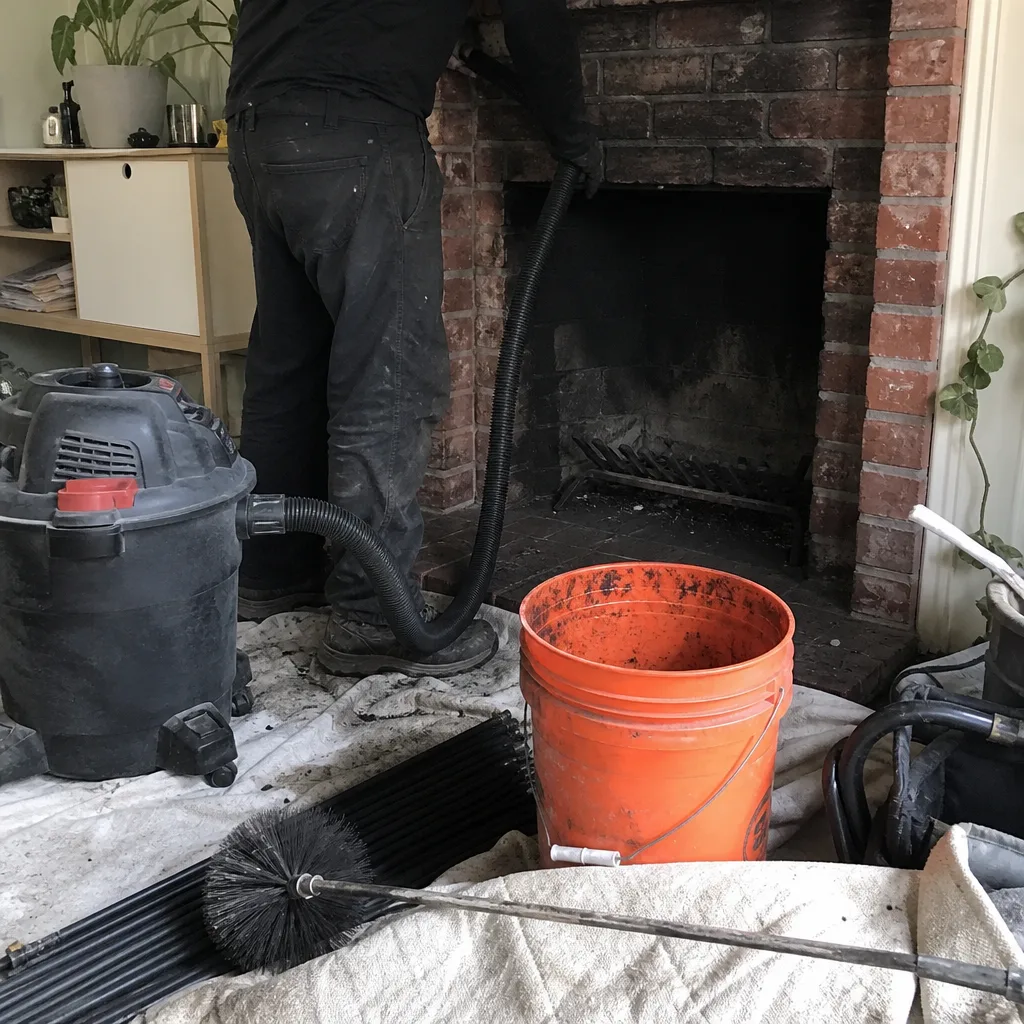 Before
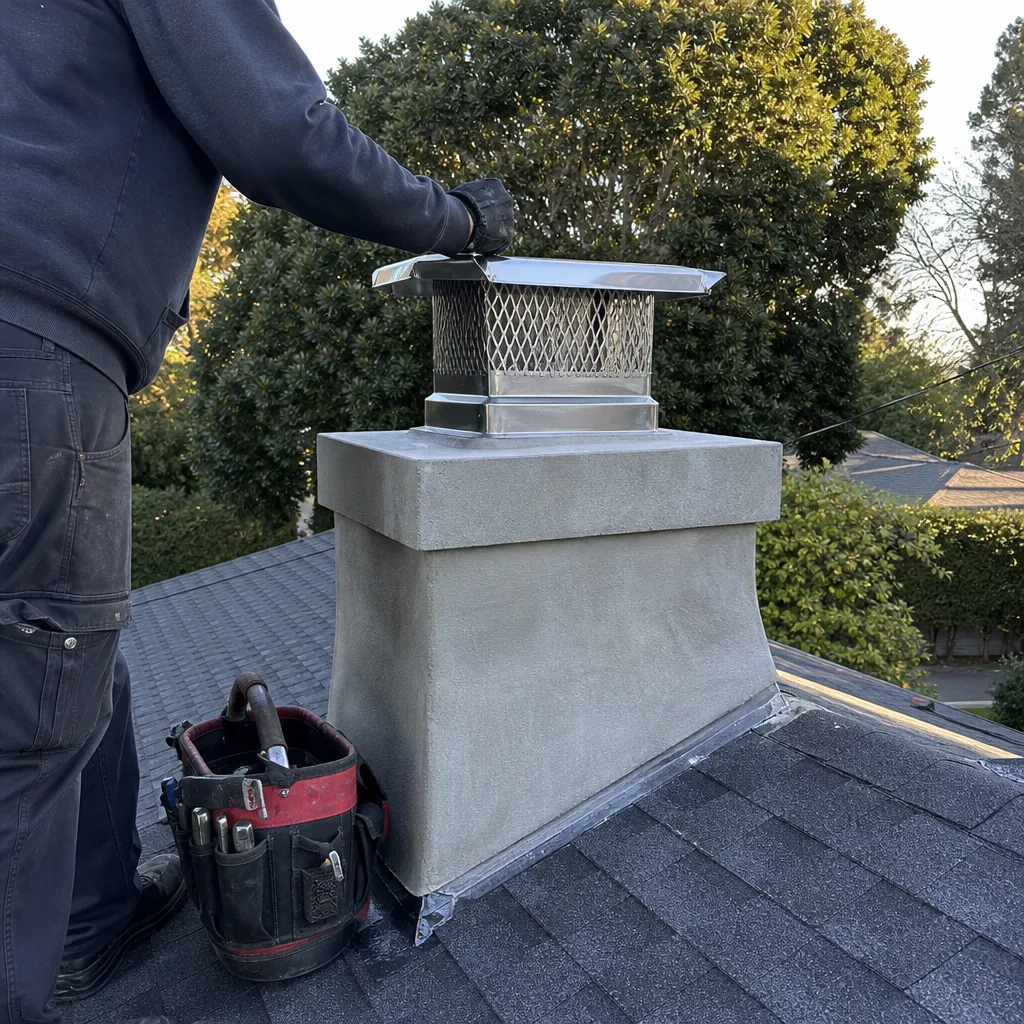 After
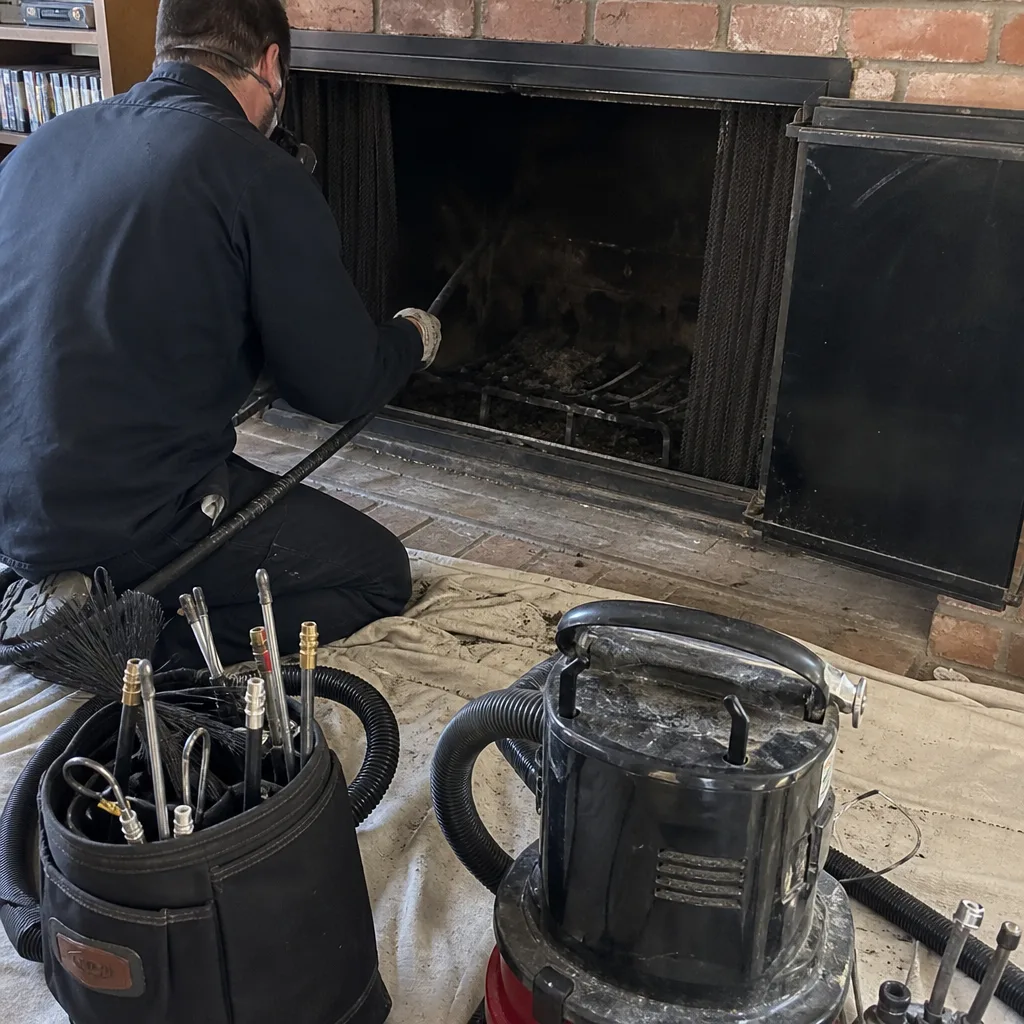 Before
 After
 Before
 After