
Last updated November 2, 2026
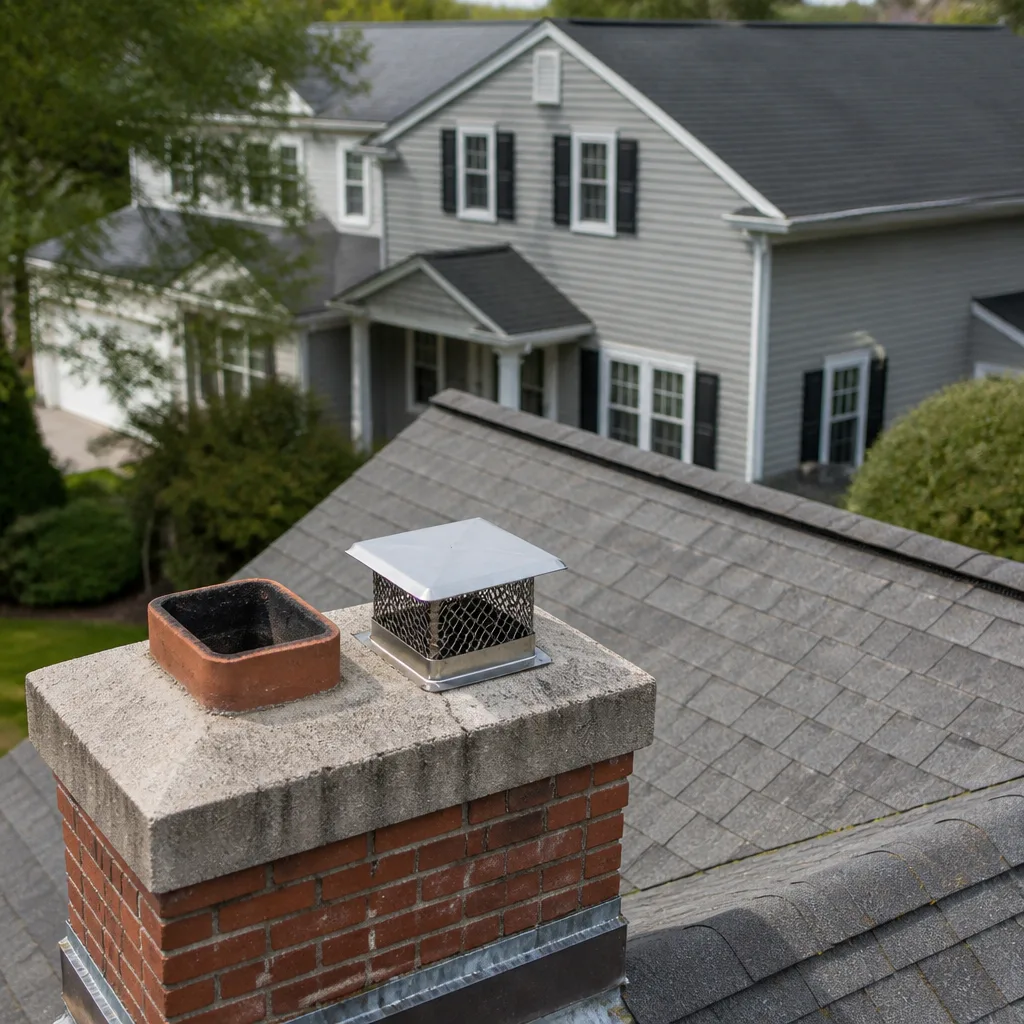 Sweep & inspection
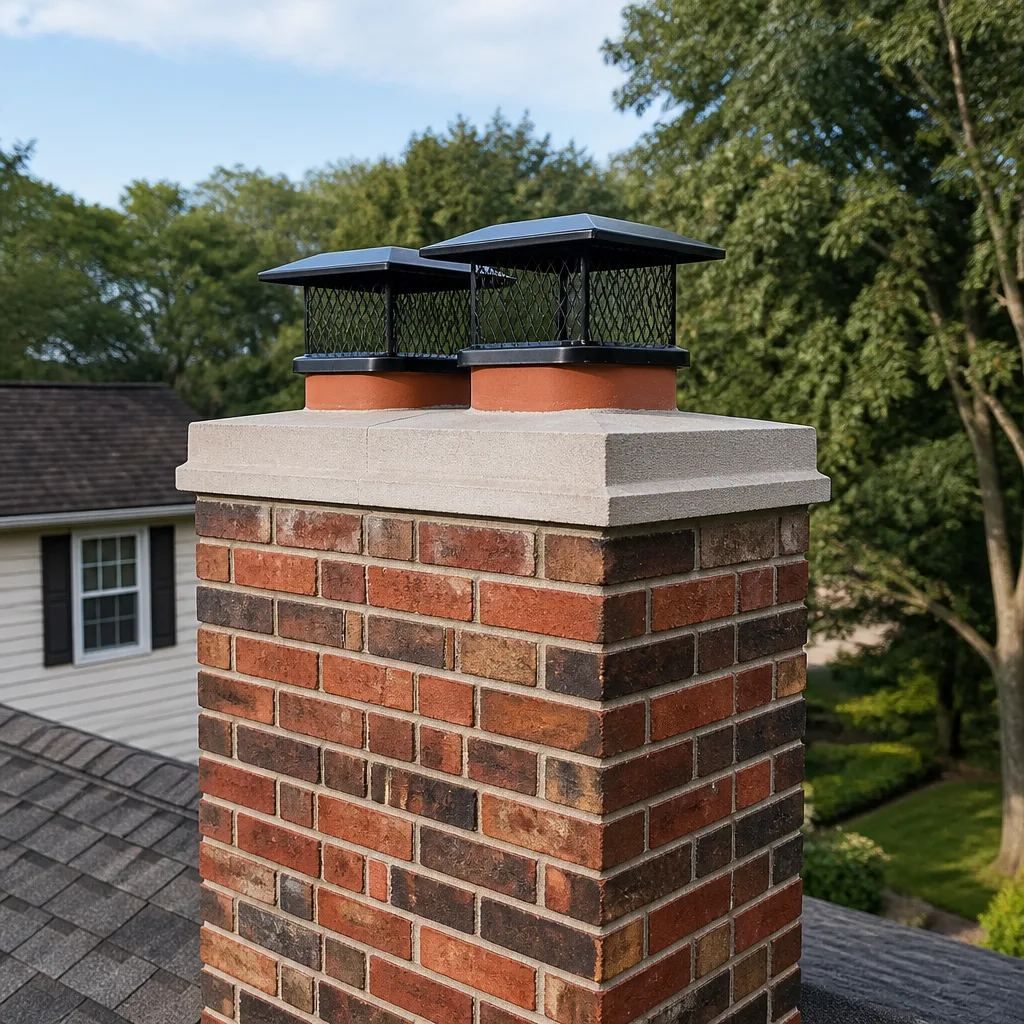 Caps & crowns
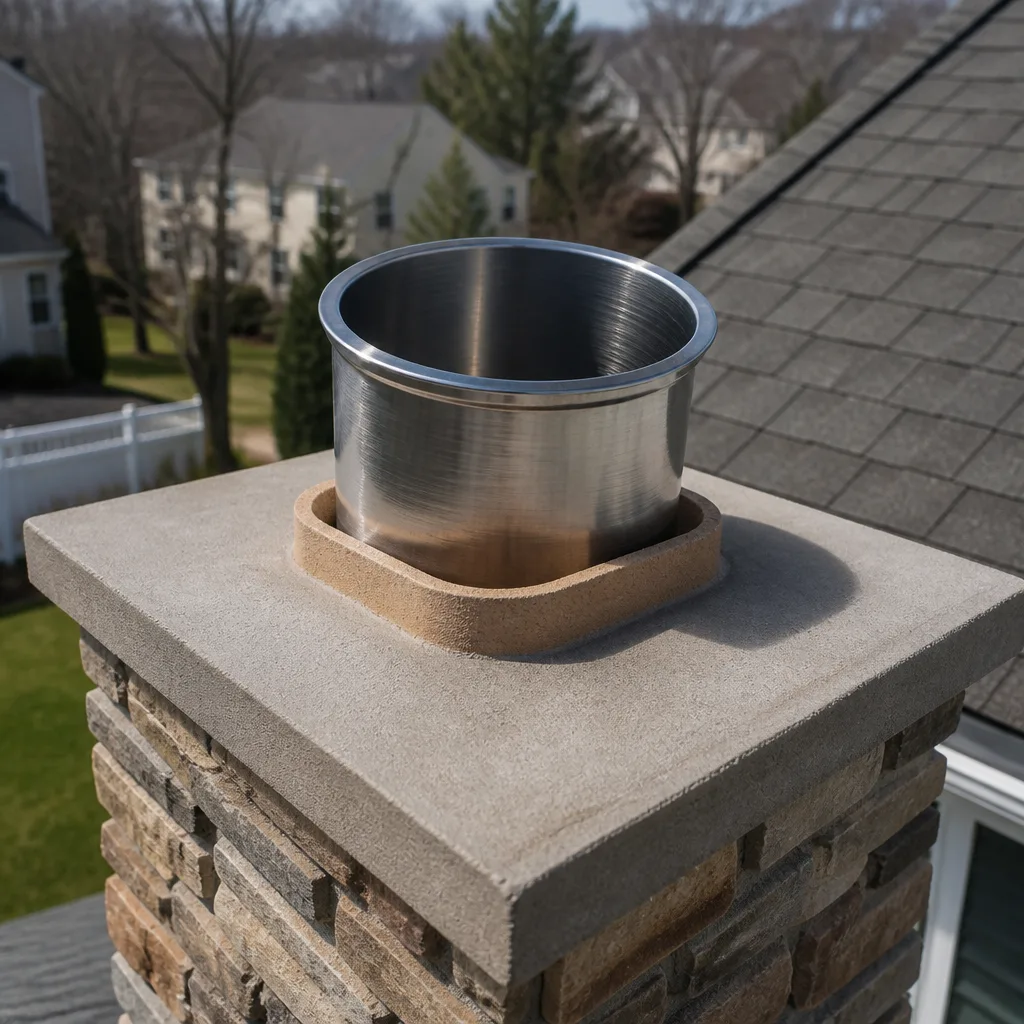 Flue relining
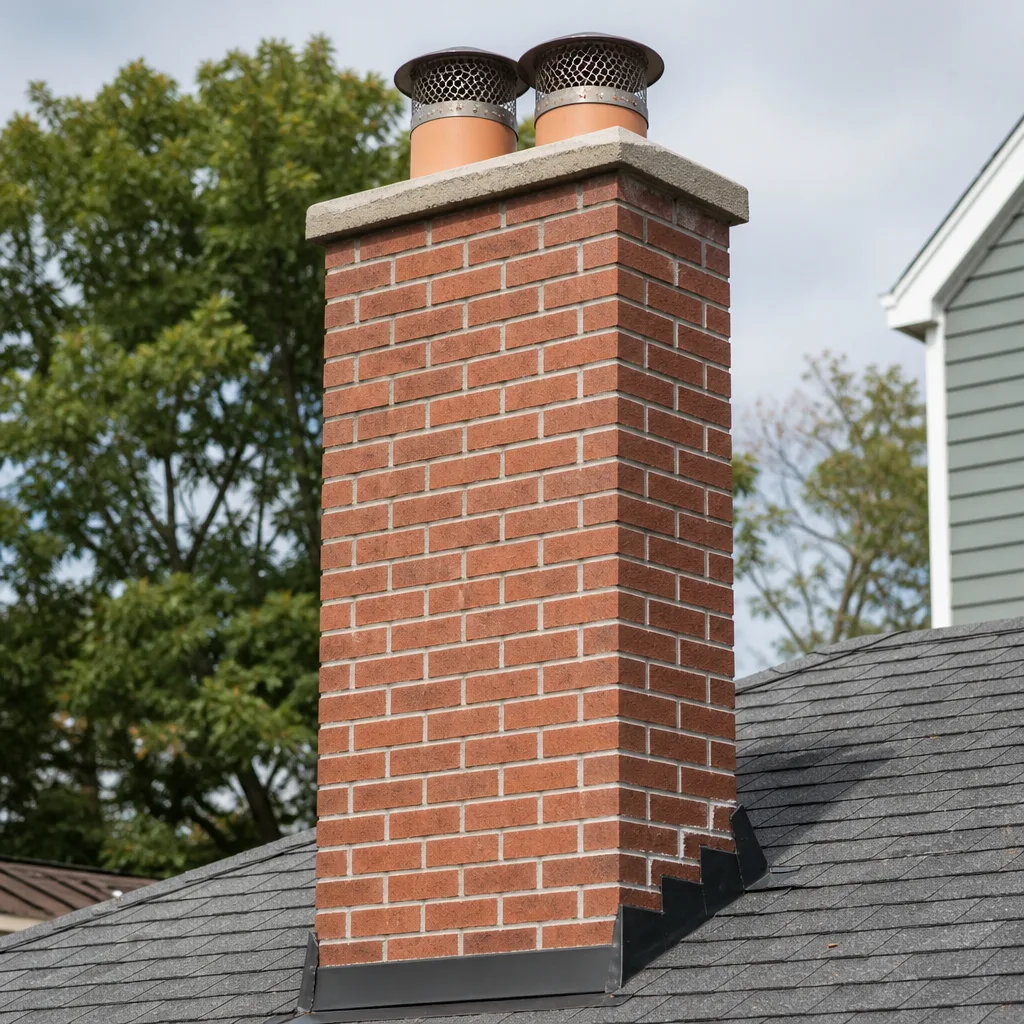 Masonry repair
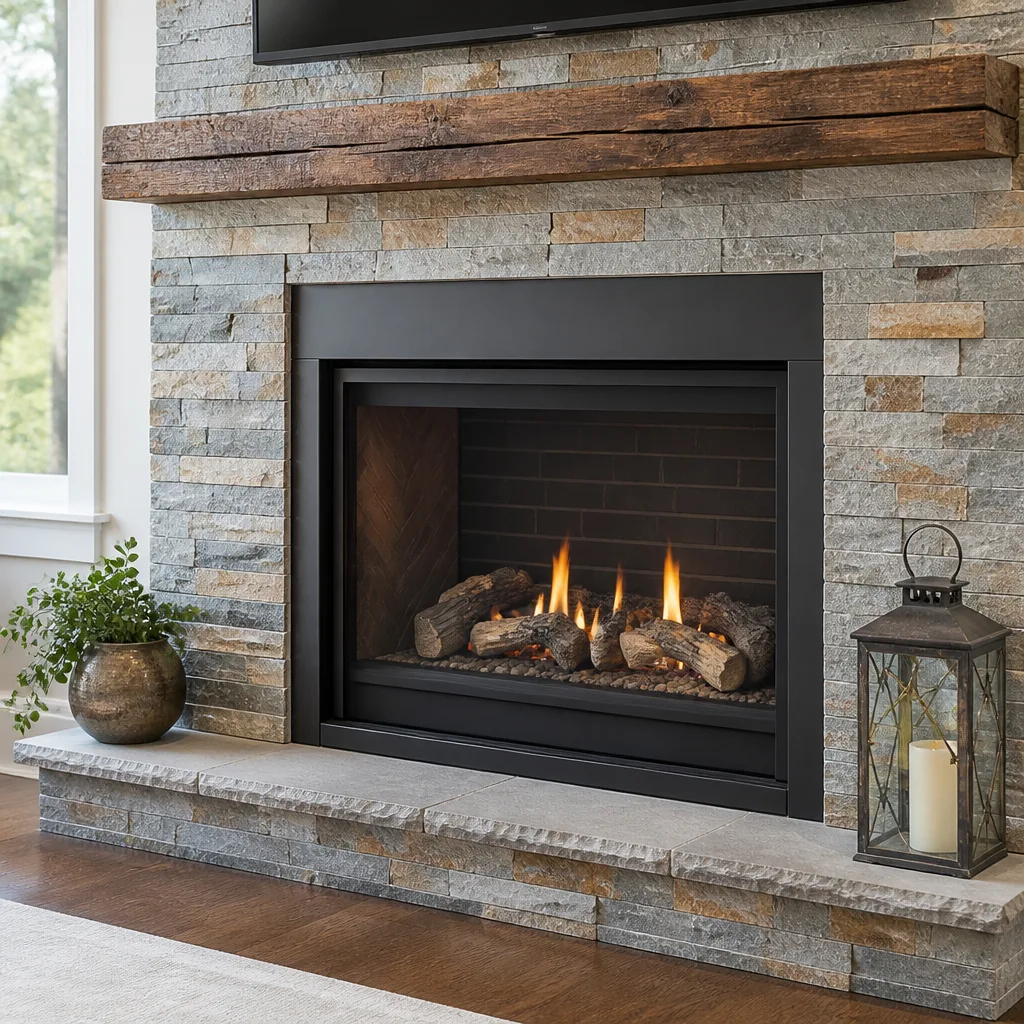 Gas fireplace service
Level 1 sweep and inspection to the NFPA 211 annual standard - flue, crown, cap, and flashing checked and photographed
Chimney sweep logs do not sweep chimneys. They loosen some creosote - which then falls where a brush and vacuum still have to collect it.
Chimney Cleaning Warning Signs: A Central-Alameda Homeowner’s Reference Guide
Most chimney warning sign guides open with smoke pouring into the living room. By then, you’re not catching an early signal – you’re dealing with a system that has already failed. This guide focuses instead on the subtle indicators that show up weeks or months before an emergency, and they’re the exact signs we see dismissed in Central-Alameda homes every year. You’ll learn what to look for from ground level, what certain smells mean about flue condition, and how to tell the difference between a cleaning you can schedule next month and a structural problem that shouldn’t wait another week. We’ll cover every warning sign that matters for a Central-Alameda chimney, including the humidity-driven ones most generic articles never mention.
Quick Answer
Chimney cleaning warning signs in Central-Alameda fall into four categories: persistent odors (especially musty or acidic smells on humid days), visible exterior damage (white staining, cracked mortar, spalling brick), draft problems (slow ignition, smoke spillage, weak flame), and interior buildup you can see with a flashlight. If you notice any of these, schedule a professional chimney sweep in Central-Alameda – and if you smell something sulfurous or see smoke entering the room, stop using the fireplace immediately and call a specialist.
Styles & brands we work with
- Sweep & inspection
- Caps & crowns
- Flue relining
- Masonry repair
- Gas fireplace service
Table of Contents
- Odor Signals Most People Ignore – and What They Mean
- Exterior Signs You Can Check From the Ground
- Draft and Combustion Problems That Point to a Dirty or Damaged Flue
- Flashlight Check: What to Look for Inside the Firebox and Damper
- Cleaning vs. Repair: How to Tell Which One You Need
- Risk Triage: Call Today vs. Schedule Within the Month
- How Central-Alameda’s Climate Speeds Up Chimney Problems
- Common Mistakes to Avoid
Odor Signals Most People Ignore – and What They Mean
A fireplace that hasn’t been lit since March has a smell. On humid summer mornings in Central-Alameda, that smell becomes impossible to miss. Musty, faintly acidic, almost like wet newspaper mixed with vinegar – that’s moisture interacting with creosote deposits inside your flue, and it’s one of the clearest early warnings that your chimney needs attention. Almost no one calls a chimney sweep because of a smell. Which means almost no one catches the problem before it becomes a repair bill.
Every odor type points to something different. Here’s what we’ve learned from years of diagnosing chimneys across Central-Alameda:
- Musty or damp odor: Moisture is getting into the flue. In Central-Alameda’s coastal air, this is often the result of a cracked chimney crown, damaged cap, or failing flashing where the chimney meets the roof. The moisture mixes with soot and creosote and creates a smell that’s strongest in the morning before the air dries out. This is a moisture problem first and a cleaning job second.
- Acidic or vinegar-like odor: Creosote deposits are actively degrading. Creosote is acidic by nature, and when humid air hits it, the odor intensifies. This is common in Central-Alameda because our humidity levels fluctuate sharply between foggy mornings and dry afternoons. If the smell is acidic, your flue has significant creosote buildup that needs removal before the next fire.
- Sulfurous or sulfur-like odor: This is the one to take seriously. Sulfur smells indicate combustion gases are not drafting properly – they’re lingering in the flue or backing down into the house. This can signal a blocked flue, a failing damper, or a liner problem. If you smell sulfur in your Central-Alameda home, stop using the fireplace and call immediately. Carbon monoxide travels with those gases, and it has no smell of its own.
- Smoky odor when the fireplace is cold: Downdraft is pushing old soot and ash back into the room. This often happens in specific wind conditions or when the flue is partially blocked. In neighborhoods closer to the Alameda shoreline, shifting bay winds can make this worse. A dirty flue restricts airflow and makes downdraft problems more pronounced.
The takeaway on odors: any smell from a cold fireplace is a signal that something is happening inside the flue. You cannot fix it by burning a candle in the firebox or opening a window. The smell is coming from inside the chimney system, and it will persist until the source is addressed.
Exterior Signs You Can Check From the Ground
You don’t need a ladder to check your chimney’s condition. From your yard, sidewalk, or driveway in Central-Alameda, you can spot three specific exterior warning signs that indicate a cleaning or repair is overdue. These are the same checks we perform on every inspection, and every one of them can be done safely from the ground with a pair of eyes and maybe binoculars if your chimney is tall.
- Efflorescence – white, chalky staining on the brick or masonry. This is mineral salt left behind when water evaporates from the masonry. On Central-Alameda chimneys, it’s especially common because salt-laced bay air accelerates the moisture cycling. The presence of efflorescence means water is penetrating the chimney structure. It’s not just cosmetic – trapped moisture weakens mortar joints and, combined with creosote inside the flue, accelerates deterioration. If you see white staining on your chimney, water is getting in, and the chimney needs to be evaluated before the next rainy season.
- Spalling brick or flaking masonry. Spalling is when the face of the brick breaks off or flakes away, often leaving fragments on the ground near the chimney base. This happens when moisture inside the brick expands and contracts with temperature changes. In Central-Alameda, our coastal temperature swings are modest compared to inland areas, but the constant humidity does the same work on a slower cycle. Spalling indicates structural weakening that will only progress. It means the masonry has absorbed water for a long time, and the chimney envelope needs repair.
- Cracks in the chimney crown. The crown is the concrete slab that caps the top of the chimney. Hairline cracks smaller than a dime’s width can let water in. Larger cracks mean the crown is failing. In Central-Alameda, you can often spot crown damage by looking for dark staining just below the top edge of the chimney – that staining is water running down from the crown and soaking into the brick. The crown is your chimney’s umbrella. When it leaks, everything below gets wet.
A word on what these exterior signs mean for cleaning specifically: all three bring water into the chimney system. Water plus creosote equals accelerated flue damage. So while a crack in the crown isn’t itself caused by a dirty chimney, it dramatically increases what a dirty chimney costs you. The two problems feed each other. That’s why we approach every chimney sweep with an eye toward structural issues as well – cleaning a flue without addressing water intrusion means you’ll be dealing with the same problem again in a year or two.
Draft and Combustion Problems That Point to a Dirty or Damaged Flue
Your fireplace’s performance tells you about flue condition. A clean, properly sized flue pulls air smoothly. A dirty or damaged flue fights the draft, and the symptoms show up in how your fire behaves. Central-Alameda fireplaces, especially older ones in homes built in the 1920s through 1950s, often have flues that were designed for different fuels than what homeowners burn today, which makes these performance signals even more important.
Here are the draft and combustion indicators that mean a cleaning is overdue:
- Slow ignition. Kindling takes longer to catch, or the fire needs significantly more paper and small wood to get going. A restricted flue reduces the air supply, and a weak initial draft makes everything harder to start. If your fires used to light easily and now require more effort, the flue is probably telling you something.
- Frequent smoke spillage. During startup, smoke puffs into the room instead of going up the flue. This is one of the most commonly ignored signs because it often resolves once the fire gets hot. But the fact that it happens at all means the draft is marginal – and a dirty flue is the most common cause.
- Flames burning unusually low or high. A lazy fire with low, weak flames suggests poor oxygen supply. A roaring fire that feels too intense for the amount of wood you burned can indicate excess draft, which itself can signal a damaged or improperly functioning damper. Both extremes are worth a professional look.
- Smoke that lingers or hangs near the ceiling. A properly drafted fireplace sends combustion gases up and out. If you notice a haze near the ceiling, or if your smoke detectors are sensitive in the room even when the fire looks fine, the flue is not doing its job.
- Wind-sensitive performance. In Central-Alameda, bay winds shift through the day. If your fireplace smokes when the wind comes from a particular direction, that’s often the wind finding an opening – a damaged cap, a crack in the flue, or a dirty chimney that’s narrowing the draft pathway.
Any persistent draft problem merits a professional inspection. In our experience, the vast majority of Central-Alameda draft issues trace back to creosote buildup narrowing the flue. Cleaning solves it. When cleaning doesn’t solve it, the problem is structural – and that’s when a full repair evaluation comes next.
Flashlight Check: What to Look for Inside the Firebox and Damper
Five minutes with a flashlight will tell you more about your chimney’s condition than a year of casual observation. Here’s what to check in your Central-Alameda fireplace, what the findings mean, and how to tell if you’re looking at a cleaning issue or a repair issue.
The Damper
Open the damper and look at it directly. The damper is the metal door that closes off the flue when the fireplace isn’t in use. Surface rust on the damper is normal and doesn’t mean much in Central-Alameda’s coastal air. But if the damper is difficult to move, if it doesn’t seal completely, or if you can see rust eating through the metal, water has been getting in. A damper that won’t operate properly points to a repair need, not just a cleaning. And a damper that doesn’t seal lets warm house air escape into the chimney year-round, while letting cold, damp outside air descend into the flue.
The Firebox Walls
Shine the flashlight at all four walls of the firebox. Soot on the walls is normal. What you’re checking for is the form that buildup takes. If the soot looks black and fluffy or flaky, that’s normal combustion byproduct and a standard cleaning will address it. If you see shiny, tar-like black deposits that look glazed or wet, that’s creosote in its most dangerous form – stage three creosote – and it poses a genuine chimney fire risk. Creosote ignites at temperatures a normal fireplace fire can easily reach. If you see glaze-like deposits, call for a professional sweep before your next fire.
The Throat and Flue Interior
With the damper open, point the flashlight up the throat of the flue. What you can see from this angle is limited, but it will tell you something. A clean flue liner will look smooth and consistent. A dirty flue will show lumpy, uneven buildup – creosote sticking to the liner walls, narrowing the passage and creating an obstruction to the draft. If you see dangling material, bird nesting debris, or any foreign object, the flue is blocked, and a cleaning is urgent.
What you’re looking for here, in every case, is the shape of the problem: a flat, fluffy layer of soot says clean me. Glossy, hard deposits or visible damage to the liner itself say clean and repair. The distinction matters because knowing what you’re seeing helps you understand what a contractor is recommending and why. A good chimney repair in Central-Alameda starts with a clean flue so the actual liner condition can be seen.
Cleaning vs. Repair: How to Tell Which One You Need
Not every warning sign means the same thing, and knowing the difference between a cleaning issue and a repair issue will help you understand what a technician recommends and why. It will also help you hold contractors to account – a sweep that finds a problem should be able to show it to you, not just describe it.
Here’s the breakdown of warning signs by required action:
Cleaning Solves These:
- Musty or acidic odors from creosote and moisture interacting
- Black, sooty buildup on firebox walls and visible flue interior
- Slow ignition and weak draft
- A smoky smell when the fireplace is not in use
- Visible ash or soot particles around the room
- Downdraft caused by a partially obstructed flue (when the obstruction is creosote buildup)
Repair Is Needed for These:
- Cracked chimney crown
- Spalling brick or failing mortar joints
- Rusted or non-functional damper
- Stage-three or glazed creosote (removal is more intensive, and underlying liner damage is common)
- Sulfurous odor (indicates a drafting failure that is often structural)
- White efflorescence staining that appears repeatedly after cleaning
Where it gets complicated is when both are needed. That’s common. A dirty flue often hides liner damage, and a proper cleaning reveals it. This is one of the reasons Tidewater Chimney Sweep home approaches every job by cleaning first and then evaluating whatever the cleaning exposes. If the liner needs repair, we can apply HeatShield, a restoration system that coats and seals the existing liner from the inside – many chimney companies in Central-Alameda aren’t set up to offer it. But we will not recommend it unless the cleaning exposes a genuine need, and we’ll show you the camera footage that justifies the recommendation. No one should take a liner repair recommendation on faith.
Risk Triage: Call Today vs. Schedule Within the Month
Not every warning sign carries the same urgency. Here’s a practical framework for deciding how quickly to act on what you’re seeing or smelling, based on the actual fire and structural hazards involved.
Call Today – Stop Using the Fireplace:
- Sulfurous odor or smoke entering the room. This means combustion gases are not venting. The main hazard here is not fire, it’s carbon monoxide. A blocked or failing flue puts those gases into your living space. Stop burning fires and call a professional immediately.
- Glazed or shiny creosote deposits visible inside the firebox or flue. This is the fuel for chimney fires, which burn extremely hot and can crack flue tiles, damage the chimney structure, and spread to the home. This is not a next-month problem.
- Visible sparks or embers exiting the chimney top. If you see this during a fire, you may already be experiencing a chimney fire. Call the fire department if the fire is ongoing, then call a professional once the fire is out.
- Recent water intrusion after a storm. Heavy rain combined with a known or suspected crown crack means water is actively entering the masonry and flue. Moisture accelerates damage quickly, and the sooner it’s stopped, the less repair work is needed.
Schedule Within the Month:
- Musty or acidic odor in warm weather. This points to creosote buildup and moisture, which will continue to degrade the liner over time. It’s not an immediate safety hazard, but it should not be ignored for another season.
- Efflorescence or crown cracking visible from the ground. Structural deterioration is slow but steady. Within the month is a reasonable timeline.
- Slow ignition or minor smoke spillage during startup. This is often a cleaning issue, and cleaning now means you’ll be ready for burning season before it starts.
- Fluffy, black soot visible in the flue. A standard cleaning will address it, and doing it before the rainy season is the smart play in Central-Alameda.
If you’re not sure which category your situation falls into, err on the side of calling. A professional can tell you in one visit whether you’re fine or whether you need to take the fireplace out of service. It’s better than guessing.
How Central-Alameda’s Climate Speeds Up Chimney Problems
Central-Alameda’s specific climate makes chimney maintenance different here than it is in Sacramento or Oakland. If you’ve lived in Central-Alameda for a full year, you’ve noticed how the air behaves: mornings can be heavy with fog, afternoons often burn clear, and the humidity shifts noticeably through the day, especially during summer. That constant cycling matters for chimneys.
In most inland climates, chimneys experience water as rain – periodic, predictable events. In Central-Alameda, water exposure is ambient and constant. Humid air penetrates masonry year-round. Fog condenses on brick and works its way into pores. When the afternoon sun dries the surface, the moisture inside evaporates, and the cycle repeats daily for months. This is why efflorescence shows up on Central-Alameda chimneys even in dry years. It’s also why creosote deposits in the flue stay damp longer, making the odor problem worse and speeding up the chemical degradation of liners.
What this means for homeowners in Central-Alameda:
- Chimney inspections matter more here than in drier cities. The moisture cycle accelerates every deterioration process, and catching problems early in a coastal climate means catching them at a stage when they’re still cheap to fix.
- Burning season-prep should happen in late summer or early fall. Don’t wait until November. By then, Central-Alameda’s damp air will have been working on your chimney for six months, and any issues will be more advanced.
- Water you can’t see is still doing damage. You don’t need a roof leak for your chimney to be wet. In Central-Alameda, the air itself supplies the moisture.
This is also why we stock and install professional-grade materials rather than big-box substitutes. A chimney cap made of thinner metal will fail faster in a coastal environment than one from Olympia Chimney or a liner installed with DuraFlex components. The materials matter more when the environment is constantly working against you. Tidewater Chimney Sweep serves the entire Central-Alameda area, and we spec materials for this climate specifically.
Common Mistakes to Avoid
- Waiting until you see smoke before calling. Smoke in the room is not an early warning sign – it’s a failure. By the time smoke is spilling into your Central-Alameda living room, the draft has already collapsed, and the flue likely needed cleaning months earlier. Learn the earlier signals and act on them.
- Burning green or wet wood because it’s what you have. Unseasoned wood produces dramatically more creosote than dry wood. In Central-Alameda’s humid air, properly seasoned firewood should be stored under cover and allowed to dry thoroughly. If the wood hisses when it burns, it’s too wet, and the creosote is accumulating faster than you realize.
- Ignoring smells because they’re “normal for an old house.” Some smells are normal for old houses. Musty or acidic smells coming specifically from the fireplace are not. They indicate a chimney problem. Treat that smell as data, not ambience.
- Closing the damper and forgetting about the chimney all summer. A closed damper traps moisture and air in the flue, where it sits and works on whatever deposits are there. In Central-Alameda’s foggy summer mornings, that trapped air is wet air. The flue benefits from ventilation – something a chimney professional can assess and address.
- Assuming a gas insert means you never need the chimney cleaned. Gas fireplaces still produce acidic exhaust that can corrode flue liners, and the chimney structure still faces all the same exterior water issues as any other chimney. A gas insert doesn’t exempt you from chimney maintenance. It changes what the maintenance looks like, but it’s not a free pass.
- Treating a chimney sweep and a chimney inspection as two separate things. Every professional cleaning should include a full inspection of the flue’s mechanical and structural condition. If someone offers a “sweep only” without looking at anything else, you’re getting half a service. The cleaning is important, but the inspection is where the real value comes from – it finds the next problem before it finds you.
- Ignoring your dryer vent because it’s not a chimney. Dryer vent cleaning in Central-Alameda addresses one of the leading causes of residential fires in the United States – and your chimney company is best equipped to handle it because the venting dynamics and safety stakes are the same. Lint buildup is to your dryer vent what creosote is to your chimney: a fuel source waiting for a spark. Tidewater addresses both fire hazards with one call.
When to Call a Professional
Call when a warning sign doesn’t go away on its own. Smells that persist for weeks, draft problems you’ve noticed more than twice, exterior cracking or staining you’ve confirmed from the ground – these are all signals that don’t self-correct. The chimney isn’t going to clean itself, and the underlying problems don’t get cheaper with time. A professional chimney sweep in Central-Alameda will clean the flue, inspect the structure, and give you a straight answer about what needs attention now versus what can wait. If the inspection turns up liner damage, a specialist can handle both the diagnosis and the fix – in our case, that means chimney repair in Central-Alameda using HeatShield restoration or DuraFlex liner systems as appropriate, with no need to bring in a separate contractor. Tidewater Chimney Sweep offers free estimates in Central-Alameda. Call (866) 282-7014.
See the difference
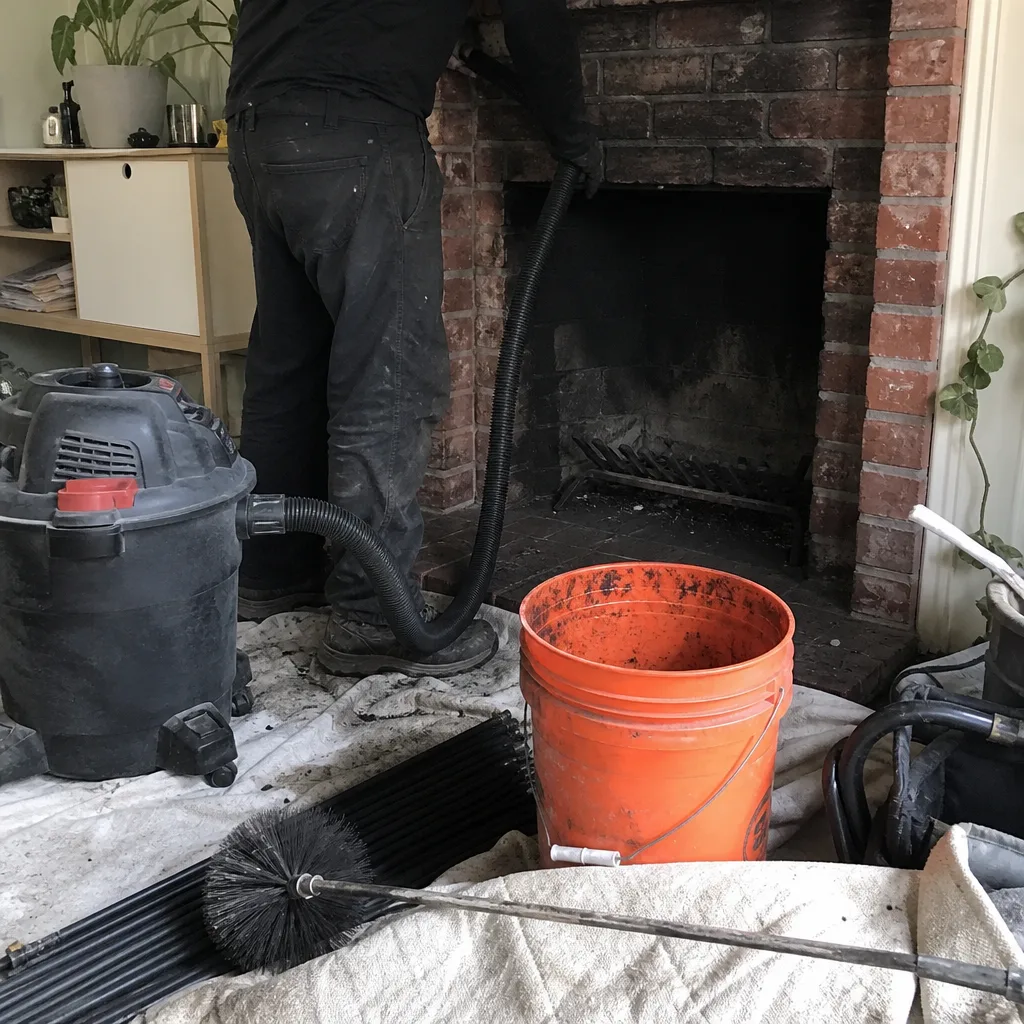 Before
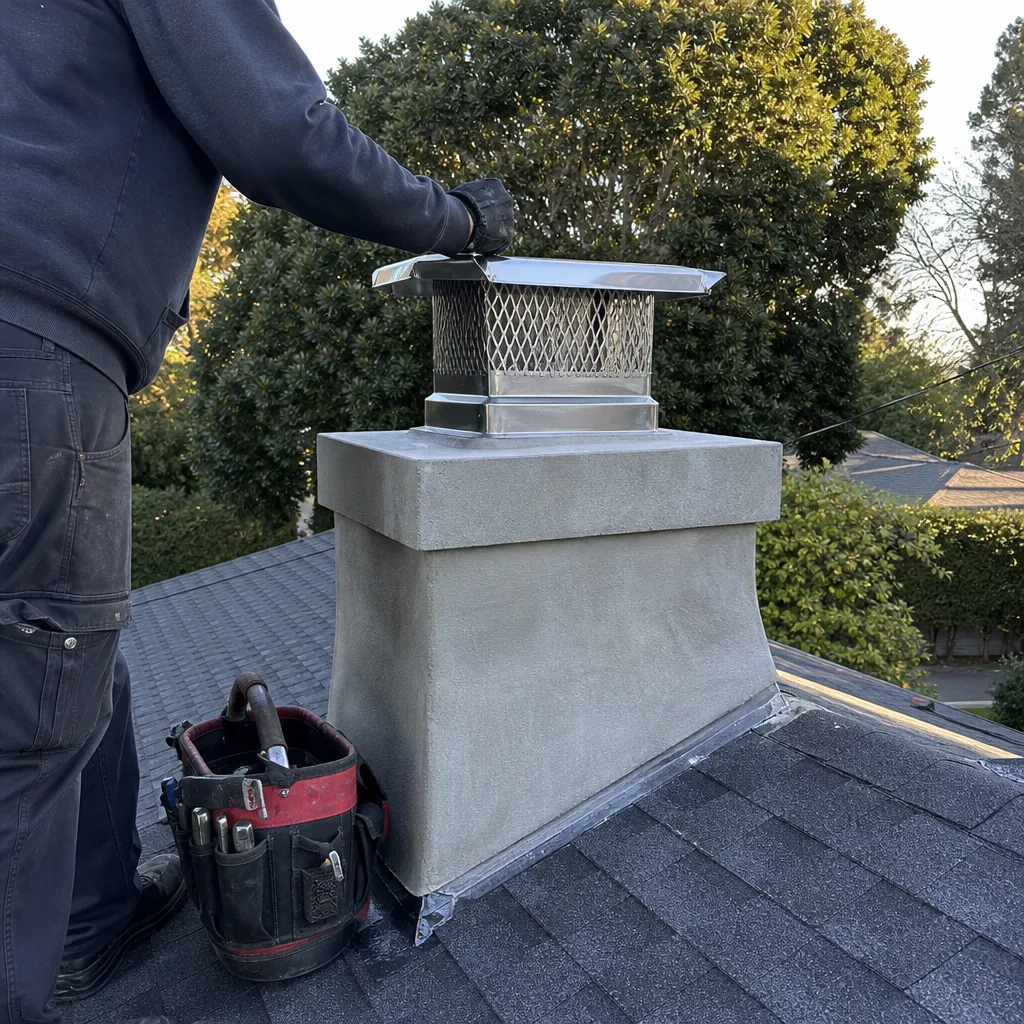 After
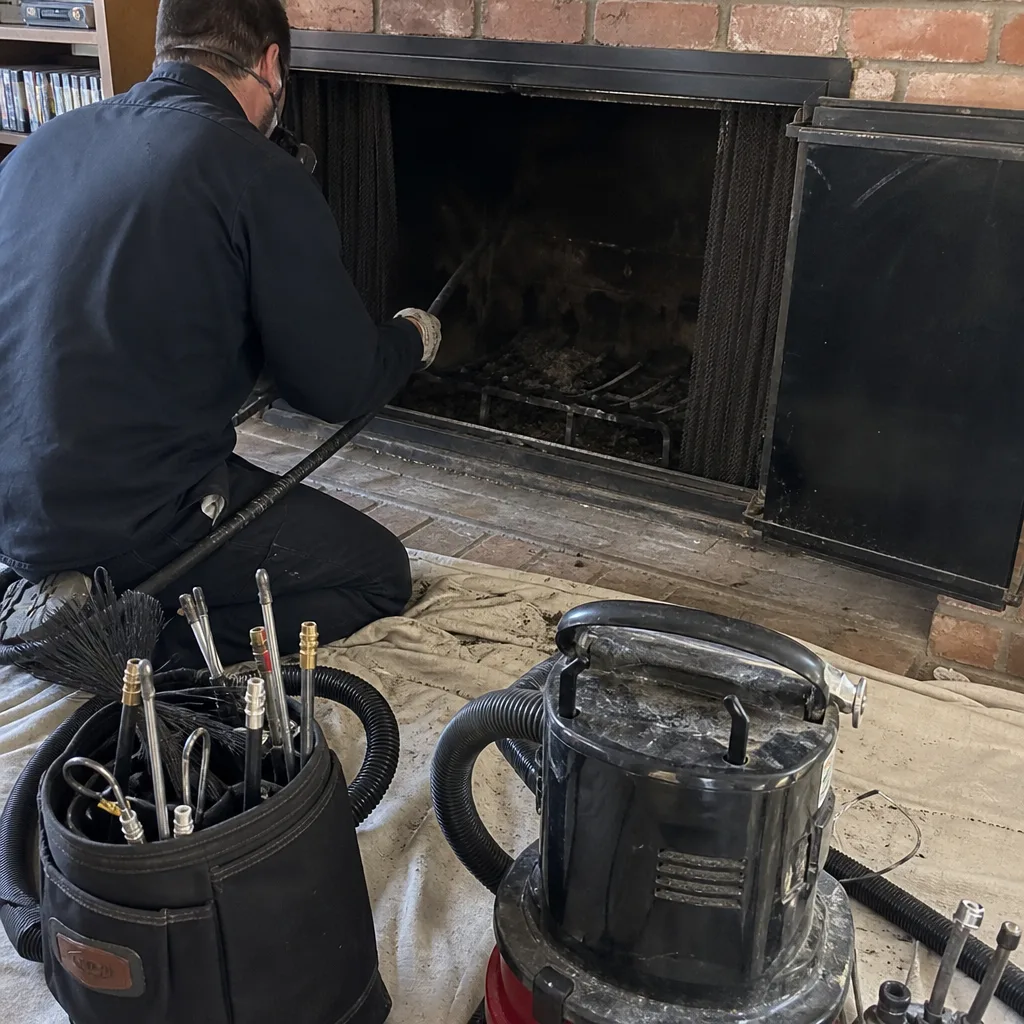 Before
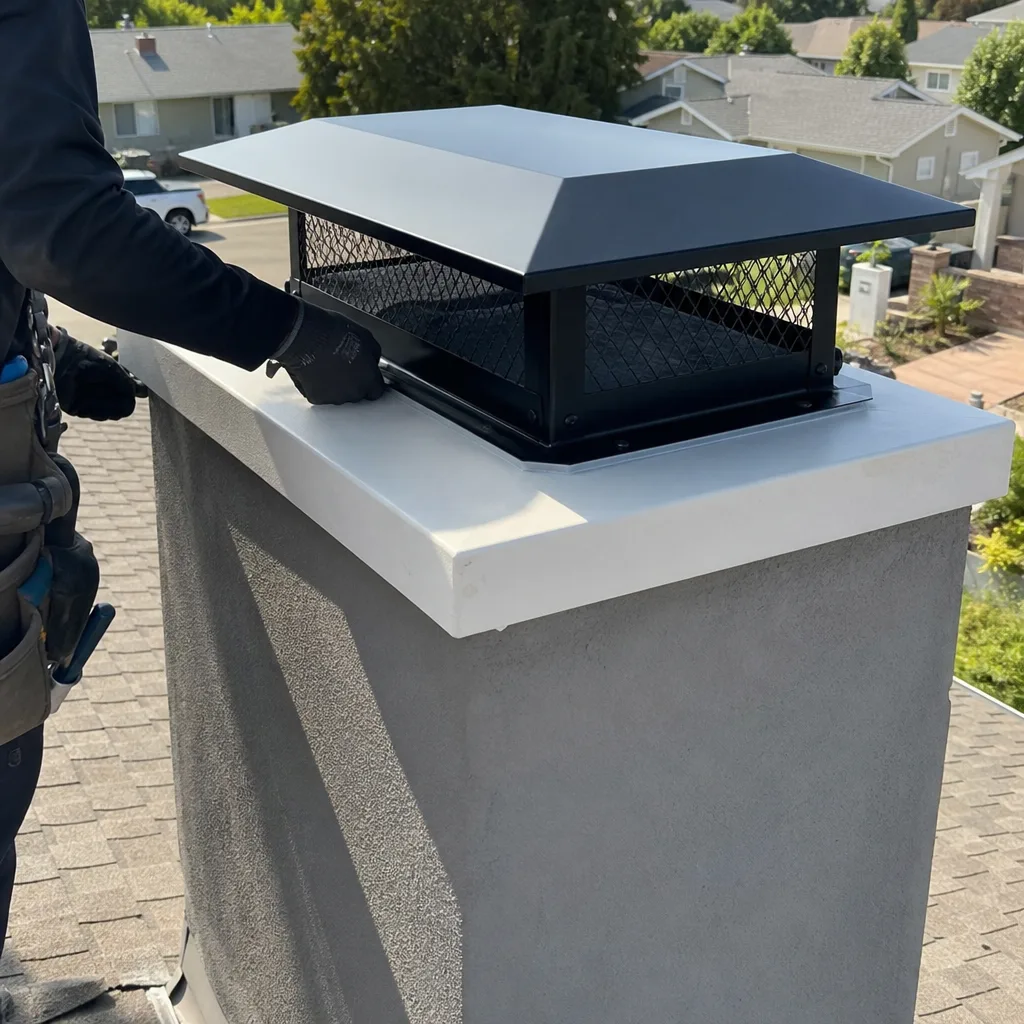 After
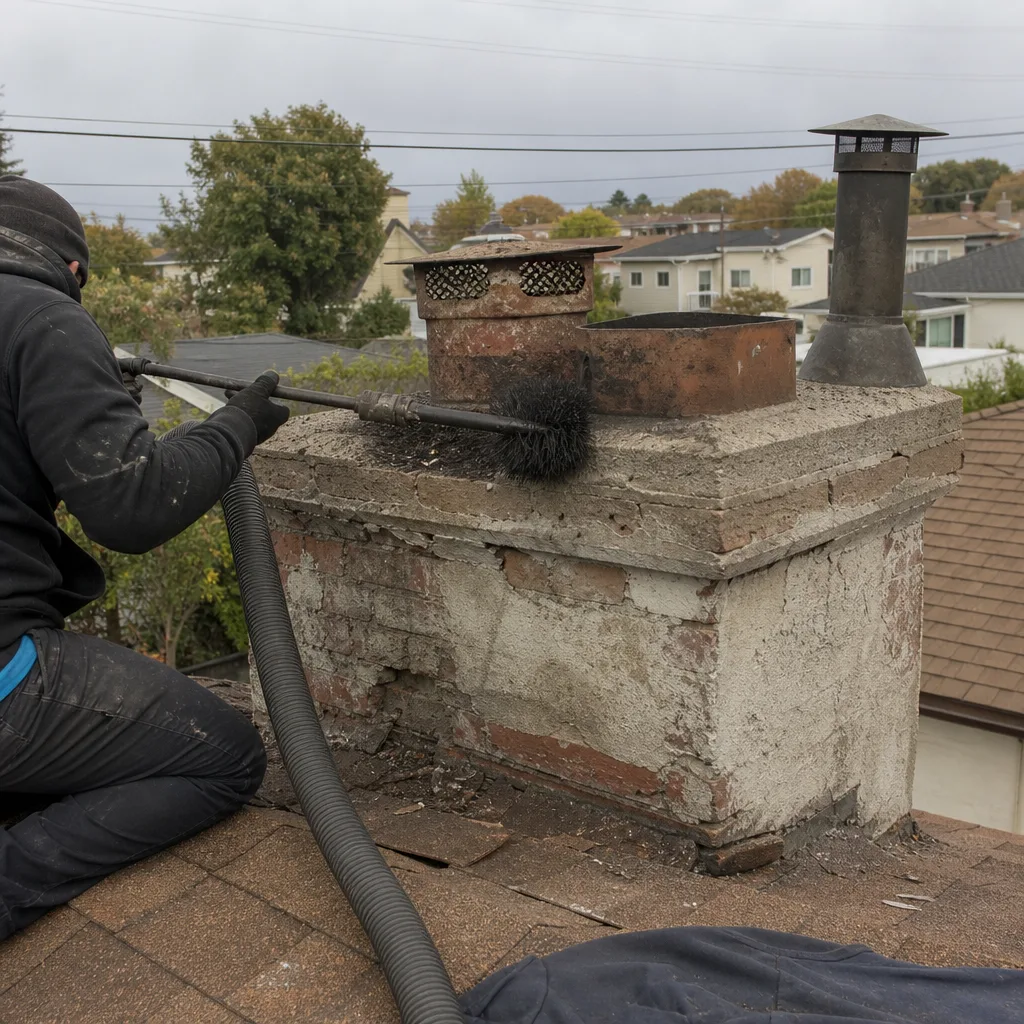 Before
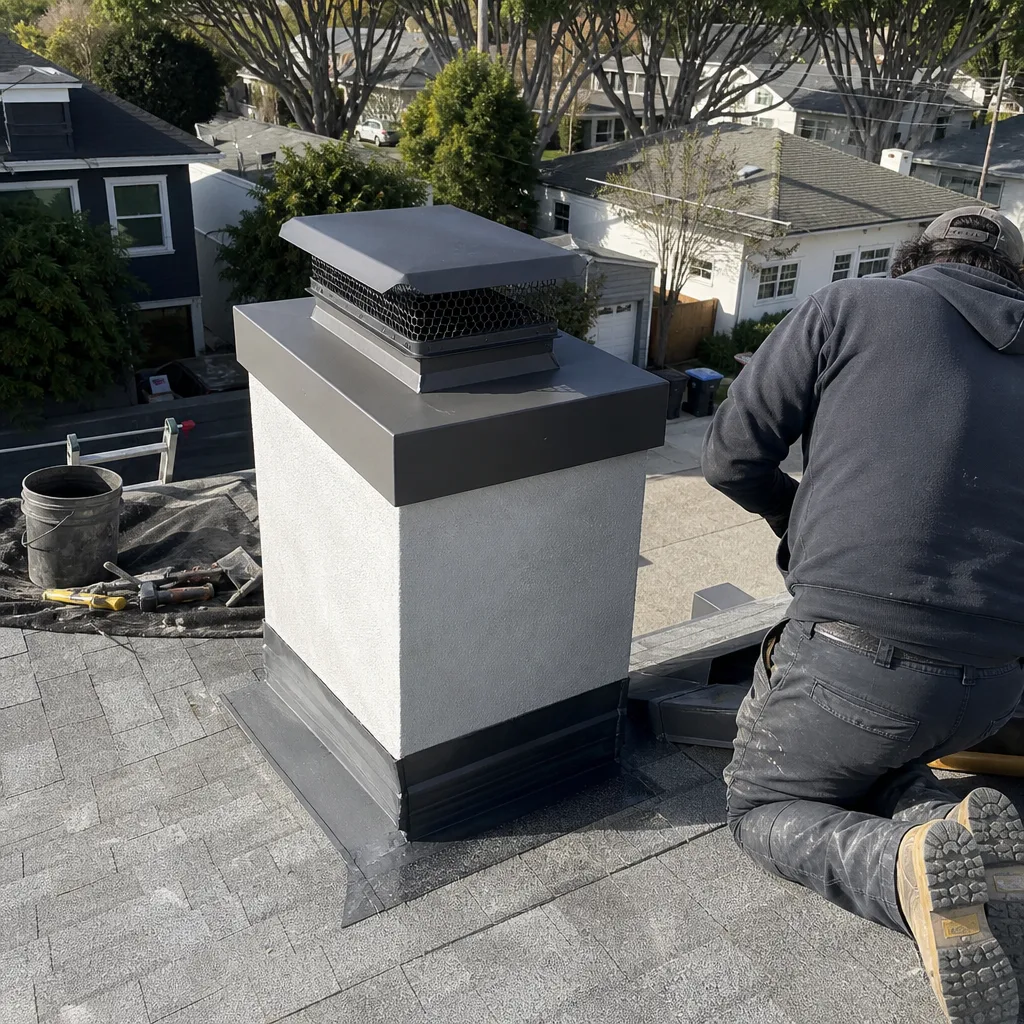 After
Frequently Asked Questions
You’ll typically notice one or more of four signals: a musty or acidic odor from the fireplace when it’s not in use, visible dark buildup on the firebox walls or inside the flue, draft problems like slow ignition or smoke spillage, or exterior signs like white staining or cracked mortar. Any one of these is sufficient reason to schedule a professional inspection. In Central-Alameda, the odor signal is often the first to appear because our humid air activates the smell of damp creosote. Call (866) 282-7014 for a free estimate.
The National Fire Protection Association recommends a cleaning and inspection at least once per year for wood-burning fireplaces. In Central-Alameda, that guidance holds, but your personal burn rate matters: if you burn more than two cords per season, or if you burn softer woods like pine, you may need a mid-season cleaning. The practical answer for most Central-Alameda homeowners is to schedule an annual sweep in late summer or early fall, before the burning season starts, so any problems are caught before the fireplace goes into heavy use.
Creosote has several smell profiles depending on its stage and moisture level. In its early stages, it can smell like burnt tar or asphalt. When it’s damp – which is common in Central-Alameda’s coastal air – the odor shifts toward a strong, musty, acidic smell that’s often compared to vinegar or damp newspaper. If your fireplace sends a sharp or sour smell into the room when the house is warm and humid, that’s likely damp creosote. If you smell something sulfurous, that’s different and more urgent – it means combustion gases are not drafting properly.
Yes. A dirty chimney can make your house smell even in the off-season. Creosote deposits inside the flue release odor when exposed to humidity, and Central-Alameda’s warm, foggy summer mornings create ideal conditions for that smell to become noticeable. The odor comes up through the damper and into the room. If you smell your fireplace when it hasn’t been lit in months, the chimney needs cleaning, and there may also be water getting in. Both should be checked.
A cleaning removes the soot and creosote from the flue. An inspection evaluates the condition of the entire chimney system: the liner, the crown, the damper, the flashing, the masonry, and the firebox. The two are usually done together – in fact, every professional chimney cleaning should include an inspection as part of the service. The cleaning reveals what’s underneath the buildup, and the inspection interprets what you’re seeing. If you’re scheduling a chimney sweep in Central-Alameda, make sure the service includes a full structural assessment, not just a brush through the flue.
Gas fireplaces and inserts produce less particulate than wood, but they still produce acidic exhaust that can gradually corrode a flue liner, and the chimney structure still faces all the same exterior water problems as any other. The cleaning frequency is generally lower for gas, but the inspection need is the same. In Central-Alameda, gas fireplace chimneys should be inspected at least every other year, and cleaned whenever the inspection finds buildup or obstruction. An annual checkup is the safe habit.
The Bottom Line
Your chimney tells you when it needs help. The signals are there – smells on humid mornings, staining on the brick, fires that don’t burn the way they used to, deposits you can find with a flashlight. The question is whether you’re reading them. In Central-Alameda, our coastal climate accelerates every one of these processes, and catching a warning sign early is the difference between a scheduled cleaning and a structural repair. Learn to check your chimney the way we check it – from the ground, with a flashlight, and with an ear to the draft – and you’ll know when it’s time to call. And when you do call, call someone who can do the whole job, not just the first half of it.
Written by the team at Tidewater Chimney Sweep, serving Central-Alameda since 2012.