
Last updated November 2, 2026
 Sweep & inspection
 Caps & crowns
 Flue relining
 Masonry repair
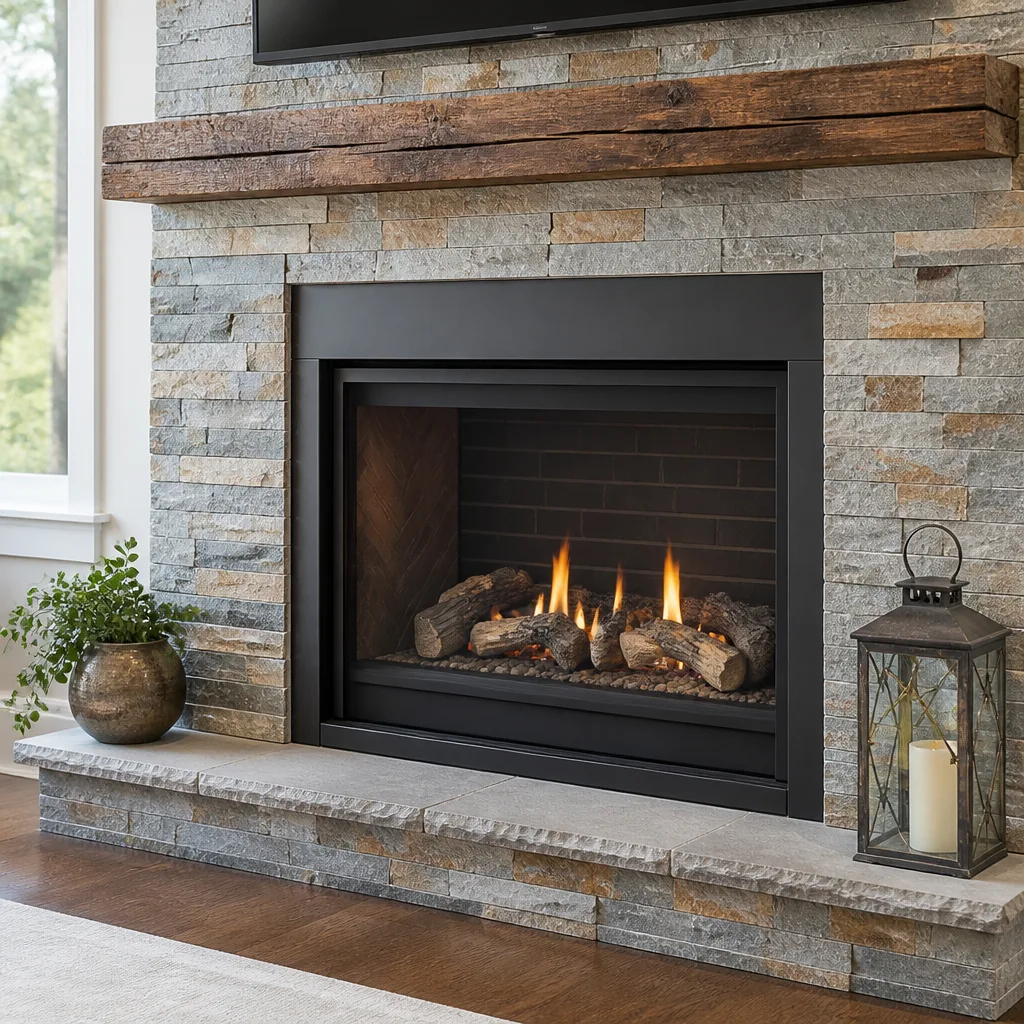 Gas fireplace service
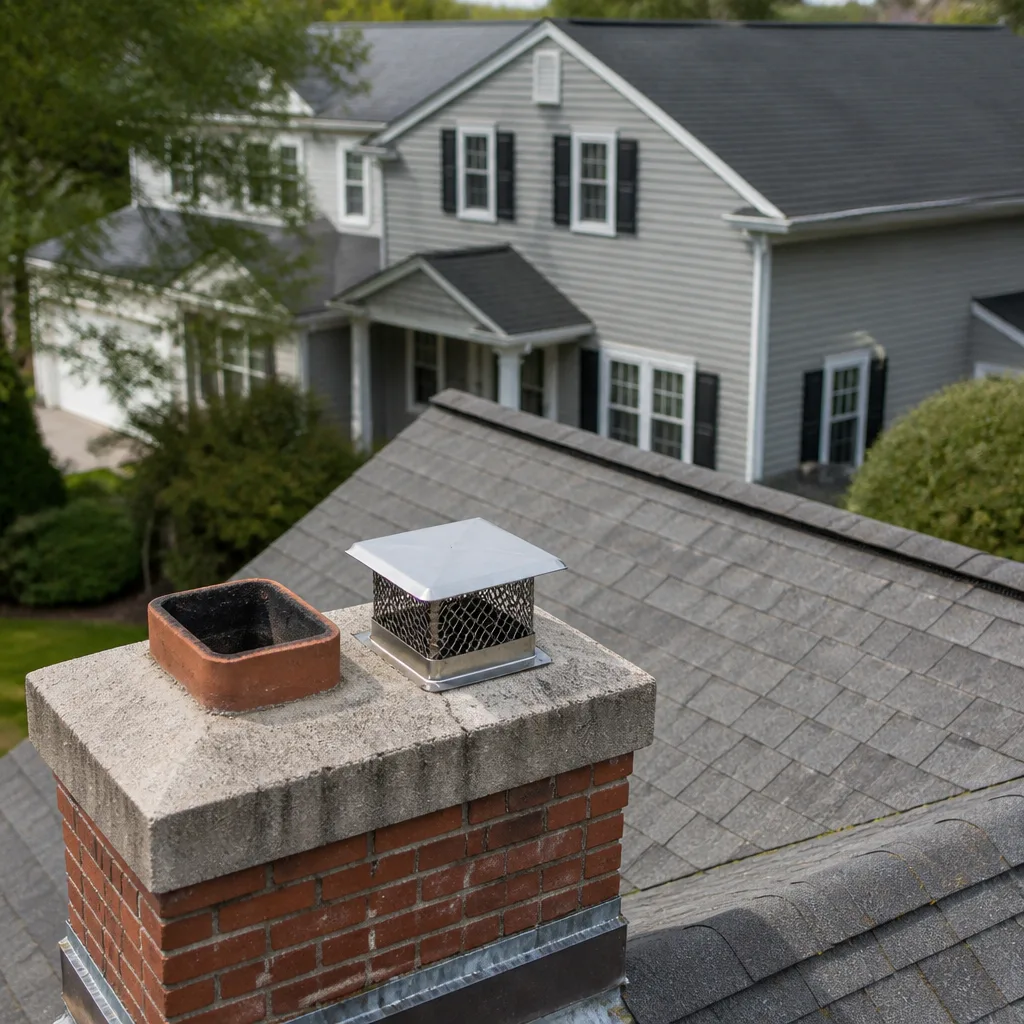
Level 1 sweep and inspection to the NFPA 211 annual standard - flue, crown, cap, and flashing checked and photographed
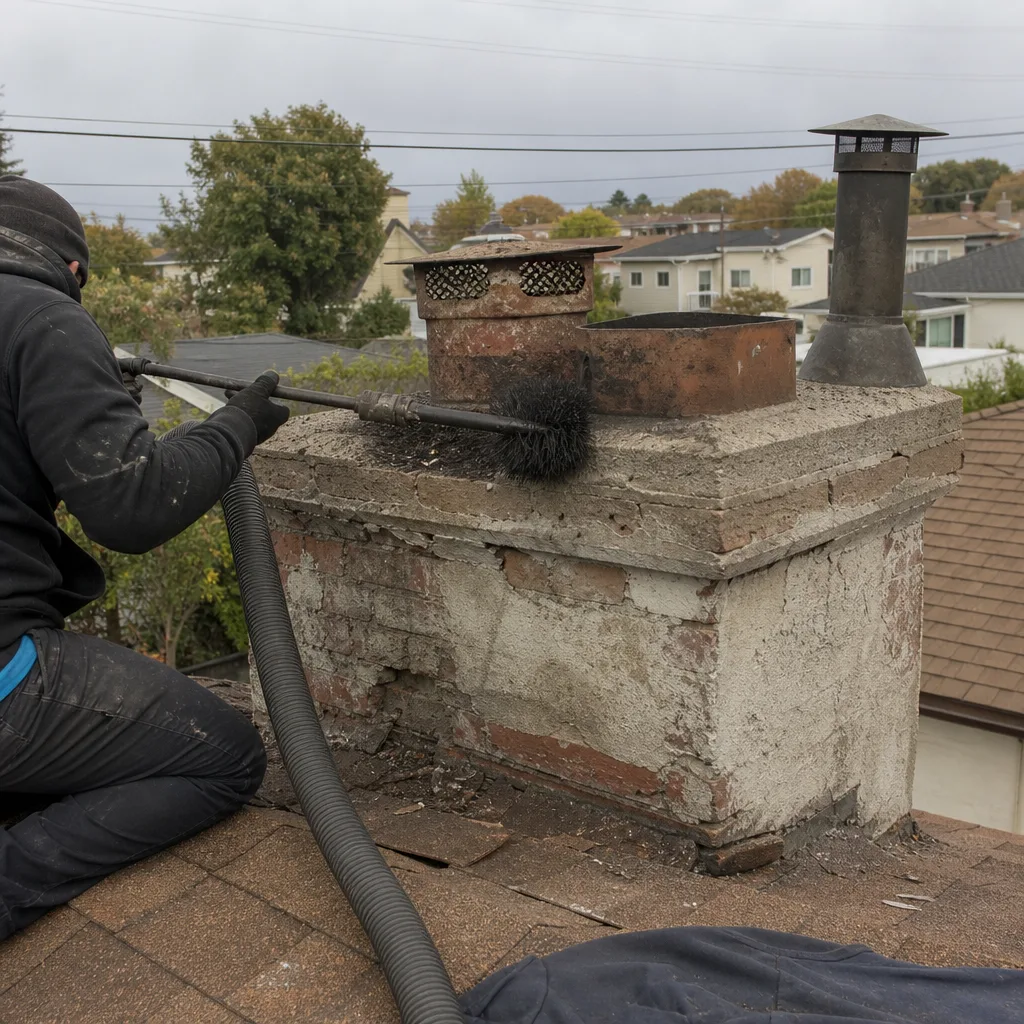
Chimney sweep logs do not sweep chimneys. They loosen some creosote - which then falls where a brush and vacuum still have to collect it.
Choosing the Right Chimney Cleaning Brand: A Buyer’s Guide for Central-Alameda
If your chimney contractor can’t tell you the brand name of the flexible liner or sealant they’re installing, that’s not a minor detail. Liner and sealant specifications are what determine whether a repair holds for 5 years or 25. Most homeowners in Central-Alameda never think about chimney product brands until a Level 2 inspection reveals cracked flue tiles or a deteriorating smoke chamber. By then, the contractor standing in your living room is handing you a quote with brand names you’ve never heard of, and you’re expected to make a $3,000 decision on the spot. This guide exists so you don’t have to. You’ll learn what separates contractor-grade chimney products from the boxes at the home center, which brand names actually mean something, and how to verify you’re getting what you paid for.
Quick Answer
The right chimney cleaning brand for your Central-Alameda home depends on what’s being installed, as covered in our Complete Chimney Sweep Guide for Central-Alameda Homeowners. For flexible stainless steel liners, brands like DuraFlex dominate the professional market because of their alloy composition and temperature ratings. For smoke chamber and flue joint repair, HeatShield is the recognized ceramic sealant system. For cleaning tools and caps, Copperfield and Olympia Chimney are what working sweeps actually carry on their trucks. A contractor who can name these brands and explain why they specify them is operating at a professional level. One who quotes “a stainless liner” without a brand is often buying whatever is cheapest at the supply house that week.
Styles & brands we work with
- Sweep & inspection
- Caps & crowns
- Flue relining
- Masonry repair
- Gas fireplace service
Table of Contents
- Why Chimney Product Brands Matter More Than You Think
- DuraFlex Liners: What “Contractor-Grade” Actually Means
- HeatShield: What It Repairs and Why Generic Refractory Cement Isn’t the Same
- Copperfield and Olympia Chimney: The Working Sweep’s Toolbox
- How to Verify the Materials on Your Quote Are What Get Installed
- Stocked on the Truck vs. Ordered Per Job: Why It Signals Something Real
- What Central-Alameda’s Climate and Housing Stock Mean for Chimney Product Choices
- Common Mistakes to Avoid
- When to Call a Professional
- Frequently Asked Questions
Why Chimney Product Brands Matter More Than You Think
A chimney liner is a stainless steel tube that carries combustion gases from your fireplace or furnace up and out of your house. That sounds simple. But the alloy used, the wall thickness, the way the seams are welded, and the temperature rating all vary significantly between manufacturers. A liner that fails in five years versus one that lasts twenty-five is not a matter of luck. It’s a matter of specification.
Most homeowners in Central-Alameda have never had to think about this because most liners are hidden inside masonry chimneys. You can’t see them. You can’t inspect them without a camera. And by the time a liner fails, the damage it causes, water intrusion, carbon monoxide leakage, chimney fires, is far more expensive than the liner itself ever was. This is the invisible category problem: you’re buying a product you’ll never see, based on a recommendation you can’t independently verify, from a trade you don’t understand. The brand name on the quote is often the only concrete piece of information you have to evaluate the recommendation.
Think of it this way. If you were buying a furnace, you’d recognize brand names like Carrier or Trane. If you were buying a water heater, Rheem or Bradford White would mean something to you. But chimney products don’t have consumer-facing marketing budgets. The brands that matter in this trade are known to contractors, supply houses, and building inspectors, not to homeowners. That asymmetry is exactly what this guide is designed to close.
We’ve been doing chimney sweeping in Central-Alameda long enough to see the difference between a liner installed properly with professional-grade materials and one that was bought at a big-box store and adapted to fit. The difference is visible within three to five years, and it’s never in the homeowner’s favor when the spec was an afterthought.
DuraFlex Liners: What “Contractor-Grade” Actually Means
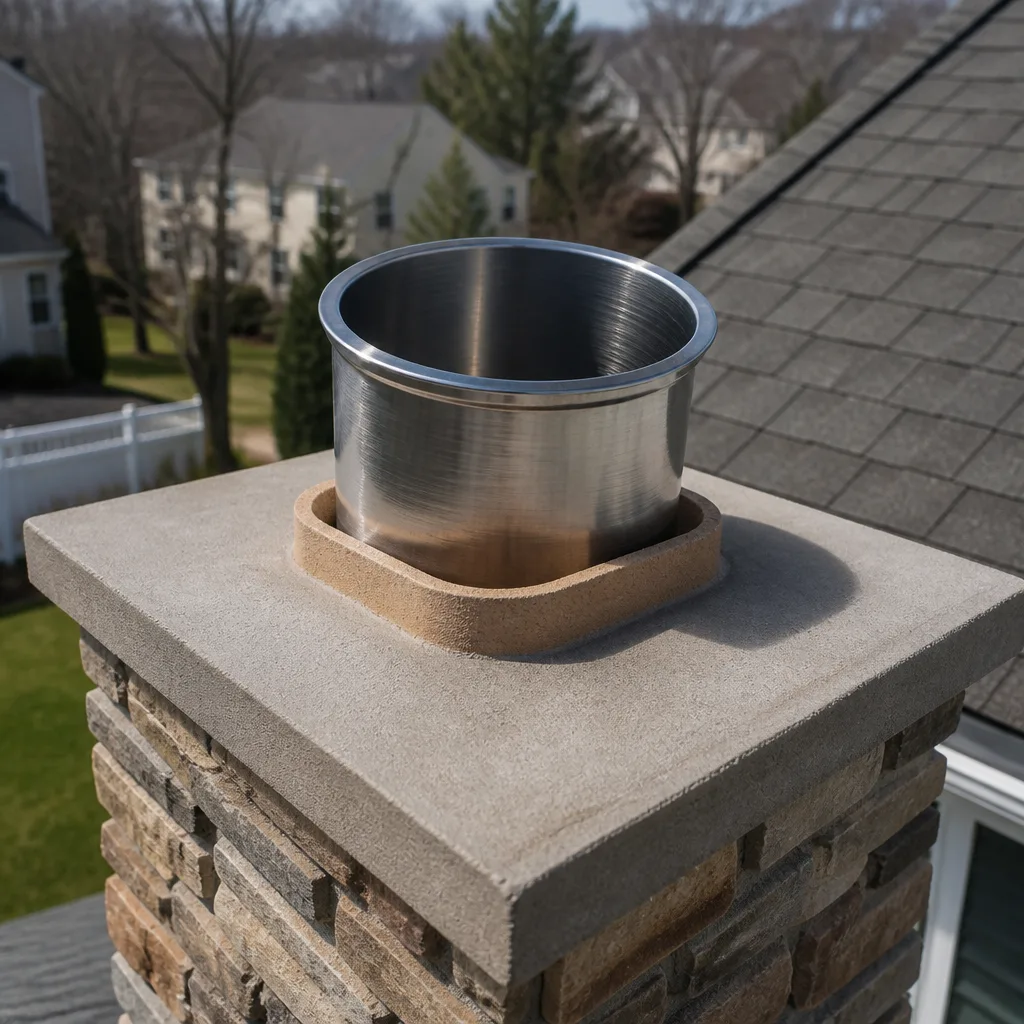
DuraFlex is one of the most commonly specified flexible stainless steel liner brands among professional chimney contractors in the United States. It’s not a household name, which is precisely the point. DuraFlex sells through professional supply chains, not retail shelves. The company manufactures liners in 316L stainless steel and an aluminum variant, and the difference between these materials is where the “contractor-grade” conversation starts.
316L stainless is an alloy that includes molybdenum, which gives it superior resistance to the acidic condensate produced by modern high-efficiency gas appliances. Most big-box liners that homeowners can buy off the shelf are 304 stainless, which is a fine alloy for many applications but degrades faster when exposed to the byproducts of gas combustion over a decade or more. In a coastal-influenced climate like Central-Alameda’s, where moisture and salt air are part of the atmospheric equation, that alloy difference matters more than it would in a dry inland location.
Temperature rating is the other spec worth knowing. DuraFlex liners intended for wood-burning appliances are typically rated to 2100°F for intermittent use, which matters when a chimney fire occurs. A liner that can’t survive the thermal shock of a chimney fire becomes a liability, allowing fire to spread into the chimney structure itself. When a contractor specifies DuraFlex, they’re making a statement about what they’re willing to install and stand behind.
Warranty terms matter too, though they’re often overstated by salespeople. The honest version is this: a liner warranty is only as good as the installation behind it. A poorly installed DuraFlex liner will fail regardless of what the warranty says. But the brand does offer transferable limited lifetime warranties on certain stainless configurations when installed by qualified professionals, which is more than most retail alternatives provide. The brand name is a signal, not a guarantee. That distinction is important.
HeatShield: What It Repairs and Why Generic Refractory Cement Isn’t the Same
HeatShield is a ceramic sealant system designed specifically for restoring deteriorated smoke chambers and flue joints. It’s not a patch. It’s not a paint. It’s a restoration system with a specific engineering purpose, and it’s one of the clearest examples of why brand names matter in this trade.
The smoke chamber is the area directly above the firebox where smoke compresses and accelerates before entering the flue. In many chimneys built before the 1940s, and in a significant number built after, the smoke chamber walls are constructed with corbeled brick and coated with a thin layer of mortar. Over decades of heating and cooling cycles, that mortar degrades. Gaps and voids form. Heat and creosote can accumulate in those gaps, and in some cases, the deterioration compromises the chimney’s ability to contain combustion gases. In older Central-Alameda homes, we see this regularly.
HeatShield works as a pumped ceramic material that fills voids, smooths the smoke chamber profile, and creates a new insulated surface. The key difference from generic refractory cement comes down to two things: application method and bond characteristics. Refractory cement applied by hand to a smoke chamber rarely fills voids deep enough to matter and often cracks again within a few seasons because it doesn’t match the thermal expansion profile of the surrounding masonry. HeatShield is applied as a system, usually with a special pump and troweling technique, and it’s engineered to bond with the existing surface rather than sit on top of it.
Most sweep companies are not equipped to apply HeatShield. It requires training, specific equipment, and a relationship with the manufacturer. When a chimney company tells you they can do a HeatShield restoration, it tells you something about their depth. They’ve invested in a capability that goes beyond running a brush up a flue.
Copperfield and Olympia Chimney: The Working Sweep’s Toolbox
Copperfield and Olympia Chimney are two brands that appear regularly in professional chimney supply catalogs but almost never on retail shelves. Understanding what these brands produce helps you evaluate whether your chimney contractor is buying professional tools or improvising.
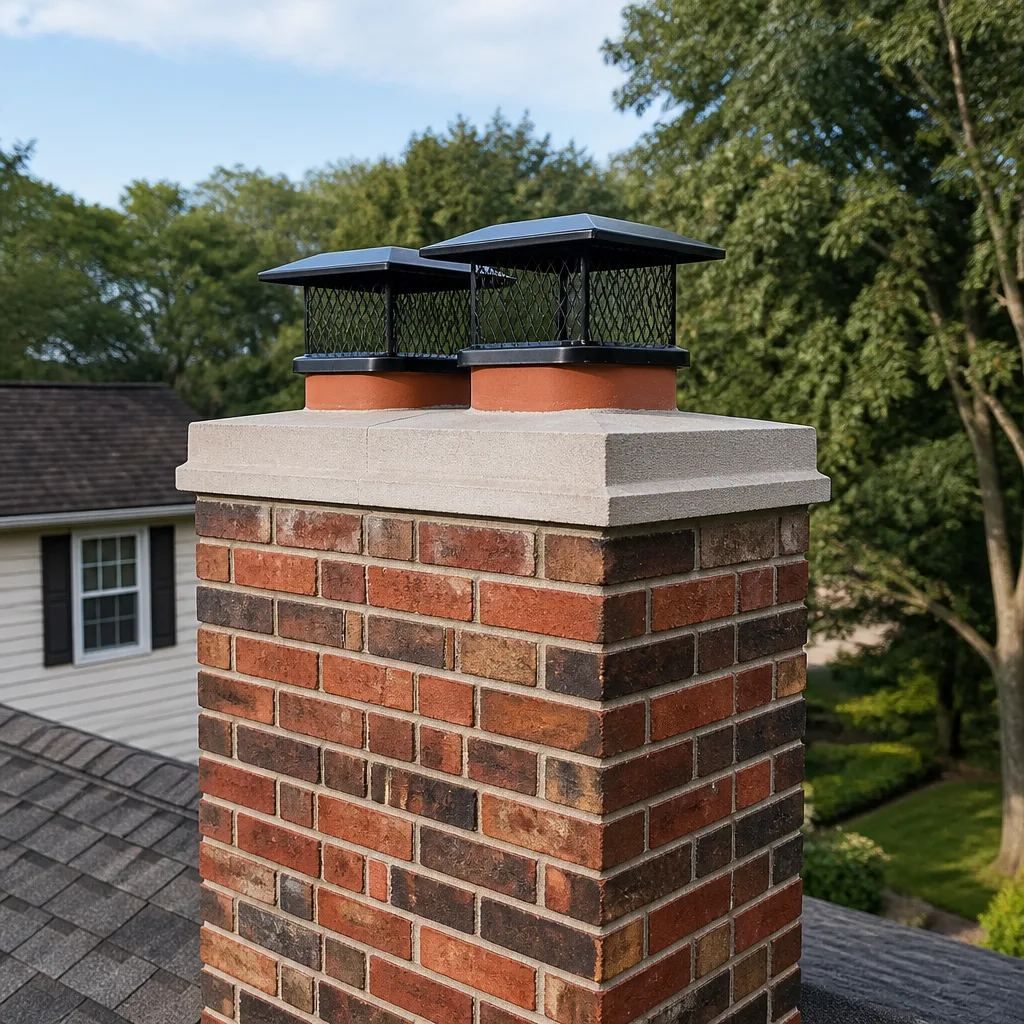
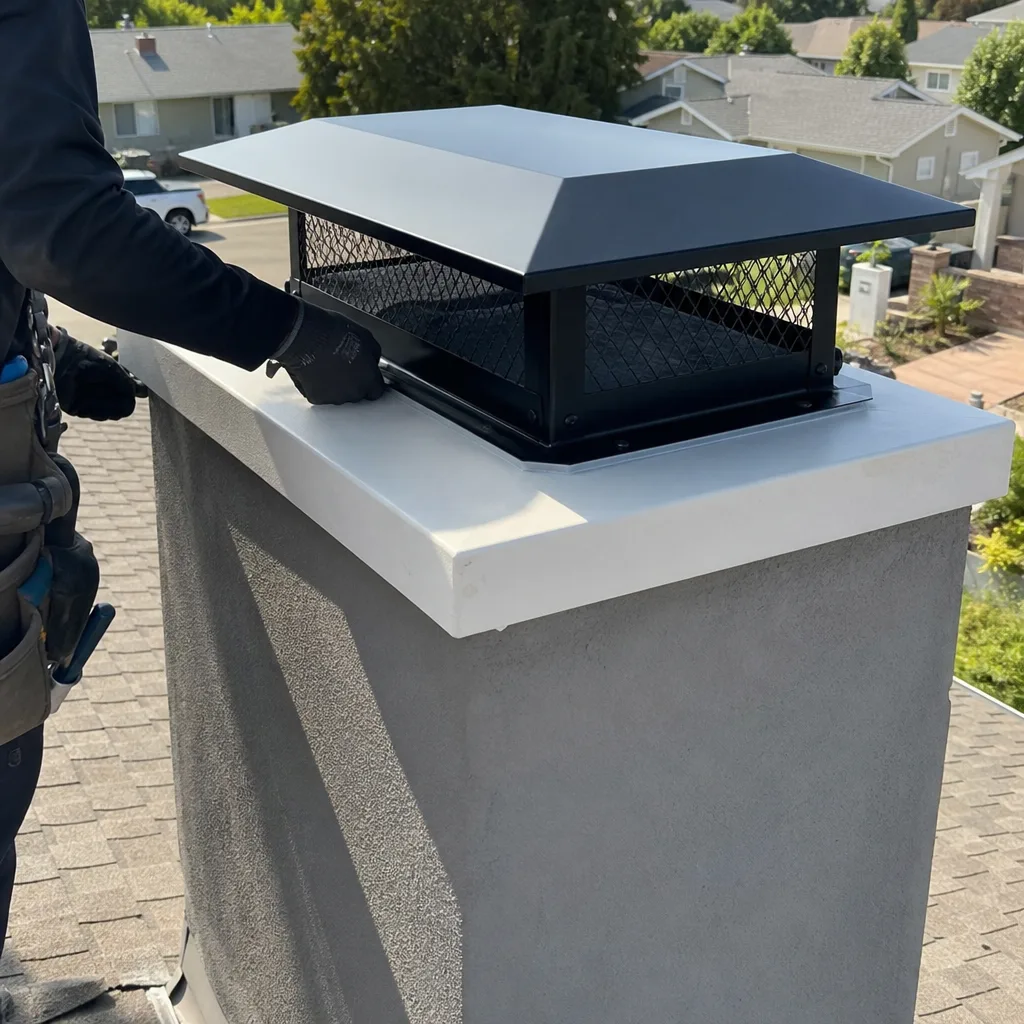
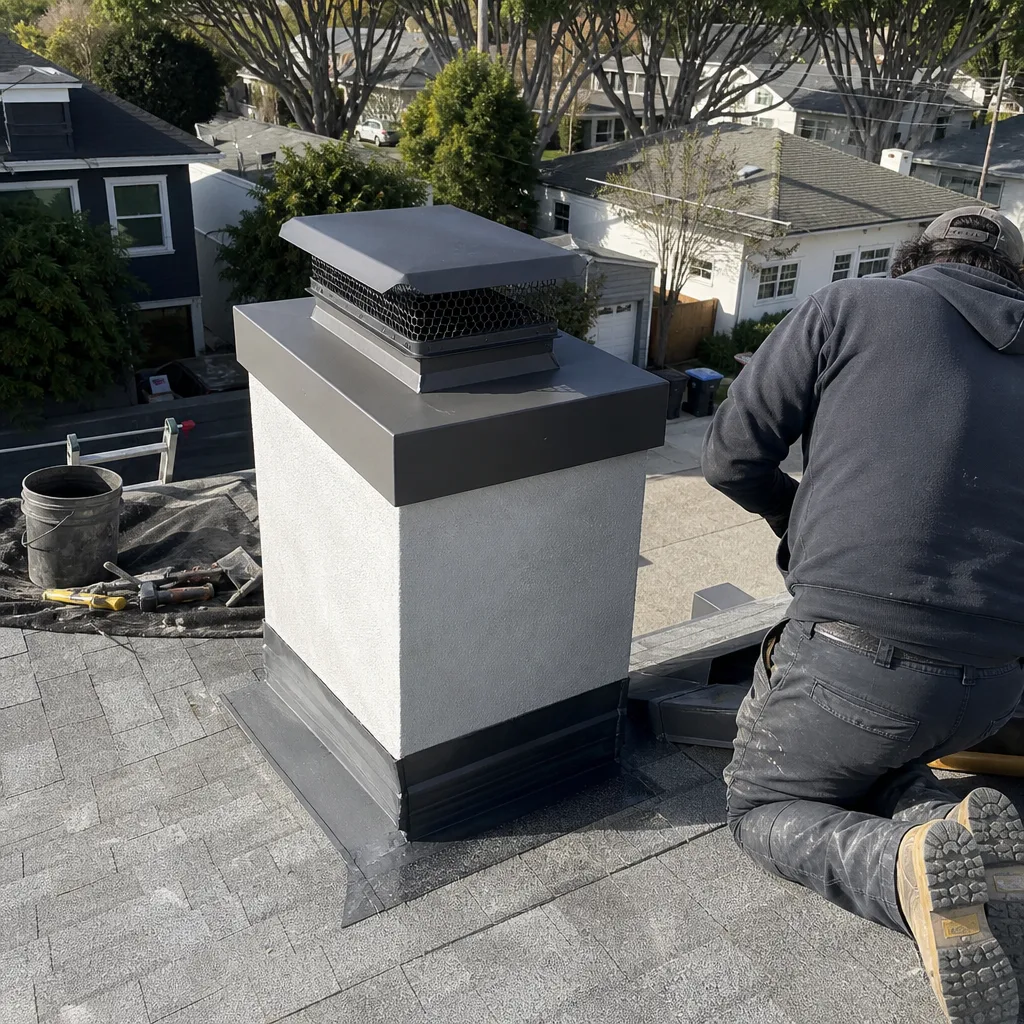
Copperfield makes chimney caps, chase covers, and accessories. A chimney cap is not a decorative afterthought. It keeps rain out of the flue, prevents animals from nesting, and contains sparks that could otherwise land on your roof. The difference between a Copperfield cap and a generic cap comes down to material thickness, mesh gauge, and the quality of the attachment hardware. In Central-Alameda, where we get real wind off the bay and occasional driving rain, a flimsy cap loses its mesh within a few years and starts letting water into the flue. A Copperfield cap is built for that exposure.
Olympia Chimney produces a range of professional chimney components, from liner components to chimney covers and termination systems. What’s notable about Olympia is the same thing that’s notable about DuraFlex: the company sells primarily through professional channels, which means their products are engineered to be installed, not just displayed. When a sweep specifies Olympia components, they’re working from the same catalog as commercial contractors.
We carry these brands on our trucks because they’re what the job requires. That’s not a marketing slogan. It’s an operational decision. The brushes we use for dryer vent cleaning in Central-Alameda come from the same professional supply chain, because the standards for that work are no lower than the standards for chimney work. Two fire hazards, one call, and the same level of material quality across both.
How to Verify the Materials on Your Quote Are What Get Installed
This is the section most competitors skip, and it’s the one that matters most for homeowners. You can ask for brand names. You can get them on a quote. But how do you know that’s what actually goes into your chimney? Here’s a five-step verification process we recommend to every homeowner in Central-Alameda who’s evaluating a chimney repair quote.
- Ask for brand names in writing before you sign. A quote that says “stainless steel liner” is not specific enough. Ask for the manufacturer and the alloy. DuraFlex 316L is a specific product. “Stainless liner” is a category. The difference in writing is the difference between a professional and someone who’s going to buy whatever is on the shelf at the supply house that morning.
- Ask to see the packaging. Professional-grade liners arrive in labeled boxes with the manufacturer’s name, product code, and sometimes a serial number. When the crew shows up, you should be able to see the boxes before installation begins. If the materials arrive loose in the back of a truck with no packaging, that’s not necessarily a problem, but you have the right to ask where the product came from.
- Request the documentation. For liner installations, ask for the installation warranty worksheet that comes with the product. DuraFlex and similar manufacturers provide documentation that ties the product lot to the installation date and contractor. If your contractor can’t produce this, the brand claim on the quote isn’t backed by anything.
- Match the invoice to the quote. The final invoice should list the same brand names that appeared on the quote. If the quote said DuraFlex and the invoice says “liner installed,” ask for the corrected invoice. This is not pedantic. It’s your paper trail for warranty purposes.
- Take photos during installation. You don’t need to hover over the crew’s shoulder, but a few photos of the materials before they go into the chimney create a record that’s useful if anything fails later. Professional contractors expect this. It’s normal.
If you’re comparing quotes for chimney repair in Central-Alameda, the cheapest quote is rarely the one with the most specific material list. Pay attention to the specificity.
Stocked on the Truck vs. Ordered Per Job: Why It Signals Something Real
There’s a difference between a contractor who stocks materials on their vehicle and one who orders per job, and that difference shows up in how the work gets done. A chimney contractor who keeps a working inventory of liners, sealants, caps, and components on their truck or in their shop has made a commitment to this trade. They’re not dipping in and out of chimney work between other jobs.
Inventory costs money. A truck stocked with DuraFlex liner sections, HeatShield ceramic material, Copperfield caps, and Olympia components represents thousands of dollars in working capital. A generalist who picks up a chimney job occasionally won’t carry that inventory. They’ll order what they need after you sign the contract, which adds days to the timeline and increases the chance of substitution. When the supply house is out of the specified liner, the generalist buys what’s available. The specialist waits for the right product or already has it on hand.
There’s also a knowledge component. A contractor who stocks these materials uses them regularly. They know how the liner behaves during installation, how the sealant cures in humid conditions, how the cap attachment holds up to Bay wind. That knowledge comes from repetition, and repetition comes from volume. The inventory is a visible proxy for the experience you can’t see.
We stock these materials because our work in Central-Alameda demands it. When a repair requires a specific liner component, we’d rather reach for it than wait a week for a shipment. That operational difference affects your timeline and your outcome.
What Central-Alameda’s Climate and Housing Stock Mean for Chimney Product Choices
Central-Alameda has a specific set of chimney conditions that shape what products we recommend and why. This is not a generic question. The housing stock, the weather, and the way people use their fireplaces here all feed into the material decisions.
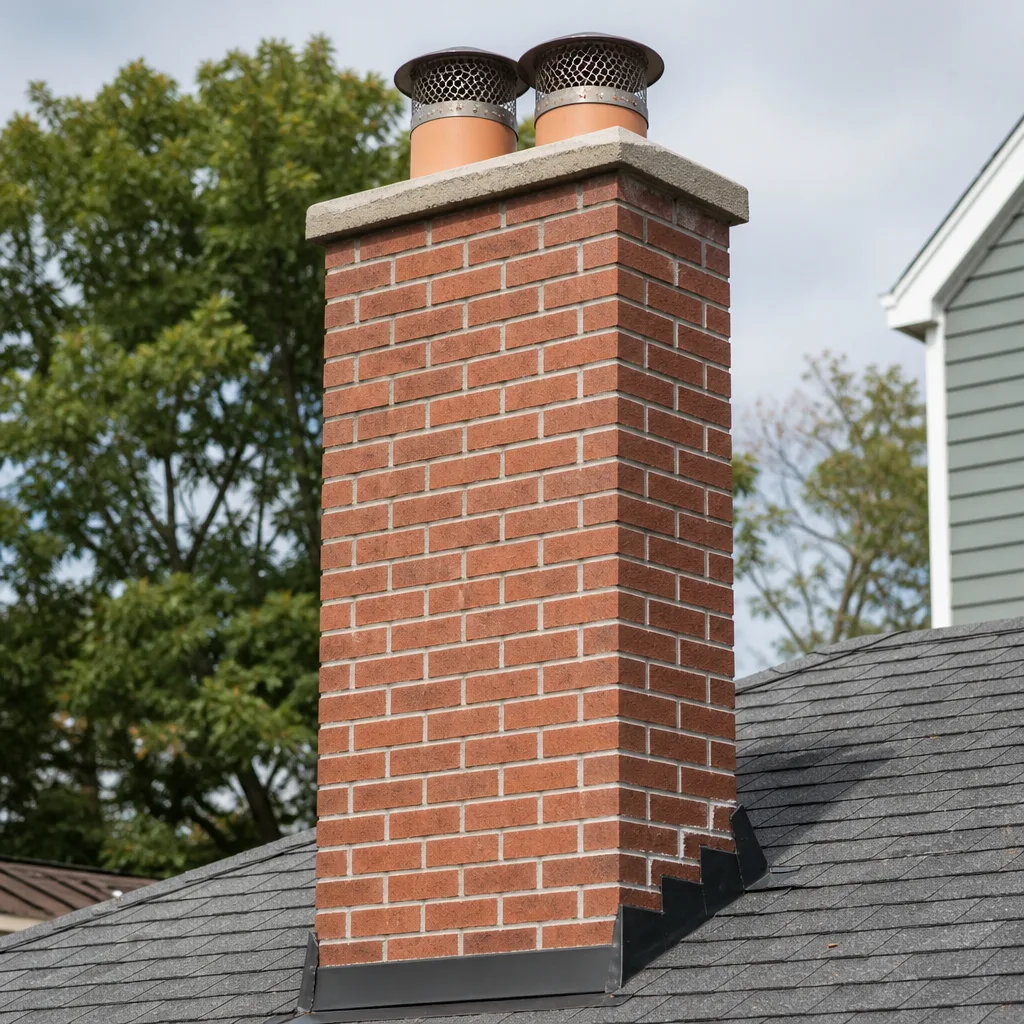
Central-Alameda has a significant number of homes built before 1950, many with original masonry chimneys. Those chimneys were built for open wood-burning fireplaces, and they’ve now been through decades of use, earthquakes, and moisture cycles. The mortar joints in those chimneys are reaching the end of their service life. Smoke chamber deterioration is common. Cracked flue tiles turn up on camera inspections regularly. This is not alarmism. It’s what the camera shows, and we show every customer the footage.
The marine influence on Central-Alameda’s climate matters too. Moist, salt-laden air accelerates corrosion in metal chimney components. A galvanized chase cover installed in Central-Alameda will corrode faster than the same cover installed in Livermore. That’s why stainless components, or properly coated replacements, are the right call here. It’s not an upgrade. It’s the baseline.
Many Central-Alameda homeowners also use their fireplaces as supplemental heat during winter. That means their chimneys see real use, not just occasional ambiance fires. Real use means real creosote accumulation and real wear on liners and components. The product choices matter more when the system works harder.
Common Mistakes to Avoid
- Accepting a quote without brand names. “Stainless steel liner” is not a product specification. You have the right to know exactly what’s being installed in your chimney. A contractor who won’t name the brand is either buying on price or doesn’t know the difference, and neither is acceptable.
- Choosing the cheapest chimney repair bid. Chimney work is not a commodity. The difference between a $2,800 liner installation and a $4,200 liner installation is often the alloy, the installation technique, and the warranty documentation. In Central-Alameda’s coastal climate, the cheaper liner is usually the one that fails first.
- Treating the chimney cap as an accessory. In a windy, rainy climate like Central-Alameda’s, the cap is a structural necessity. A cheap cap lets water into the flue, and water is the enemy of every masonry chimney. Spending a little more on a professional-grade cap saves thousands in masonry repair later.
- Assuming all sweep companies offer the same thing. Most chimney sweeps can clean a flue. Fewer can diagnose structural issues correctly. Fewer still can perform a HeatShield restoration or install a properly specified liner. The depth matters when you need more than a cleaning.
- Skipping the camera inspection. If a contractor quotes a repair without showing you camera footage of the problem, ask why. Modern chimney diagnosis requires seeing the inside of the flue. A contractor who works without a camera is guessing, and you’re paying for the guesses.
- Deferring dryer vent cleaning because the chimney was just done. Lint accumulation in dryer vents causes thousands of residential fires annually. The chimney and the dryer vent are two separate systems with two separate hazards. Have both checked on a schedule.
- Assuming a new liner means the chimney is fixed. A liner addresses the flue. It doesn’t address the smoke chamber, the crown, the cap, or the masonry. A proper repair scope looks at the whole system. If your quote only mentions the liner and nothing else, ask what the camera showed about the rest of the chimney.
When to Call a Professional
You should call a professional chimney contractor when you see any of the following: visible smoke leaking into the room during fires, a strong odor coming from the fireplace when it’s not in use, water stains on the ceiling or walls near the chimney, flaking masonry or crumbling mortar on the exterior chimney, or if it’s been more than a year since the last inspection. These are all signs that the system needs attention, and none of them are safely addressed with a DIY approach or a handyman with a ladder, as explained in our DIY vs Professional Chimney Cleaning: The Central-Alameda Homeowner’s Decision Guide. For homeowners in Central-Alameda who notice any of these conditions, a camera inspection is the right first step. Tidewater Chimney Sweep offers free estimates in Central-Alameda. Call (866) 282-7014 to schedule an inspection.
Frequently Asked Questions
Professional contractors in the United States commonly specify DuraFlex for flexible stainless steel chimney liners, typically in 316L alloy for gas appliances and high-temperature stainless for wood-burning systems. DuraFlex sells through professional supply chains rather than retail stores, which is why the name is unfamiliar to most homeowners. The brand matters because of alloy composition, temperature rating, and warranty documentation.
HeatShield is a ceramic restoration system designed to address specific structural problems in the smoke chamber and flue joints, not a general-purpose sealant. If your camera inspection shows deteriorated smoke chamber mortar or cracked flue joints, HeatShield is often the appropriate repair because it fills voids and bonds with the existing masonry in a way that generic refractory cement cannot. If your chimney doesn’t have those specific problems, HeatShield isn’t necessary. The right question is what the camera showed.
Ask to see the product packaging before installation, request the manufacturer’s warranty worksheet after installation, and confirm the invoice lists the same brand names as the original quote. Legitimate contractors expect these requests and can satisfy them easily. If the contractor can’t show you the packaging or provide documentation, the brand claim isn’t supported.
Chimneys should be inspected annually and swept when creosote accumulation reaches 1/8 inch or more, which typically means a sweep every one to two years for wood-burning fireplaces in regular use. In Central-Alameda, where many homeowners use fireplaces for supplemental heat during winter, annual inspection is the right baseline. Gas fireplaces still benefit from annual inspection, though they produce less creosote and may need sweeping less frequently.
Creosote accumulates with each fire, and creosote is combustible. A thick creosote layer can ignite into a chimney fire that reaches temperatures exceeding 2000°F, which is enough to crack flue tiles and potentially spread to the house structure. Even without a fire, accumulated creosote restricts draft, leading to smoke backup and carbon monoxide risk. The cost of a sweep is a fraction of the cost of repairing fire damage.
Yes. Tidewater Chimney Sweep offers dryer vent cleaning in Central-Alameda alongside chimney services, which addresses two of the leading causes of residential fires through one specialized contractor. Call (866) 282-7014 for a free estimate.
The Bottom Line
The chimney cleaning and repair product market is designed to be opaque to homeowners. The brands that matter most, DuraFlex, HeatShield, Copperfield, Olympia, are known to professionals but invisible to everyone else. That’s why this guide exists. The single most useful thing you can do is ask your contractor a simple question: “What brand is that liner, and why do you specify it?” The answer tells you nearly everything you need to know. A professional answers immediately with a brand and a reason. A generalist says it doesn’t matter, or worse, can’t answer at all. In Central-Alameda, where older chimneys and coastal air create real material demands, that question matters more than almost anywhere else. For a free estimate and a camera inspection that shows you exactly what’s happening inside your chimney, call (866) 282-7014.
Written by the team at Tidewater Chimney Sweep, serving Central-Alameda since 2012.
See the difference
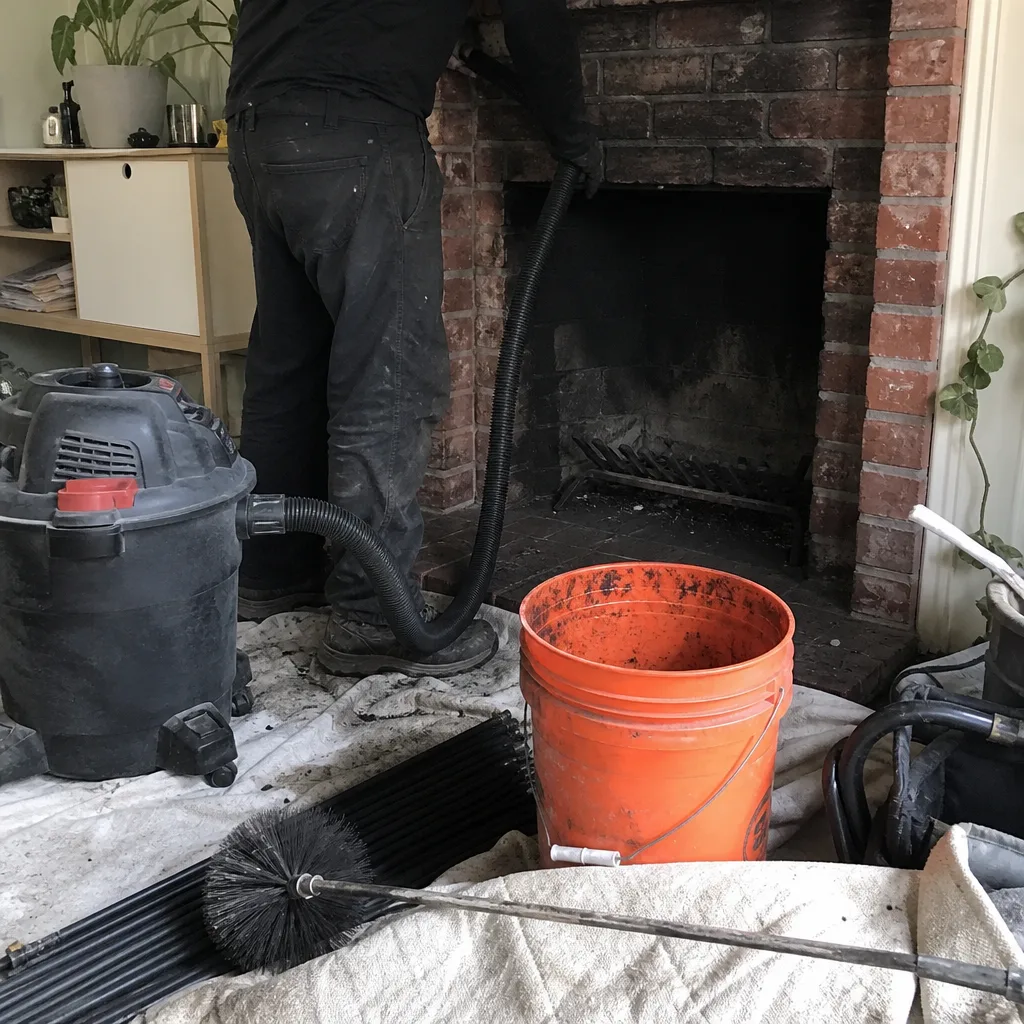 Before
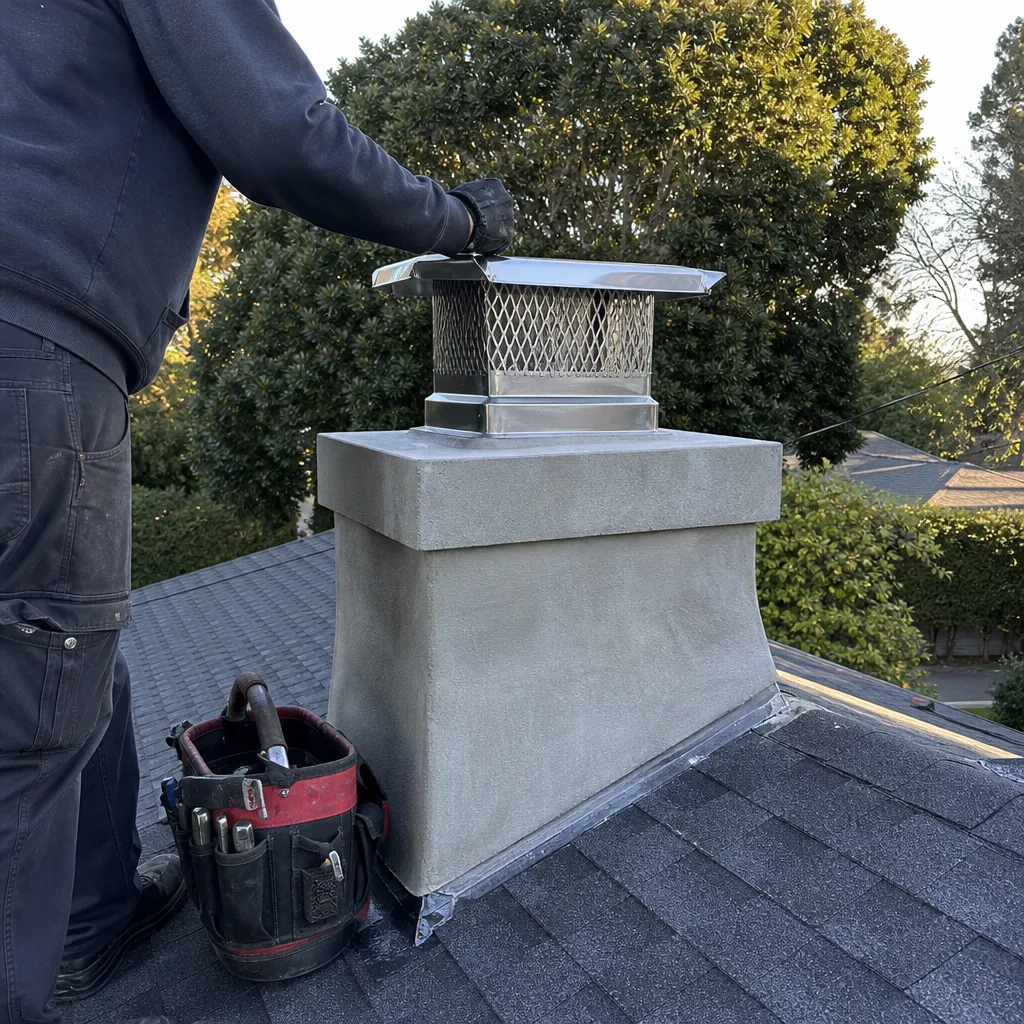 After
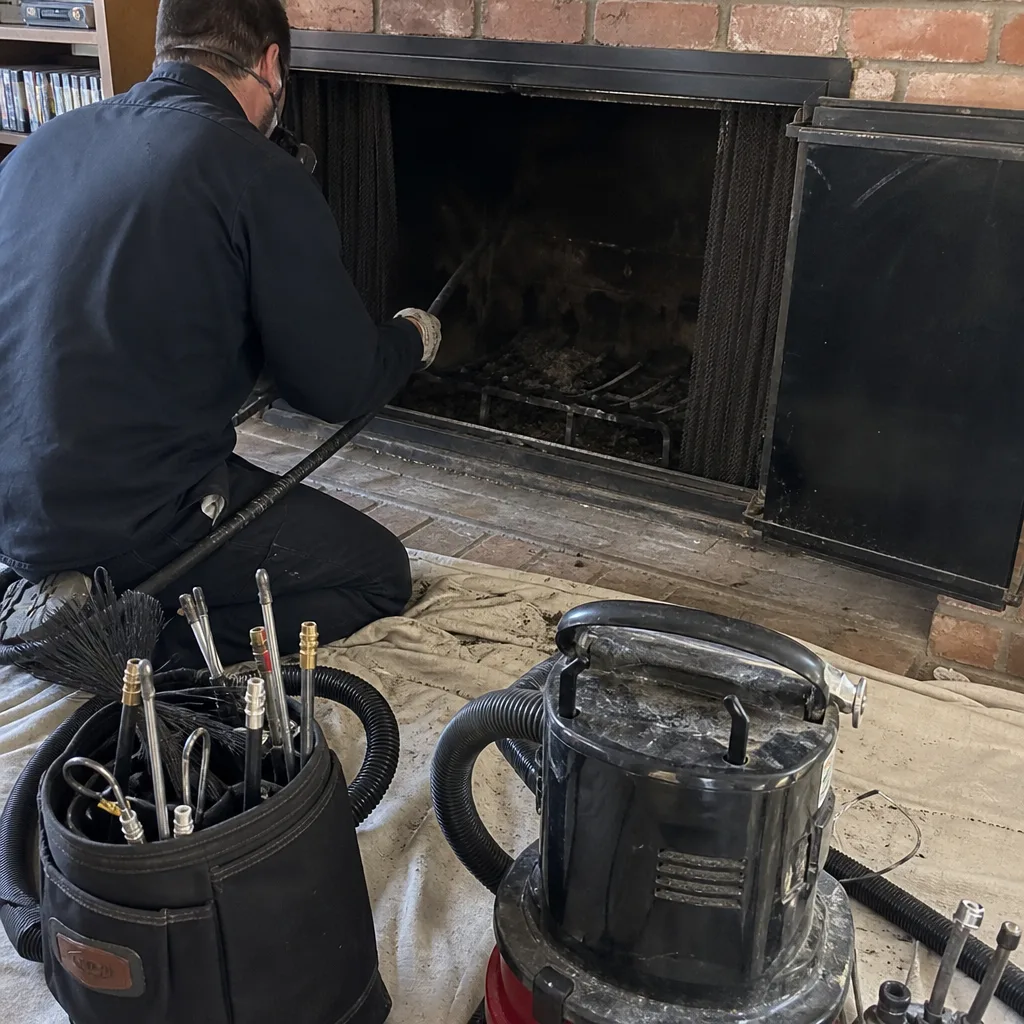 Before
 After
 Before
 After