
Last updated November 3, 2026
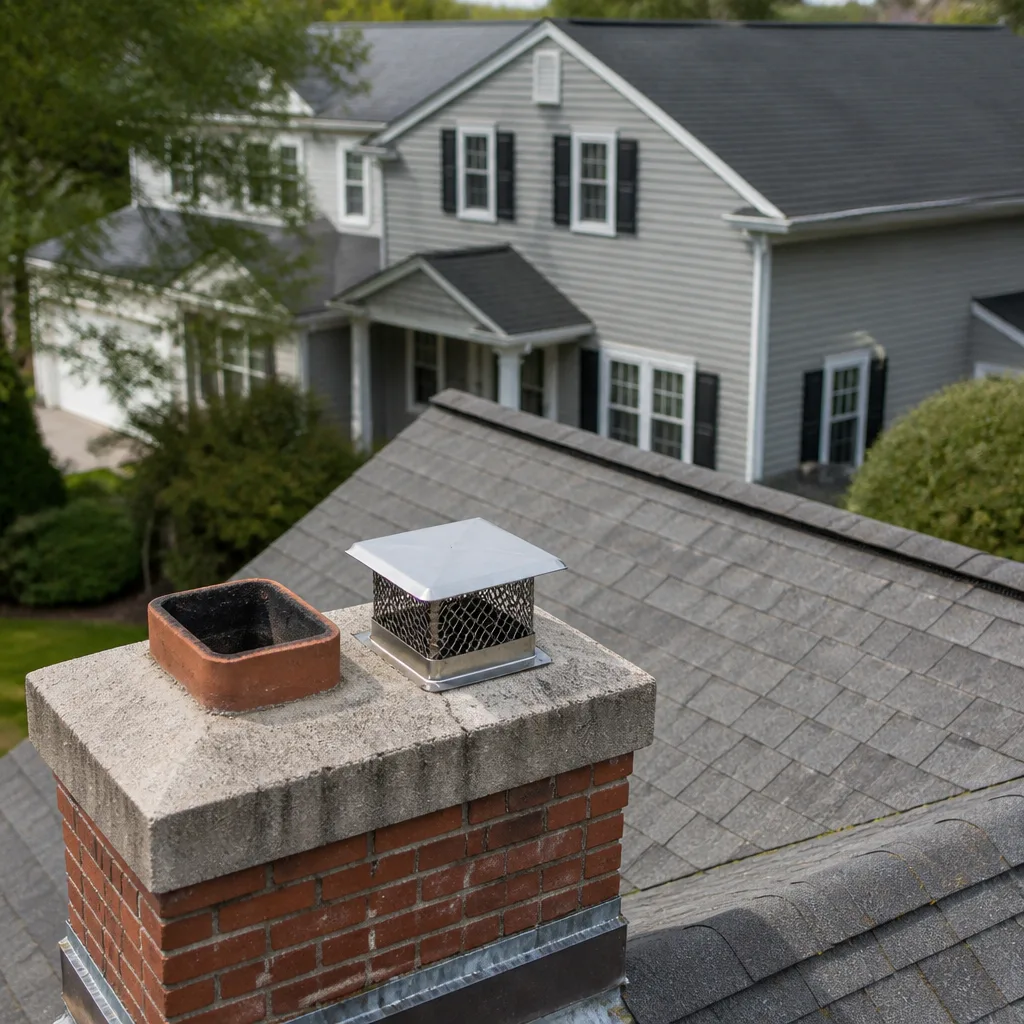 Sweep & inspection
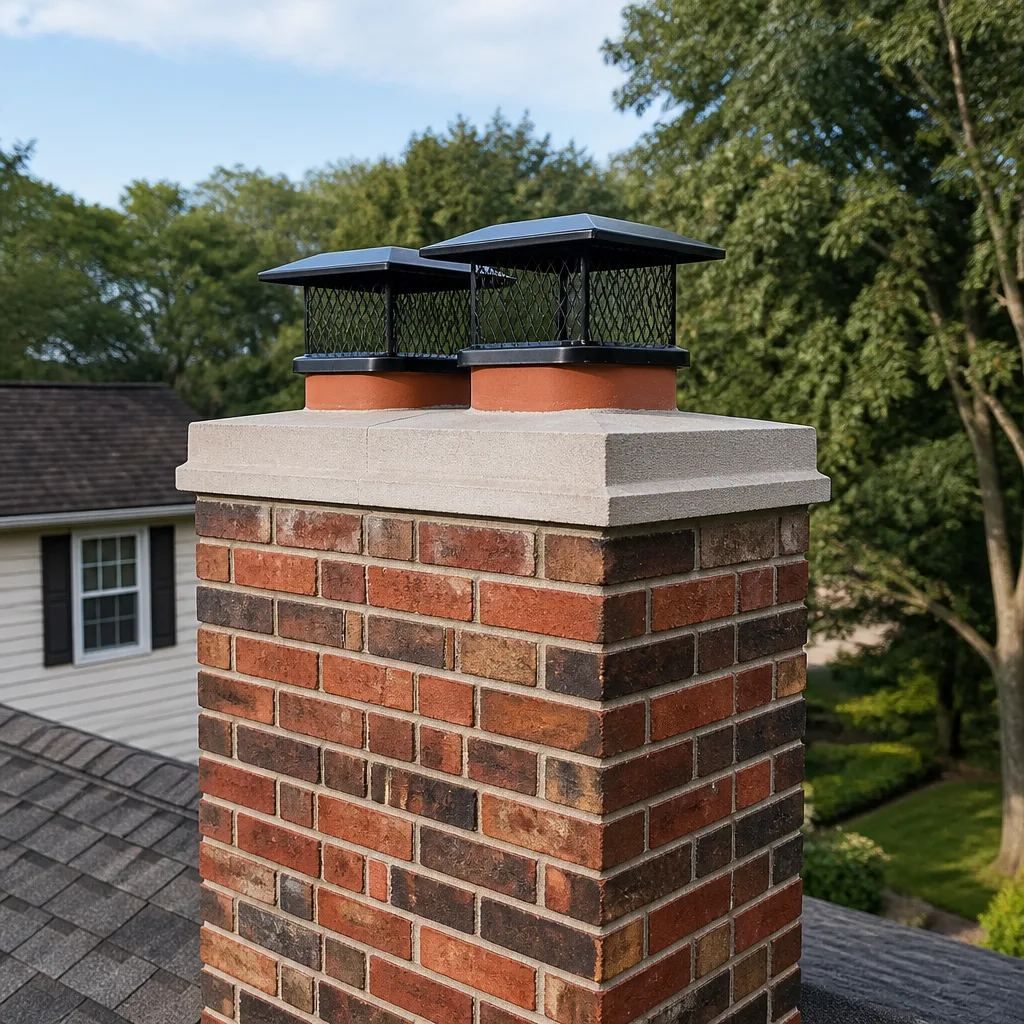 Caps & crowns
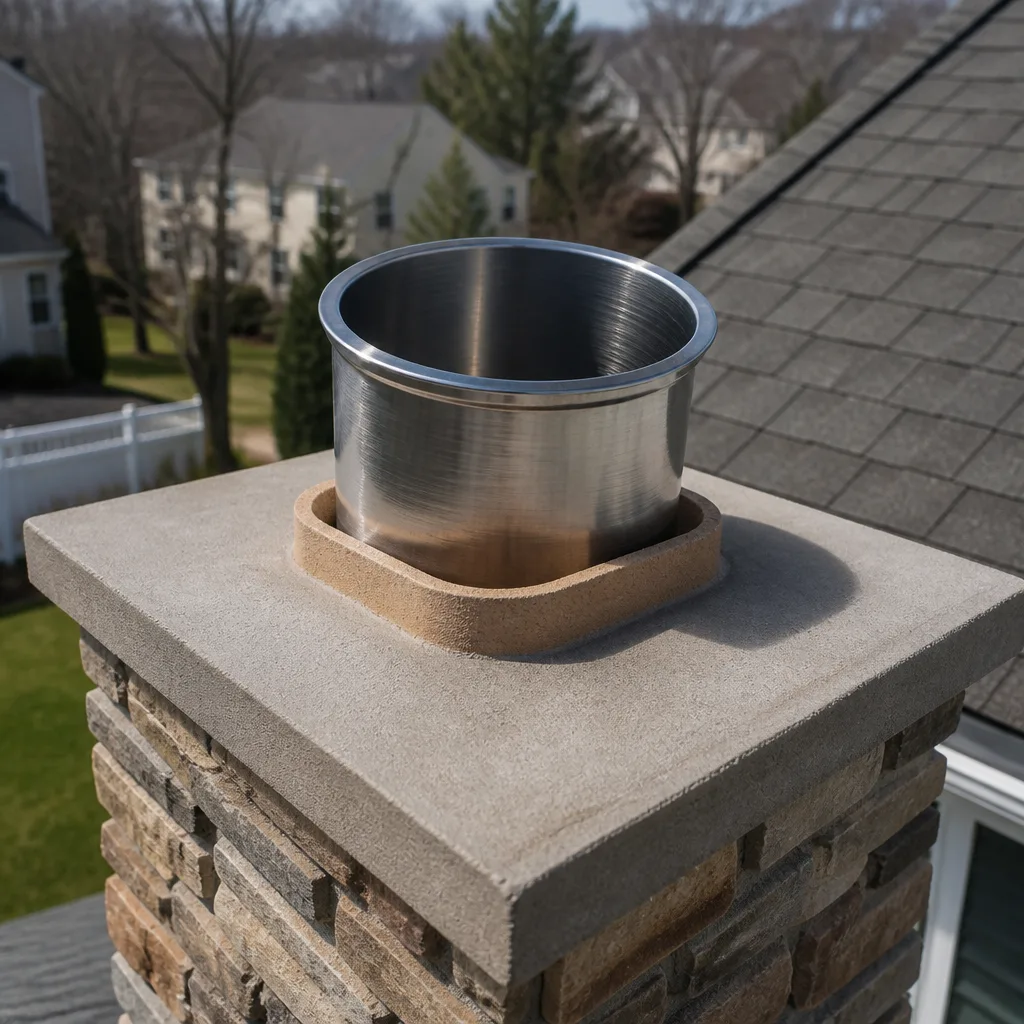 Flue relining
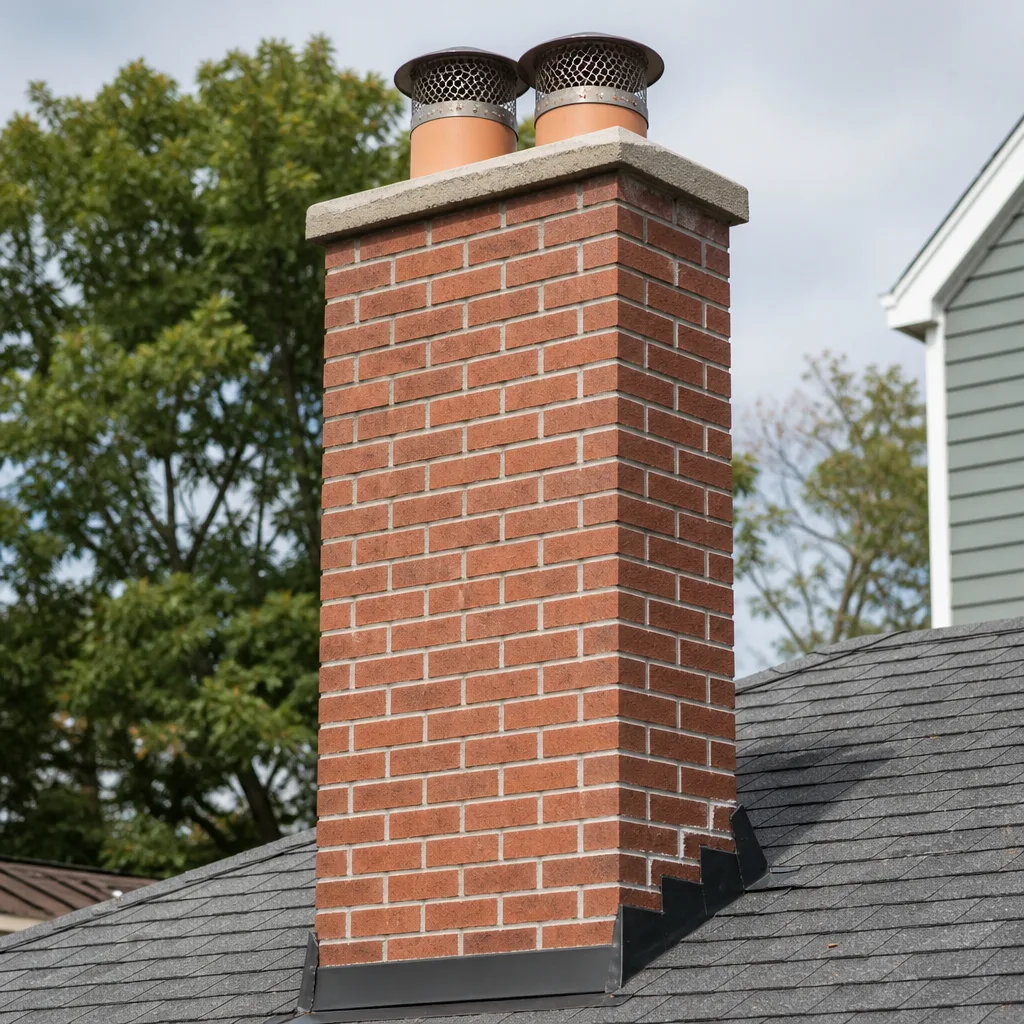 Masonry repair
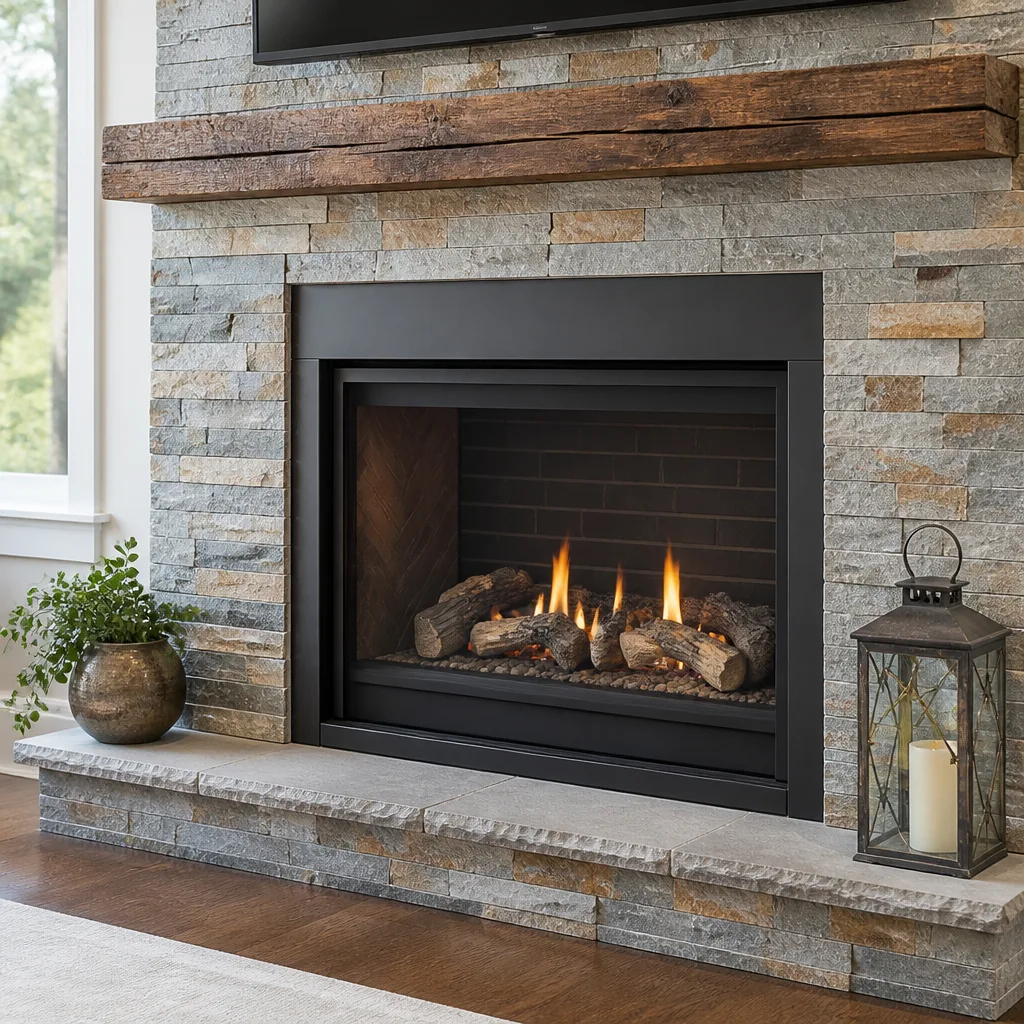 Gas fireplace service
Level 1 sweep and inspection to the NFPA 211 annual standard - flue, crown, cap, and flashing checked and photographed
Chimney sweep logs do not sweep chimneys. They loosen some creosote - which then falls where a brush and vacuum still have to collect it.
The Complete Chimney Sweep Guide for Central-Alameda Homeowners
Most chimney fires in California aren’t caused by dirty flues. They’re caused by structural cracks that a basic cleaning missed because the technician ran a brush up the flue and called it done. If you own a home in Central-Alameda, your chimney faces a specific set of pressures: salt-laden marine air, a century of seismic settling, and housing stock that predates modern fire codes. This guide walks you through what a real Chimney Sweep services should catch in Central-Alameda, why the cheapest cleaning often costs the most long-term, and what a complete service visit actually looks like from a contractor’s perspective.
Quick Answer
A proper The Complete Guide to Chimney Cleaning in Central-Alameda explains that a standard cleaning with inspection costs between $180 and $340, and the visit should take 60 to 90 minutes. The chimney sweep should do more than push a brush: they need to inspect the flue liner for cracks, check the mortar joints for salt-air deterioration, and verify that the chimney cap and flashing are intact. If your chimney hasn’t been inspected in the last two years, or if you felt any earthquake shaking greater than a light jolt, book a Level 2 inspection rather than a basic sweep.
Styles & brands we work with
- Sweep & inspection
- Caps & crowns
- Flue relining
- Masonry repair
- Gas fireplace service
Table of Contents
- Why Central-Alameda Chimneys Wear Differently
- Level 1, Level 2, Level 3: What Each Inspection Actually Covers
- What a Complete Chimney Sweep Visit Should Include
- The Offset Flue Problem in Older Central-Alameda Homes
- Contractor-Grade Liners: DuraFlex and HeatShield vs. Hardware Store Sealants
- How Often Should You Sweep Your Chimney in Central-Alameda?
- Chimney Sweep and Dryer Vent: Two Fire Hazards, One Call
- Common Mistakes to Avoid
Why Central-Alameda Chimneys Wear Differently
Central-Alameda sits on a flat island between the Oakland Estuary and San Francisco Bay, which means one thing for your chimney: constant moisture. The marine layer rolls in most mornings, even during summer, and the air carries salt from the Bay. That salt-laden humidity penetrates porous brick and mortar, then dries out when the afternoon sun hits. This wet-dry cycle repeats hundreds of times per year.
In inland California cities like Sacramento or Livermore, mortar deteriorates slowly because the air is dry and temperature swings are predictable. Here, we see mortar joints start spalling within 15 to 20 years of construction, sometimes sooner on chimneys that face west toward the Bay. The bricks themselves hold up, but the mortar between them turns sandy and loose. Once mortar fails, water gets behind the brick, and then the freeze-thaw cycle, rare as it is in Alameda, does the rest.
What this means practically: a Central-Alameda chimney that hasn’t been repointed or at least inspected for mortar condition in a decade is likely hiding water intrusion. And water intrusion is the leading cause of flue liner cracks, which is the leading cause of chimney fires that spread into the home’s framing. A basic sweep that ignores the exterior masonry is not a complete service in this climate.
Older Central-Alameda neighborhoods, from the Victorians near Park Street to the Craftsman bungalows in the East End, add another layer. Many of these chimneys were built without proper flashing at the roofline, or the flashing has since corroded in the salt air. We regularly find rusted flashing on homes within a mile of the water, even when the rest of the roof looks fine.
Level 1, Level 2, Level 3: What Each Inspection Actually Covers
The Chimney Safety Institute of America (CSIA) defines three inspection levels, and knowing the difference matters more than most homeowners realize. The wrong level of inspection in the wrong situation is exactly how structural cracks get missed in Central-Alameda homes.
Level 1: The Annual Maintenance Inspection
A Level 1 inspection is what you get with a standard chimney sweep. The technician examines the readily accessible portions of the chimney: the firebox, the damper, the visible flue interior, and the exterior from the ground or roof. No special tools are used beyond a flashlight and the sweep’s own eyes. This is appropriate when you use your chimney the same way you always have, haven’t changed fuel type, and haven’t experienced any seismic event or weather damage.
Here’s the problem: in Central-Alameda, “the same way you always have” is often a false assumption. A Level 1 inspection cannot see hairline cracks inside the flue liner unless they’re already wide enough to catch a brush. And after any earthquake above about a 4.0 magnitude, which the East Bay experiences every few years, the assumption that nothing has changed is exactly that: an assumption.
Level 2: The Inspection You Need After an Earthquake or Home Sale
A Level 2 inspection includes everything in Level 1, plus access to concealed areas: the attic, crawlspace, and the full interior of the flue via a specialized camera. The technician runs a video scope from the firebox up through the flue, documenting every inch of the liner surface.
This is the inspection that actually catches the structural cracks referenced in this guide’s opening. After Bay Area seismic activity, even minor tremors can shift chimney masonry enough to crack clay tile liners. Those cracks let heat and gases reach combustible framing. A Level 2 inspection is also required in most real estate transactions in California, and it’s what we recommend for any Central-Alameda homeowner who has lived through an earthquake since their last chimney check.
Level 3: The Surgical Inspection
Level 3 is used when a Level 1 or Level 2 inspection reveals a serious problem that requires opening up part of the chimney to diagnose. This means removing sections of the chimney structure, interior walls, or surrounding masonry to see what has actually failed. It’s invasive, it’s rare, and it’s usually the last step before major repair or demolition. Most Central-Alameda homeowners will never need a Level 3 inspection, but knowing it exists tells you something about the limits of the first two levels.
The takeaway: if you’re booking a basic sweep for $120, you’re getting a Level 1 inspection, which is essentially a visual once-over. That has its place. But if you’ve felt an earthquake, bought a home, or noticed water stains near the chimney, ask specifically for a Level 2 camera inspection. Any reputable chimney company in Central-Alameda should have a flue camera and be willing to show you the footage.
What a Complete Chimney Sweep Visit Should Include
When you book a chimney sweep in Central-Alameda, here is the step-by-step sequence a thorough company follows. Use this as a benchmark against any quote you receive. If a company quotes significantly less and skips half of these steps, you’re not comparing apples to apples.
- Site protection setup. The technician lays drop cloths from your entry door to the fireplace, covers the hearth and nearby furniture, and sets up a HEPA-filtered vacuum. Creosote dust is acidic and carcinogenic. If they don’t bother with dust control, walk away.
- Exterior visual inspection. Before touching the inside, the sweep checks the chimney crown, cap, flashing, and mortar joints from the roof or with binoculars from the ground. In Central-Alameda, this is where salt-air deterioration shows up first.
- Firebox and damper inspection. The sweep examines the firebox for cracks, checks that the damper opens and closes fully, and looks for signs of water intrusion at the smoke shelf.
- Flue cleaning. Using brushes sized to the exact flue dimensions, the technician removes soot and creosote buildup. This step typically takes 20 to 30 minutes. If the flue has significant creosote glaze, this step may require chemical treatment or a rotary cleaning head.
- Flue camera inspection. After cleaning, a camera run verifies that all creosote has been removed and that the liner has no cracks, gaps, or separated tile sections. This is the safety check that separates a maintenance sweep from a diagnostic visit.
- Draft and smoke test. The technician verifies that the chimney draws properly and that smoke exits through the flue, not back into the room.
- Report and recommendations. You receive a written summary of what was found, what was cleaned, and what, if anything, needs monitoring or repair. Any repair recommendations should come with photographic or video evidence you can see for yourself.
A complete visit in Central-Alameda typically runs 60 to 90 minutes. Shorter is not better. A 30-minute chimney “sweep” means steps got skipped.
The Offset Flue Problem in Older Central-Alameda Homes
Here’s something most chimney guides never mention because most chimney guides are written by content mills, not by people who have actually swept flues in old Bay Area homes. For more guides & resources written by actual professionals, see our blog. Many Central-Alameda houses built between 1890 and 1930 have offset flues.
An offset flue is a chimney passage that changes angle as it rises through the house. Builders offset the flue to route it around roof framing, attic beams, or second-story floor joists. The result is a bend in the chimney that a straight chimney brush cannot fully navigate.
In a straight flue, a properly sized brush contacts every inch of the liner surface on every stroke. In an offset flue, the brush rides the inside curve and leaves creosote packed into the outside corner of the bend. Over years, that creosote hardens into a glaze that no basic brush can remove.
Older Craftsman and Victorian homes in Central-Alameda, particularly in the Gold Coast and East End neighborhoods, have exactly this configuration. We’ve swept flues where the offset was shallow enough that a flexible rod system could reach it, and others where the bend was sharp enough that the only way to clean properly was a rotary cleaning head with articulated segments.
Why does this matter to you? If a sweep company quotes a flat rate without asking about your home’s age or looking at the flue configuration, they may not be equipped for what your chimney actually needs. A 1920s Central-Alameda bungalow with an offset flue needs a rotary cleaning, and that costs more than a basic straight-flue brush. A company that doesn’t differentiate is either going to do an incomplete job or surprise you with an upcharge after they start.
Contractor-Grade Liners: DuraFlex and HeatShield vs. Hardware Store Sealants
When a flue liner cracks, the homeowner has a decision to make. The big-box hardware option is a paint-on sealant or a “patch” product that promises to fix the crack from the inside. These products exist because they’re cheap and DIY, not because they work long-term.
A paint-on sealant sits on the surface of the damaged liner. It can fill hairline cracks temporarily, but it does nothing to restore structural integrity. The first heat cycle expands the masonry and the sealant with it, but at different rates. Within a season or two, the sealant delaminates and you’re back where you started, often with the added problem of flakes of failed product inside the flue.
Contractor-grade systems work differently because they’re engineered to be the liner, not just to cover it. DuraFlex is a continuous stainless steel liner that’s flexible enough to navigate offset flues but rigid enough to maintain its shape under heat and pressure. It’s the same material commercial contractors specify for multi-story buildings and fireplace retrofits. When installed correctly, it creates a new flue surface inside the old one, separate from the damaged masonry.
HeatShield works on a different principle. Instead of inserting a new liner, HeatShield restores the existing flue from the inside using a ceramic-based coating system that’s applied in multiple layers with a specialized applicator. It’s not a paint – it’s a mortar-like compound that bonds to the original clay liner and rebuilds the flue surface. HeatShield certification is something most basic sweep companies don’t have, because it requires training and equipment that a part-time chimney cleaner won’t invest in.
The choice between DuraFlex and HeatShield depends on the condition of your existing liner, the degree of offset in your flue, and your budget. What both options share: they’re installed by technicians who have been through manufacturer training, and they carry multi-year material warranties that paint-on sealants simply don’t offer.
For Central-Alameda homeowners, the marine air adds another reason to avoid the cheap fix. A liner crack that lets moisture into the chimney structure will continue to worsen as the salt-laden air works on the damaged area. The longer the crack goes unaddressed, the more extensive the eventual repair.
How Often Should You Sweep Your Chimney in Central-Alameda?
The standard answer from the National Fire Protection Association (NFPA) is that chimneys should be inspected annually and swept when creosote buildup reaches 1/8 inch or more. But “annually” means different things depending on how you use your fireplace.
Here’s a practical schedule for Central-Alameda homeowners:
- Wood-burning fireplace used weekly during winter: Sweep every year, before the first fire of the season. Creosote from oak and eucalyptus, the two most common firewoods in the East Bay, accumulates quickly.
- Wood-burning fireplace used occasionally (a few times per month): Sweep every other year, with a visual inspection in the off years.
- Gas fireplace or insert: Sweep every 2 to 3 years. Gas produces far less creosote, but it does produce acidic condensation that can eat at masonry over time, especially in a damp climate like Central-Alameda.
- Wood stove used as primary heat source: Sweep twice per year. Stoves burn longer and cooler than open fireplaces, which produces more creosote per cord of wood.
- Chimney that’s never used: Inspect every 2 years anyway. Unused chimneys still collect water, nesting material, and the effects of salt air. The problems develop whether or not you burn.
One Central-Alameda-specific note: if you live within a few blocks of the shoreline, your chimney cap and flashing deserve a visual check every year regardless of sweep schedule. The salt air accelerates metal corrosion in ways that inland homeowners never experience. A rusted chimney cap can collapse into the flue and block it, and a failed flashing can channel water into your attic for months before you see a stain on the ceiling.
Chimney Sweep and Dryer Vent: Two Fire Hazards, One Call
Chimneys and dryer vents share a common enemy: lint and creosote are both highly flammable, and both accumulate in places you can’t see. The NFPA identifies dryer vent fires as one of the leading residential fire causes in the United States, right alongside chimney fires. And in Central-Alameda, where many homes pack the laundry room into a converted basement or a tight interior closet, the dryer vent run is often longer than code recommends, with more bends where lint can collect.
A specialist who handles both systems can look at your home’s venting as a single system. The same principles apply: airflow, clearance to combustibles, moisture management, and inspection for blockages. A company that only does chimneys misses the dryer vent. A generalist handyman who’ll “clean” both usually lacks the camera equipment and training to verify the job was actually done.
If you’re booking a chimney sweep in Central-Alameda anyway, adding a dryer vent cleaning to the same visit costs less than booking them separately and gives you a single day to address both of your home’s routine fire hazards. From a safety standpoint, there’s no downside. If your dryer vent hasn’t been cleaned in three or more years, it’s overdue.
We also carry the same professional-grade venting products for dryer systems that we use for chimneys. Brands like Copperfield and Famco make commercial-spec venting components that last longer than the foil hose you’ll find at a hardware store. For Central-Alameda’s damp air, that matters: a corroded dryer vent in a crawl space is a fire waiting for the right conditions.
Common Mistakes to Avoid
- Assuming a cheap sweep is the same as a thorough sweep. A $99 chimney cleaning in Central-Alameda is not the same service as a $250 sweep with camera inspection. The cheap version skips the parts that actually keep you safe, and it’s often a loss leader for repair upselling. You’ll find out what was missed when the problem is worse and more expensive.
- Skipping the camera inspection. Without a flue camera, your sweep is working blind. Hairline cracks, separated tile liners, and hidden creosote glaze are invisible to the naked eye from the firebox. If a company doesn’t own a flue camera, they can’t tell you whether your chimney is actually safe.
- Painting over masonry problems instead of fixing them. Sealant products from the hardware store may hide a mortar crack for a season, but they don’t stop water intrusion or restore structural integrity. In Central-Alameda’s salt air, the failure is just delayed, and the repair bill is higher when the problem has had another year to worsen.
- Ignoring the chimney because you “hardly use it.” An unused chimney still gets wet, still collects debris, and still degrades in the marine air. Birds nest in unused flues. The damp, salty air works on the mortar joints. A chimney you don’t use is not a chimney that doesn’t need attention.
- Hiring a generalist because the price is better. A handyman with a chimney brush is not a chimney sweep. The brush part of the job is the easy part. The inspection, the diagnosis, the equipment, and the knowledge of what Central-Alameda’s climate does to masonry, those are the things you’re actually paying for.
- Deferring a recommended liner repair because it’s expensive. A cracked flue liner is a fire hazard, not a cosmetic issue. Heat and gases reaching the wood framing of your house is the exact scenario that turns a chimney crack into a structure fire. If the recommendation comes with camera footage you can see, take it seriously.
- Booking too late in the season. Every fall, chimney companies in Central-Alameda book out three to five weeks ahead. If you wait until the first cold snap to call, you’ll be burning through an uninspected chimney for weeks while you wait for your appointment.
See the difference
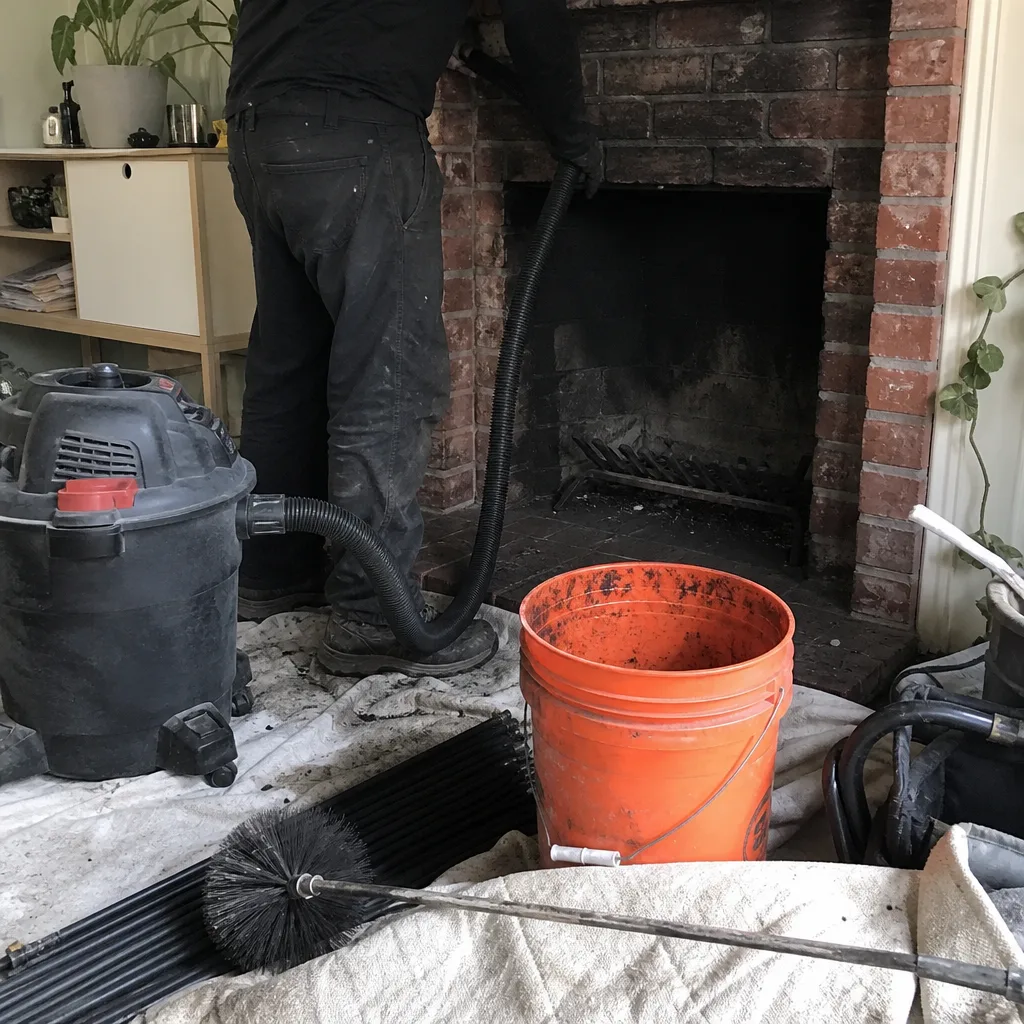 Before
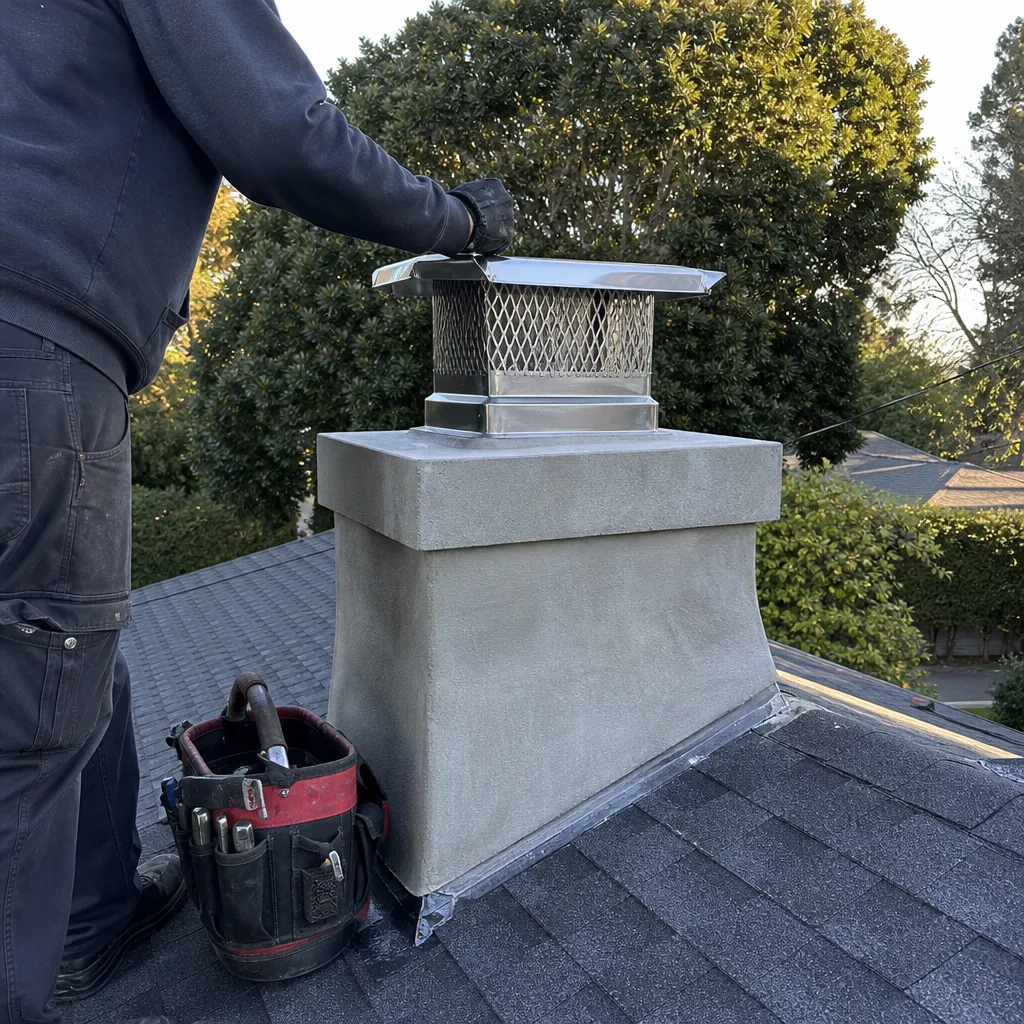 After
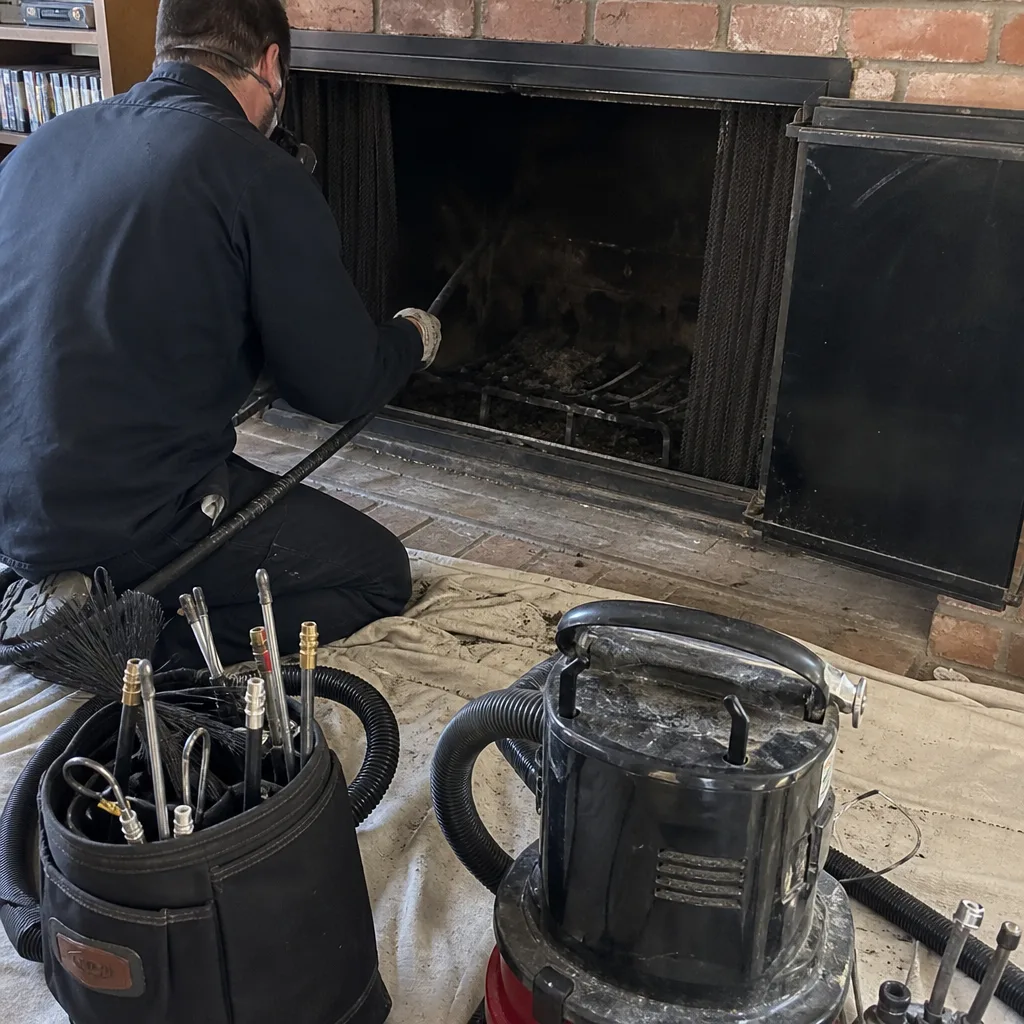 Before
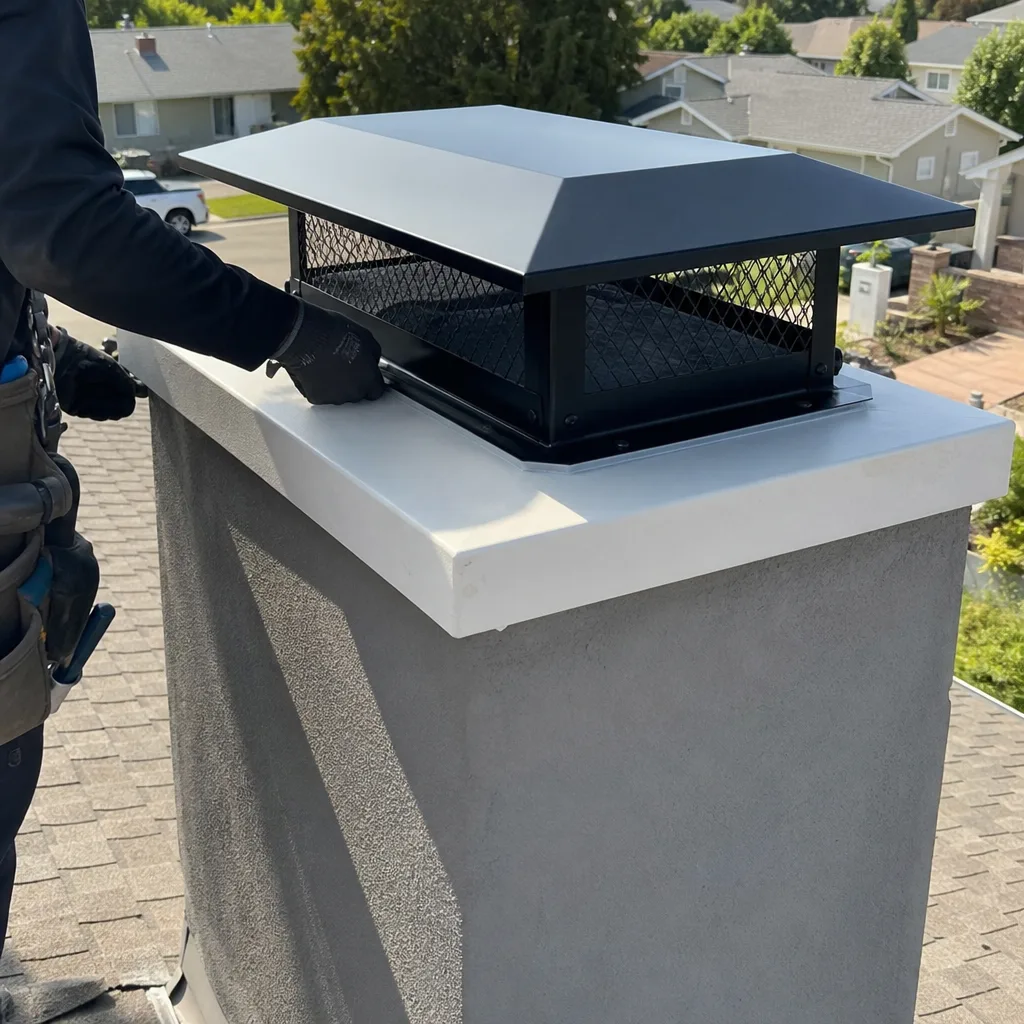 After
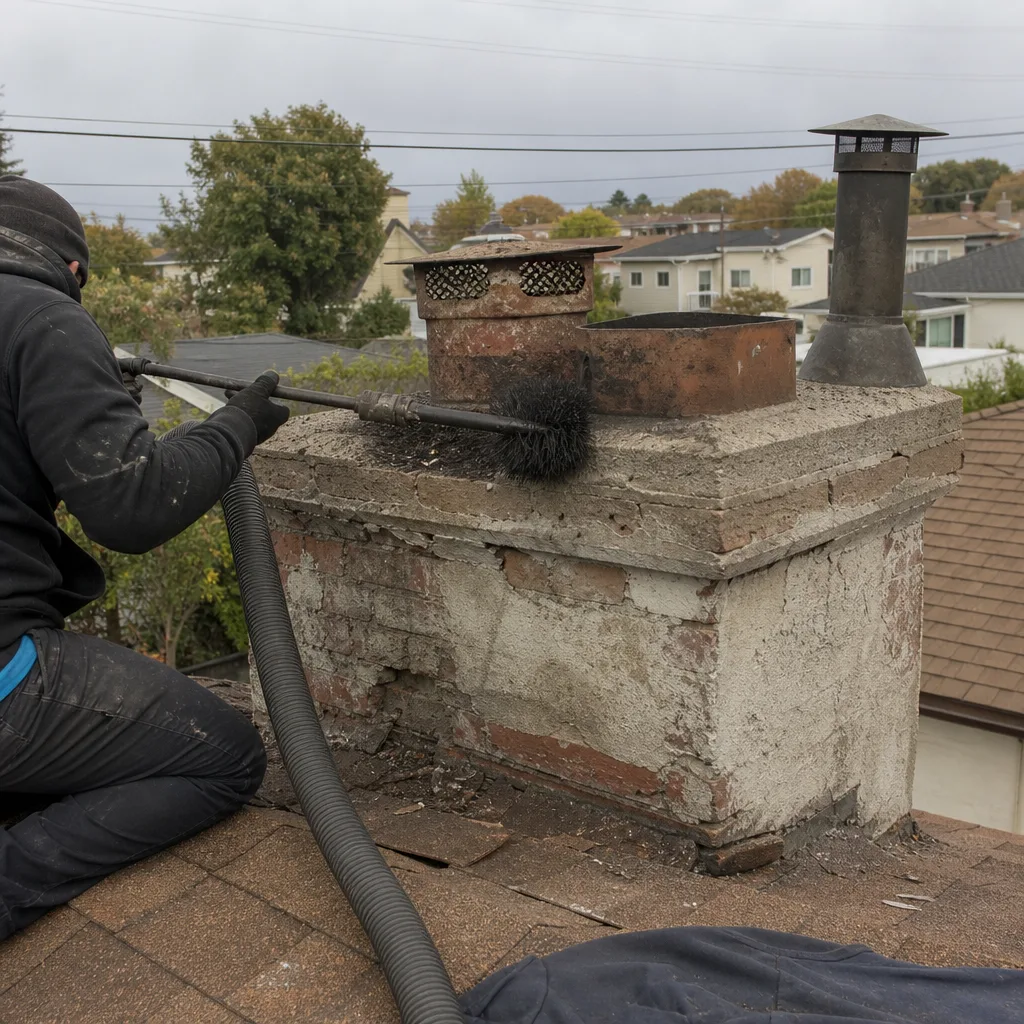 Before
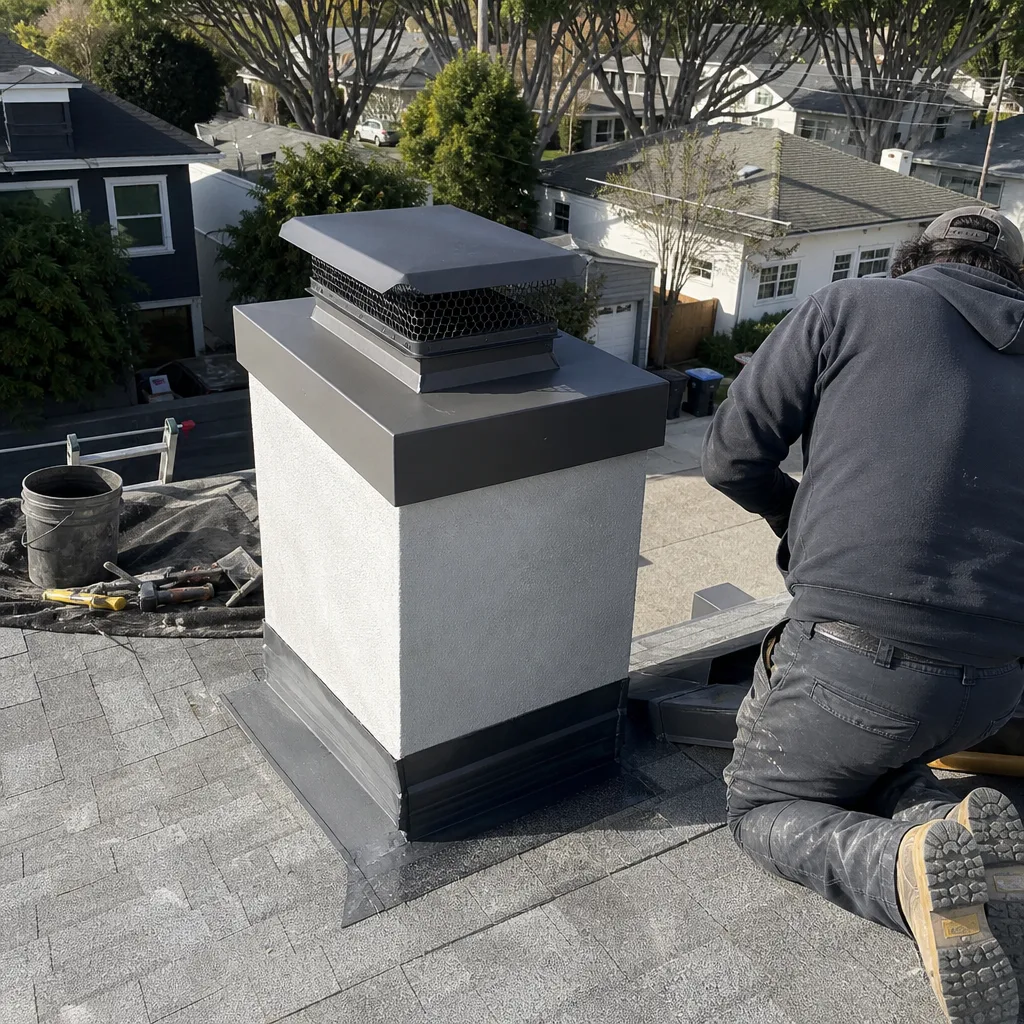 After
When to Call a Professional
If you’re seeing white staining on your chimney exterior, hearing water dripping in the flue during rain, smelling a campfire-like odor in the house when the fireplace isn’t in use, or noticing that your fireplace struggles to draft smoke upward, those are signs that a basic sweep won’t fix. Water stains mean the chimney is absorbing moisture, which in Central-Alameda’s climate will only accelerate. A persistent smoky smell in warm weather usually means creosote buildup has become significant enough to off-gas. Draft problems can signal a blocked flue, a failing damper, or a structural issue that shifted the chimney’s geometry.
If you’ve felt an earthquake stronger than a light jolt at any point since your last chimney inspection, book a Level 2 inspection. If you’re buying or selling a home in Central-Alameda, a Level 2 inspection protects both parties. And if it’s been more than two years since anyone looked at your chimney, the simplest answer is the right one: schedule the sweep now, before the season gets busy. Tidewater Chimney Sweep offers free estimates in Central-Alameda. Call (866) 282-7014 and we’ll tell you exactly what your chimney needs, with camera footage to prove it.
Frequently Asked Questions
A standard chimney sweep with a Level 1 inspection in Central-Alameda typically costs between $180 and $340, depending on flue type, height, and accessibility. A Level 2 camera inspection adds $100 to $200 to that range. Rotary cleaning for offset flues or glazed creosote costs more. For an exact quote on your chimney, call (866) 282-7014 and we’ll give you a flat price before any work begins.
Ask for camera footage of the creosote buildup or the crack they’re recommending you fix. A legitimate chimney company will show you the inside of your flue and walk you through what the video shows. If the recommendation comes with no visual evidence, get a second opinion. At Tidewater Chimney Sweep, nothing gets recommended without footage you can see for yourself.
You can brush out loose soot, but you can’t inspect the flue liner, you can’t verify that creosote is fully removed from offset sections, and you can’t assess structural damage. See our DIY vs Professional Chimney Cleaning: The Central-Alameda Homeowner’s Decision Guide for a full comparison. Climbing onto a Central-Alameda roof also carries real fall risk, especially on two-story Victorians with steep pitches. The dangerous part of chimney work isn’t the brush, it’s what you can’t see. That’s what a trained professional with a camera is for.
Yes, though less frequently than wood-burning fireplaces. Gas combustion produces acidic water vapor that condenses inside the flue and can damage masonry over time. This is especially true in Central-Alameda’s damp climate, where flues don’t dry out as quickly between uses. A gas fireplace chimney should be inspected at least every two to three years, and swept when the inspection calls for it.
HeatShield is a ceramic-based restoration system that rebuilds the existing flue from the inside, rather than inserting a new stainless liner. For homeowners with cracked or spalled clay tile liners whose chimney structure is otherwise sound, HeatShield is often less invasive and less expensive than a full liner replacement. The key is that it requires certified training to apply correctly. A basic sweep company that isn’t HeatShield-certified can’t offer it, which is something to ask about if you’re comparing repair quotes.
A complete chimney sweep with inspection takes 60 to 90 minutes for a standard single-flue chimney. Before the appointment, clear the area around your fireplace, move furniture and decor away from the hearth, and avoid using the fireplace for 24 hours prior so the flue is cool. The technicians handle everything else, including floor protection and cleanup. If you’re adding a dryer vent cleaning to the same visit, expect the full appointment to run closer to two hours, and call (866) 282-7014 to schedule both together.
The Bottom Line
A chimney sweep in Central-Alameda is not a commodity service. The marine air, the earthquake history, and the older housing stock mean that a basic brush-and-go cleaning frequently misses the exact problems that cause chimney fires and water damage in this specific market. The right company will show you camera footage, explain what they found in plain English, and recommend repairs only when they can prove the need. Whether you burn wood every winter weekend or haven’t touched your fireplace in years, annual inspection and appropriate sweeping remains the cheapest insurance against a chimney fire. Tidewater Chimney Sweep provides Chimney Sweep in Central-Alameda, along with Chimney Repair in Central-Alameda and Dryer Vent Cleaning in Central-Alameda for complete home venting care.
Written by the team at Tidewater Chimney Sweep, serving Central-Alameda since 2012.