
Last updated November 2, 2026
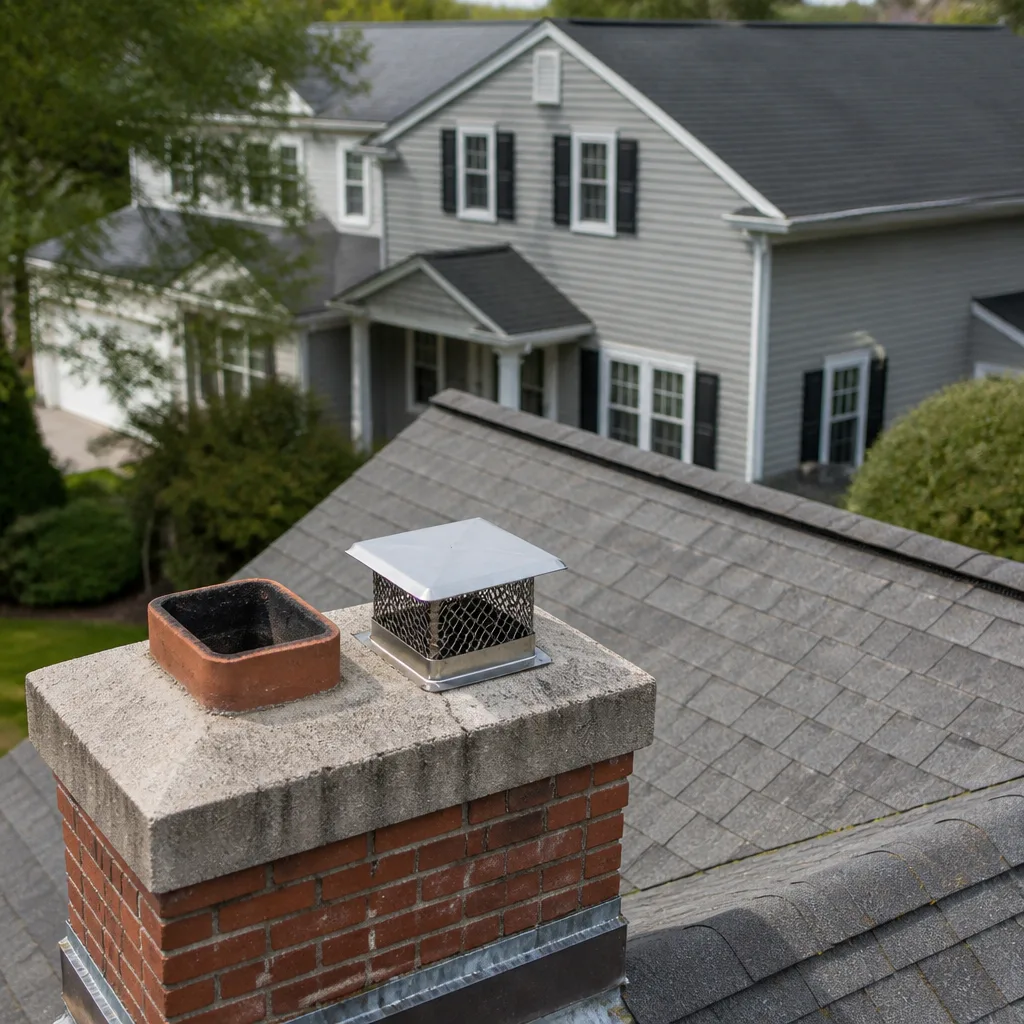 Sweep & inspection
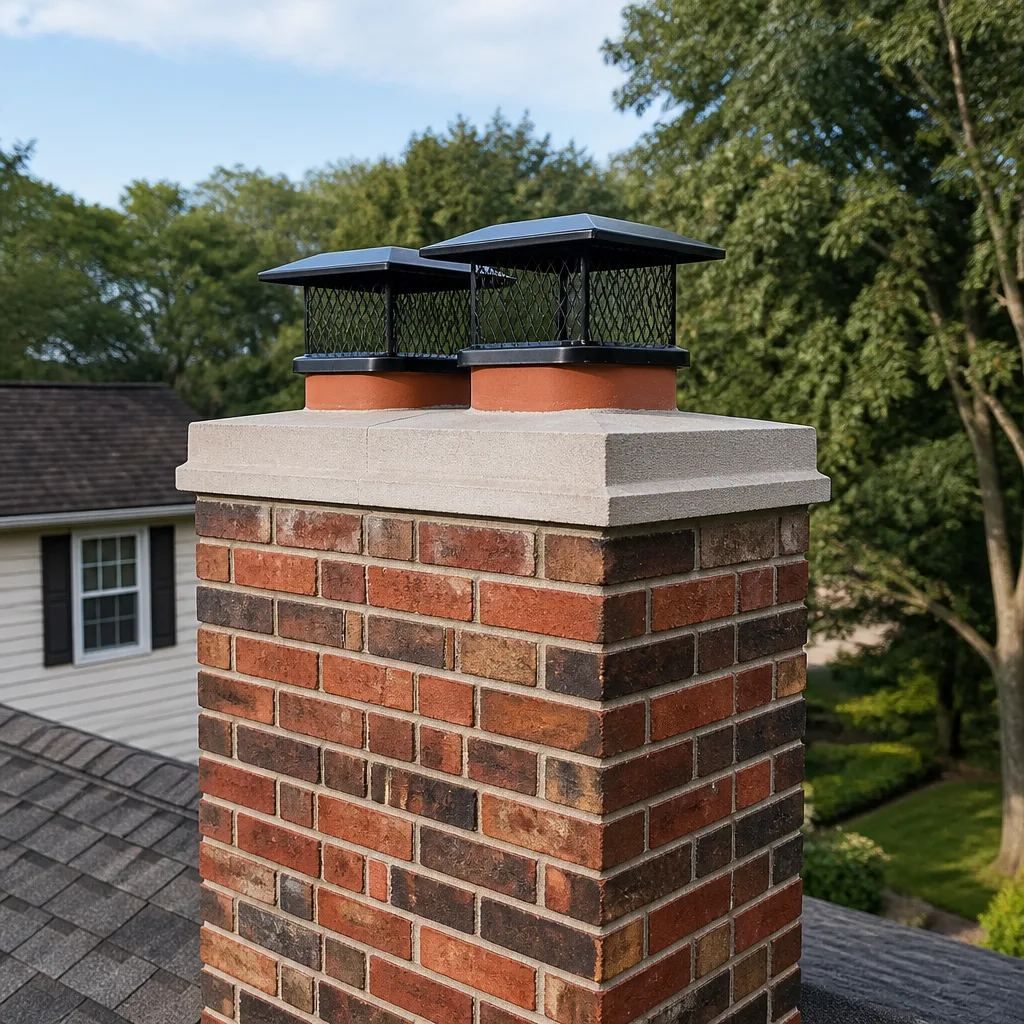 Caps & crowns
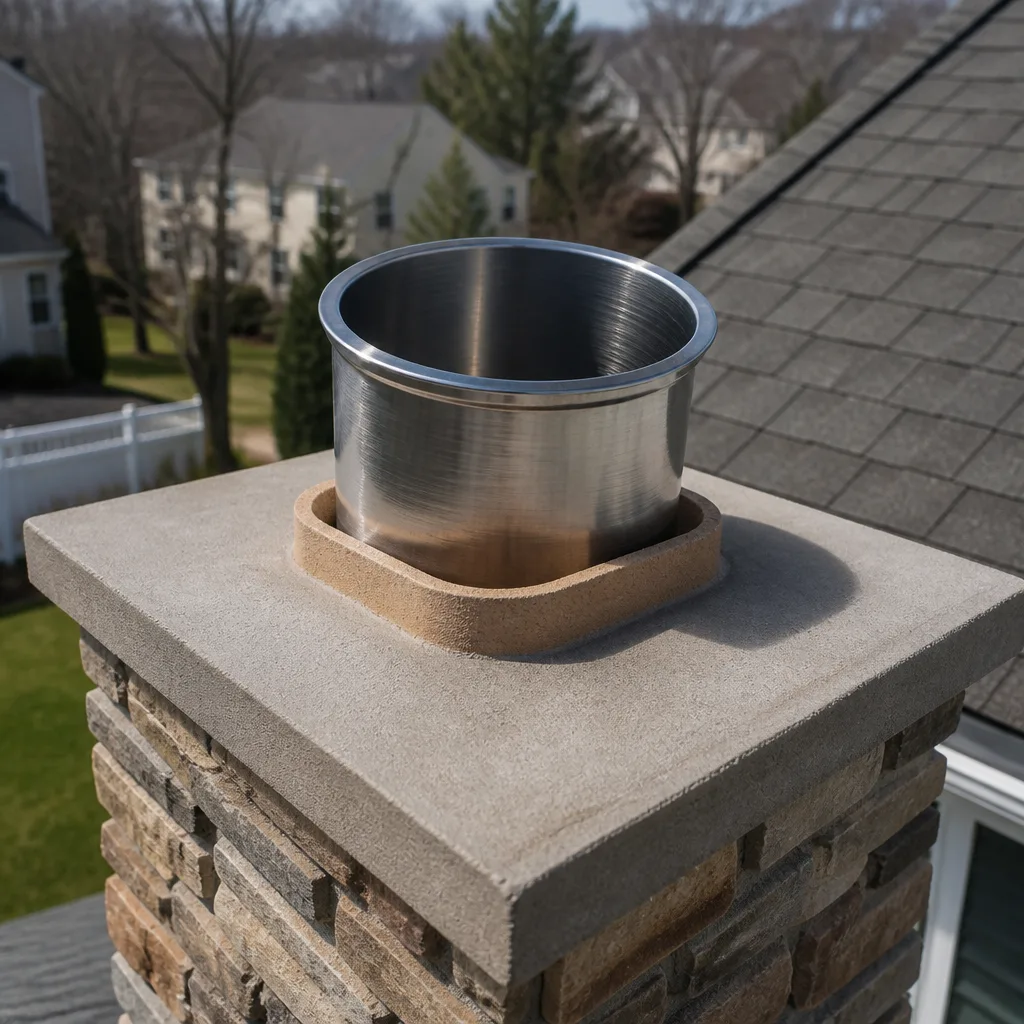 Flue relining
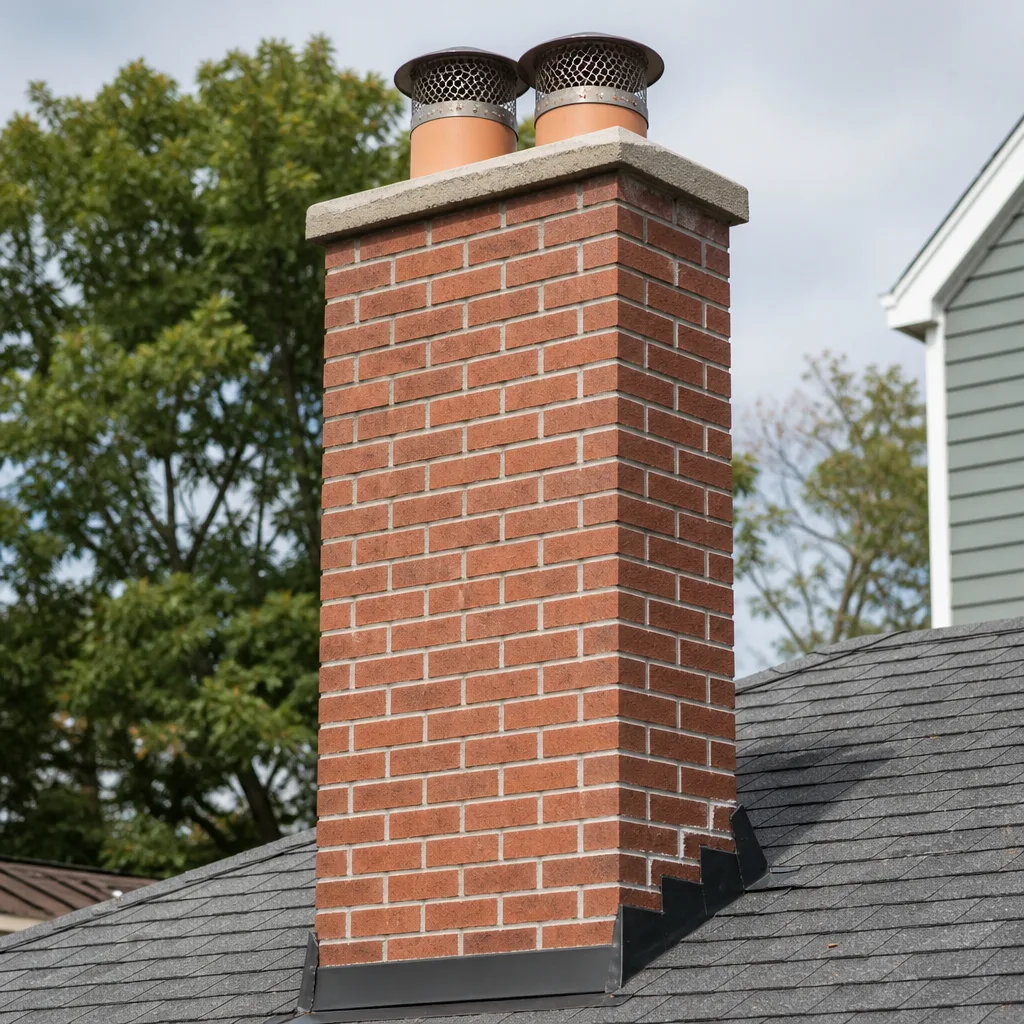 Masonry repair
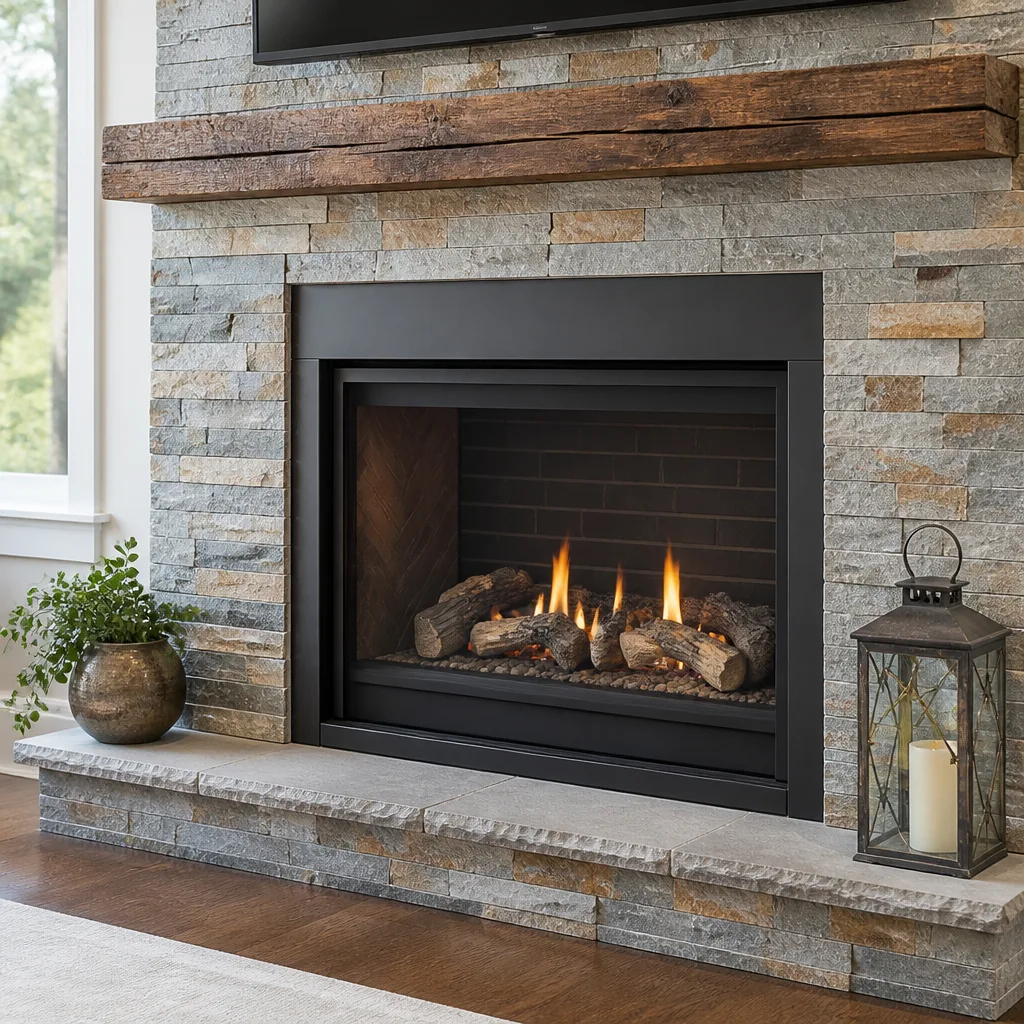 Gas fireplace service
Level 1 sweep and inspection to the NFPA 211 annual standard - flue, crown, cap, and flashing checked and photographed
Chimney sweep logs do not sweep chimneys. They loosen some creosote - which then falls where a brush and vacuum still have to collect it.
Chimney Cleaning Permits, Codes & Inspections in CA: What You Need to Know
Most California homeowners assume a chimney sweep is just a chimney sweep – you book it, the guy shows up, he brushes some soot, you write a check. What they don’t realize is that the moment a sweep finds a cracked flue tile, a failing mortar joint, or a rusted-out damper, the job crosses from “routine maintenance” into “building code territory.” And in California, that line matters more than in almost any other state. This guide walks through exactly where that line sits for cleaning, repair, and relining work, how NFPA 211 inspection levels map to California’s documentation requirements, and why the permit question matters for your insurance and your home’s resale value. For more warning signs Central-Alameda homeowners should watch for, see our companion guide. If you’re in Central-Alameda, the specifics below are grounded in what we see across Alameda County.
Styles & brands we work with
- Sweep & inspection
- Caps & crowns
- Flue relining
- Masonry repair
- Gas fireplace service
Quick Answer
A routine chimney cleaning or visual inspection does not require a permit anywhere in California. But structural repairs – relining, firebox rebuilds, crown replacement, and in many jurisdictions even installing a new cap on a gas appliance – typically require a building permit from your city or county. The permit requirement is triggered by the type of work, not by who performs it. If you’re in Central-Alameda, your applicable code baseline is California Title 24 plus any local amendments adopted by Alameda County.
Table of Contents
- Chimney Cleaning vs. Chimney Repair: Where the Permit Line Sits
- How NFPA 211 Inspection Levels Map to California Documentation Requirements
- Title 24 and Local Amendments: What Alameda County Actually Enforces
- Gas Inserts, Caps, and Venting: The Permit Rules That Surprise Central-Alameda Homeowners
- Unpermitted Chimney Work and the Home Sale Disclosure Problem
- What a Code-Compliant Post-Repair Inspection Report Must Contain
- Who Can Sign Off on Chimney Work in California
- Common Mistakes to Avoid
- When to Call a Professional
- Frequently Asked Questions
- The Bottom Line
Chimney Cleaning vs. Chimney Repair: Where the Permit Line Sits
The California Building Code draws a clean line between maintenance and modification. Cleaning falls on the maintenance side. Brushing soot, vacuuming the firebox, removing creosote buildup from the flue liner – none of this requires a permit, and no jurisdiction in California asks you to notify anyone before you do it. An inspection alone is also permit-exempt, even if the inspection uses cameras or draft testing equipment.
What pushes work over the line is any change to the chimney’s structure, lining, or venting configuration. Replacing a flue liner, rebuilding a firebox, repointing masonry, installing a new crown, or adding a cap to a gas appliance vent are all modifications that affect how the chimney safely moves combustion gases out of your home. California treats these as building envelope changes. The logic is simple: a bad liner replacement can leak carbon monoxide into living spaces or ignite surrounding framing. That’s a life-safety issue, and the state wants a record of who did the work and whether it met code.
In Central-Alameda specifically, we see this distinction play out every week. A homeowner books a sweep because the fireplace smells, we pull out four feet of creosote, and then the camera reveals a cracked clay tile at the midway point. The cleaning itself needed no permit. The repair that follows needs one. We walk clients through that transition constantly.
The practical takeaway: if the work only removes material (soot, creosote, debris), no permit. If the work removes and replaces material or changes the system, expect a permit. When in doubt, call your city’s building department. In Alameda County, a five-minute phone call can save you an insurance claim denial down the road.
What Requires a Permit in Most California Jurisdictions
- Flue liner replacement or resurfacing (including stainless steel relining systems)
- Firebox rebuild or significant firebrick replacement
- Crown repair that requires demolition and re-pouring
- Chimney cap installation on a gas appliance vent (many jurisdictions treat this as a venting modification)
- Any structural masonry work beyond cosmetic repointing
- New wood stove or insert installation with a new flue connection
What Does Not Require a Permit
- Routine chimney sweeping and creosote removal
- Level 1 visual inspection
- Level 2 camera inspection (as a diagnostic, not as part of repair)
- Dryer vent cleaning
- Cosmetic repointing of small mortar areas without structural change
- Damper cleaning and minor adjustments
How NFPA 211 Inspection Levels Map to California Documentation Requirements
NFPA 211 is the national standard for chimneys, fireplaces, vents, and solid-fuel-burning appliances. It defines three inspection levels, and California building departments reference these levels when they ask for documentation of chimney condition. Understanding what each level includes helps you know what your building department expects.
Level 1 is a visual check of readily accessible areas. The inspector confirms the chimney is clear of obstruction, the flue is structurally sound on visible surfaces, and the appliance connection is intact. No permit required, and the report is usually a one-page checklist. If you’re selling a home in Central-Alameda, most buyers’ inspectors will do at least this.
Level 2 adds camera scanning, attic and crawlspace inspection where the chimney passes through, and a check of clearances to combustibles. A Level 2 is required by NFPA 211 after any chimney fire, before a property sale, or after a seismic event that might have moved the chimney. This is where most hidden damage shows up. In our experience, a third of Level 2 inspections on older Central-Alameda homes reveal something the homeowner had no idea about.
Level 3 involves removing parts of the chimney or adjacent building materials to access concealed areas. It’s only appropriate when Level 2 photography shows likely hidden damage, and it often accompanies a rebuild or reline. Level 3 work almost always triggers a permit because the scope is structural by definition.
Here’s the mapping California homeowners need to understand: your building department does not require a Level 2 report just to clean your chimney. But if you’re doing permitted repair work, the department will often ask for a Level 2 report as the basis for approving the repair scope. The inspection report becomes part of your project file. It matters because when the inspector signs off on the final work, they need to know the repair actually addressed what the photos showed.
Title 24 and Local Amendments: What Alameda County Actually Enforces
California’s Title 24 is the building code umbrella. It adopts national model codes with California-specific amendments. For chimney work, the relevant pieces are the California Building Code (CBC), California Mechanical Code (CMC), and California Residential Code (CRC). These govern firebox construction, flue clearances, liner material, and vent termination heights.
But here’s what most guides miss: Title 24 is a baseline, not the whole picture. California allows local jurisdictions – cities and counties – to adopt amendments that are stricter than the state code. In Alameda County, this means your specific city can add requirements. Sometimes that’s a local ordinance about wood-burning appliance replacement. Sometimes it’s a specific seismic retrofit trigger tied to chimney height.
We can’t give you a single Alameda County rule set, because the county enforces through several building departments, and each city has its own. What we can tell you is how to verify. When you plan chimney work, call the building department for your specific municipality within the county and ask three questions:
- Does this work type require a permit in our city?
- Do we have any local amendments to Title 24 that affect chimney repair or relining?
- What inspection documentation do you require for a chimney liner replacement?
If the person answering doesn’t know, ask for the plans examiner. The front counter staff are often not familiar with chimney-specific code sections, and you want the person who reviews residential building plans.
For Central-Alameda homeowners, the good news is this process is faster than many surrounding areas. Local building departments are used to chimney repair questions because the housing stock is old enough that liner issues are common. Don’t let the call intimidate you. It’s a normal Tuesday for them.
Gas Inserts, Caps, and Venting: The Permit Rules That Surprise Central-Alameda Homeowners
Wood-burning fireplace owners think about permits more than gas appliance owners, but gas venting actually trips up more people. The surprise is usually the cap.
Here’s the scenario. You have a gas insert or gas log set. The technician who serviced it last year says your termination cap is rusted and you should replace it. Sounds minor. But many California jurisdictions treat cap replacement on a gas appliance as a venting modification, which requires a permit, because the cap affects how exhaust gases discharge under wind and backdraft conditions. A wrong cap installed without a permit is exactly the kind of work that surfaces later in an inspection or an insurance claim.
Gas insert installation itself is almost always permit-required. If you’re converting a wood-burning fireplace to gas, or installing a direct-vent insert where one didn’t exist, the venting configuration changes, and the building department wants to see the manufacturer’s installation specs and the vent path. This is not a place to take shortcuts. We’ve seen unpermitted gas insert installs in Central-Alameda fail home sale inspections because the buyer’s inspector flagged the vent clearance and the seller had no paper trail showing it was ever approved.
The permit conversation for gas work is often more surprising than for wood because people assume gas is cleaner and therefore less regulated. It’s cleaner in terms of particulate emissions, but carbon monoxide risk is real, and the code treats gas venting seriously. If your building department requires a permit for a cap on a gas appliance, the fee is usually modest. The cost of skipping it is not.
Unpermitted Chimney Work and the Home Sale Disclosure Problem
California’s home sale disclosure laws are among the strictest in the country. Sellers must disclose known defects and unpermitted work. The question is what you “know.” Here’s where unpermitted chimney work gets dangerous for a seller.
Say you had your liner replaced five years ago and the contractor didn’t pull a permit. You didn’t think much of it. Now you’re selling. The buyer’s home inspector does a Level 2 chimney inspection and finds a stainless liner. The inspector notes it’s not in the county’s permit database. The buyer asks for documentation. You have the contractor’s invoice but no final inspection sign-off.
At minimum, the buyer has a negotiating point. They can demand a retroactive permit with an inspection, which may reveal that the liner installation doesn’t meet current code because code has changed since the work was done. Or they can walk. In a slower market, buyers walk. In a hot market, they ask for a price reduction equal to the cost of bringing the work into compliance.
From the insurance side, the problem is different but related. If the chimney causes a fire and the insurer discovers the work that led to the fire condition was unpermitted, they can deny the claim under the policy’s “faulty workmanship” or “concealment” provisions. This isn’t hypothetical. Insurance claims adjusters look for this.
For Central-Alameda homeowners specifically, the older housing stock compounds the issue. Many homes were built before modern code enforcement, so unpermitted additions and modifications are common. A chimney liner may not be the only unpermitted item. But it’s the one connected to fire risk, which makes it the one you want to get right before listing.
What a Code-Compliant Post-Repair Inspection Report Must Contain
After permitted chimney repair or relining work, the building department sends an inspector to sign off. The report the inspector signs, plus what your contractor gives you, should include these items:
- Permit number and jurisdiction. If it’s not on the report, the chain of custody is broken.
- Description of the work performed. Specific enough that someone reading it in ten years understands what was done, where, and with what materials.
- Manufacturer and model of installed components. If a liner was installed, the report should say whether it’s a DuraFlex system, a HeatShield restoration, or another approved product. Material traceability matters for future inspectors.
- Level 2 inspection results, if performed. Pre-repair photos that document the condition that justified the repair. Post-repair photos showing the resolved condition.
- Clearance verification. The inspector or contractor confirms clearances to combustibles meet the manufacturer’s specification and the California Residential Code.
- Draft and function test result. After the repair, the system should be tested for proper draft. The report should state this was done and what the result was.
- Signature and license number of the contractor and the inspector. In California, the contractor’s CSLB license number must appear on any contract over $500 and ideally on the final report.
The report is not shelf decoration. It’s the document you’ll hand to a buyer’s inspector five years from now, and the document your insurer may ask for if there’s ever a claim. If your chimney contractor in Central-Alameda can’t provide this level of documentation, that’s a signal worth paying attention to.
Who Can Sign Off on Chimney Work in California
California separates the contractor who does the work from the authority that approves it. The contractor must hold a valid CSLB license with the appropriate classification. Chimney sweeping itself does not require a CSLB license if it’s strictly cleaning, but any repair work that requires a permit requires a licensed contractor. For chimney repair, the relevant classification is typically C-29 (Masonry) or a general B classification, depending on scope. Relining work may fall under C-29 or B, and some contractors hold specialized certifications beyond the license.
The building inspector who signs off on the permit is a city or county employee. In Alameda County, that’s your municipal building department. The inspector’s sign-off is the legal approval. The contractor’s documentation supports it, but the inspector’s signature is what makes the permit final.
There’s a third role worth knowing: the certified chimney professional. Organizations like the Chimney Safety Institute of America (CSIA) certify individuals in chimney inspection and repair. CSIA certification is not a license, but it signals that the person has passed a national exam on chimney systems and fire codes. When you hire a sweep, asking “are you CSIA-certified?” is a reasonable screen.
In Central-Alameda, the practical point is this: the person who shows up with a brush and a shop vac may be great at cleaning, and cleaning is what you called for. But if the job turns into a repair, you need the licensed contractor with the CSLB number visible on the invoice and the permit process moving. The two skill sets overlap, but they are not identical.
Common Mistakes to Avoid
- Skipping the permit because the contractor says it’s not needed. The contractor’s opinion doesn’t override the building department’s requirement. Call the department yourself and confirm. Five minutes of verification beats five years of liability.
- Accepting a “sweep and repoint” as a structural fix. Repointing is cosmetic. If the flue is cracked and someone tells you new mortar on the outside chimney will fix it, you’re talking to the wrong person. That flue needs a liner or restoration system, not mortar on brick.
- Not keeping the Level 2 photos. You paid for the camera inspection. Get the images. If you have a future insurance issue or sale disclosure, the photos are your evidence of what you knew and when you knew it.
- Choosing a liner based on price alone. A budget liner may meet minimum code but fail earlier in corrosive conditions. We regularly specify DuraFlex or HeatShield systems in Central-Alameda because the coastal air and marine layer eat through cheap stainless faster than inland air does.
- Assuming the water heater and fireplace use the same vent rules. They don’t. A gas water heater has its own venting requirements under the California Mechanical Code. One permit may not cover both, and treating them as interchangeable is a code violation waiting to happen.
- Failing to check whether the contractor pulled a final inspection. Some contractors pull the permit, do the work, and never call for final sign-off. The permit expires un-finaled, and you have an open permit on your record. That’s a disclosure headache at sale. Always verify the final inspection was completed.
- Waiting to address a known issue until after the next chimney fire. If a previous Level 2 showed a problem and you deferred it, a later insurance claim for fire damage may be complicated by your documented knowledge of the condition. The insurer’s argument: you knew and didn’t act. There’s a duty of care attached to inspected conditions.
When to Call a Professional
You don’t need a professional to tell you the chimney smells when the wind blows from the west. You do need one when you can’t see why. Call a chimney specialist when you notice water stains on the ceiling near the chimney, when you see white staining on the brick exterior (efflorescence means water is moving through the masonry), when you smell smoke in the house after a fire has gone out, or when the damper has frozen open or shut. These are symptoms of system-level problems, not cleaning problems.
If your Central-Alameda home has a chimney older than thirty years and you’ve never had a camera inspection, that’s not a maintenance gap. That’s a visibility gap. You’re burning in a system you haven’t seen inside. Tidewater Chimney Sweep handles this for homeowners across Central-Alameda, with camera inspections as part of the Level 2 service. Chimney sweep services in Central-Alameda start with a conversation about what you’ve observed, what the history is, and whether you need documentation for a sale or for insurance. Call (866) 282-7014 for a free estimate. We don’t upsell. We tell you what the photos show.
Frequently Asked Questions
No. Routine chimney sweeping and creosote removal are permit-exempt everywhere in California, including Alameda County. No building department treats brushing and vacuuming as structural work.
It depends on the appliance and your local jurisdiction. A cosmetic cap on a wood-burning chimney usually does not require a permit, but cap replacement on a gas appliance vent is often treated as a venting modification that does require one. Check with your municipal building department in Alameda County before assuming.
NFPA 211 says chimneys used for wood burning should be swept at least once per year, or more often if creosote buildup reaches one-eighth inch. In our experience with Central-Alameda coastal air, annual sweeping is even more important because the damp, salty atmosphere makes creosote stickier and more corrosive to metal liners than it is inland.
The buyer’s inspector will often find the liner and check the permit database. If there’s no record, you’re in active non-disclosure territory. Sellers in California must disclose known unpermitted work. You can be held responsible after the sale if the buyer can show you knew about the unpermitted work and didn’t disclose it.
HeatShield is a resurfacing system applied inside an existing flue. Whether it requires a permit depends on your local building department’s interpretation of “liner replacement.” Some jurisdictions in Alameda County require a permit for any resurfacing, while others treat it as a repair. You must verify with the building department before work begins. We can help you ask the right questions.
A Level 2 inspection should be performed by someone trained and certified in chimney systems, typically a CSIA-certified professional. The camera work requires specialized equipment and an understanding of what you’re looking at. Chimney repair in Central-Alameda often starts with a Level 2 because you cannot responsibly quote a repair without seeing the flue interior. We perform these inspections regularly and provide the photo documentation as part of the report.
No. Dryer vent cleaning is governed by the California Mechanical Code’s dryer exhaust provisions, but the cleaning itself is not permit-required anywhere in California. That said, it’s the same fire-safety logic: lint buildup ignites, and the vent is the path. Two fire hazards, one call. We handle dryer vent cleaning in Central-Alameda as part of our standard service line because homes with neglected dryer vents often have neglected chimneys too.
The Bottom Line
California’s approach to chimney work is simple once you see the logic: cleaning and inspection are maintenance, repair and relining are building-code events, and the difference between the two determines whether you need a permit. The permit is not bureaucracy for its own sake. It’s the document trail that protects you when you sell, when you file an insurance claim, and when someone in the future wants to know what was done inside that flue. If you’re in Central-Alameda and you’re not sure which side of the line your project falls on, call your building department first, or browse our more guides & resources for additional help. If they tell you a permit is needed, get it. If they’re vague, get it anyway. The paperwork is the cheapest part of the chimney.
Written by the team at Tidewater Chimney Sweep, serving Central-Alameda since 2012.
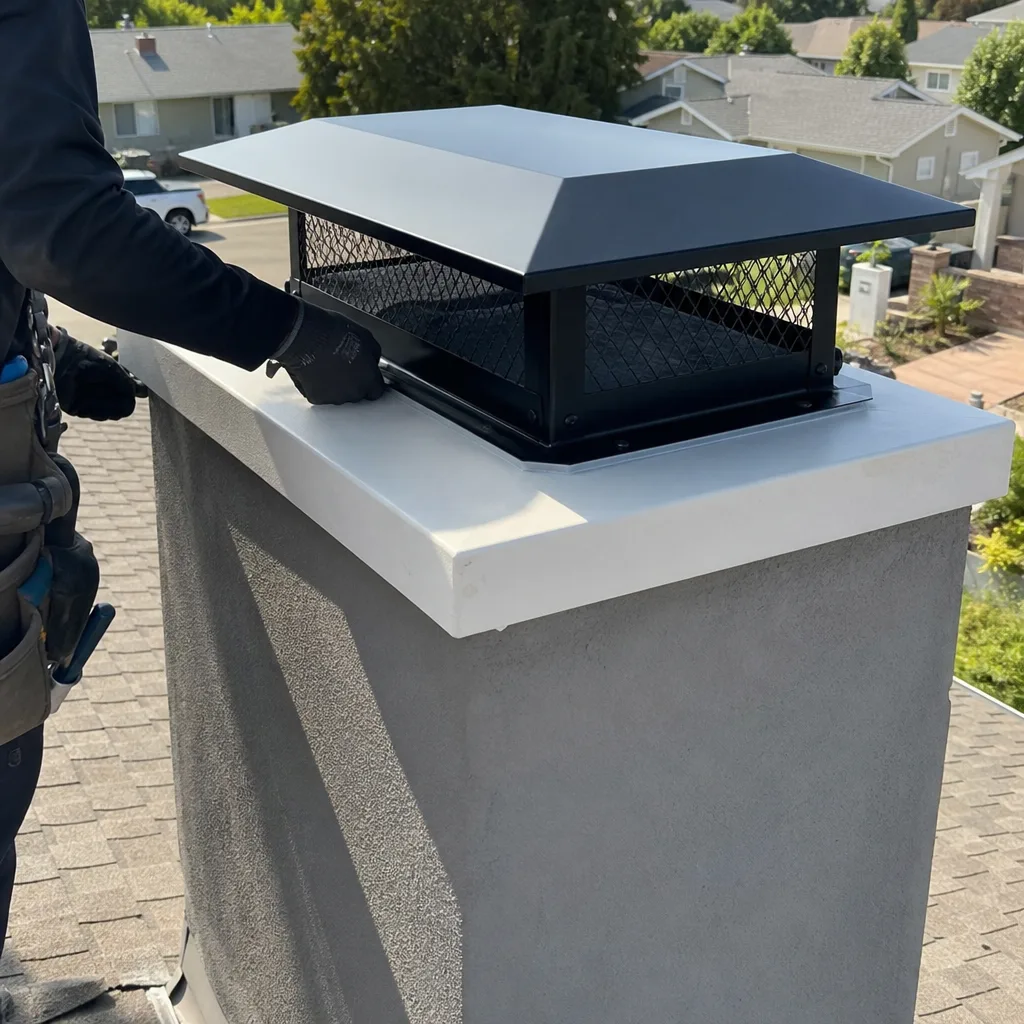
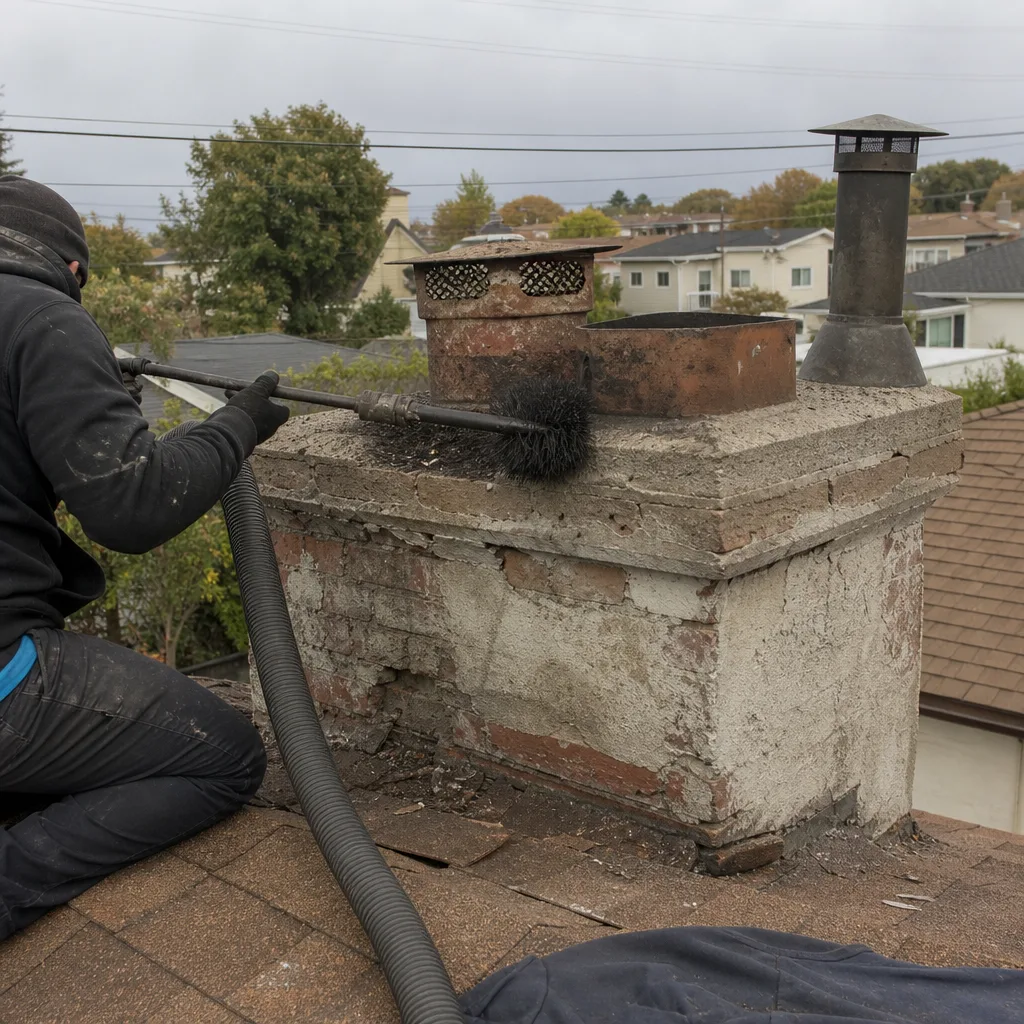
See the difference
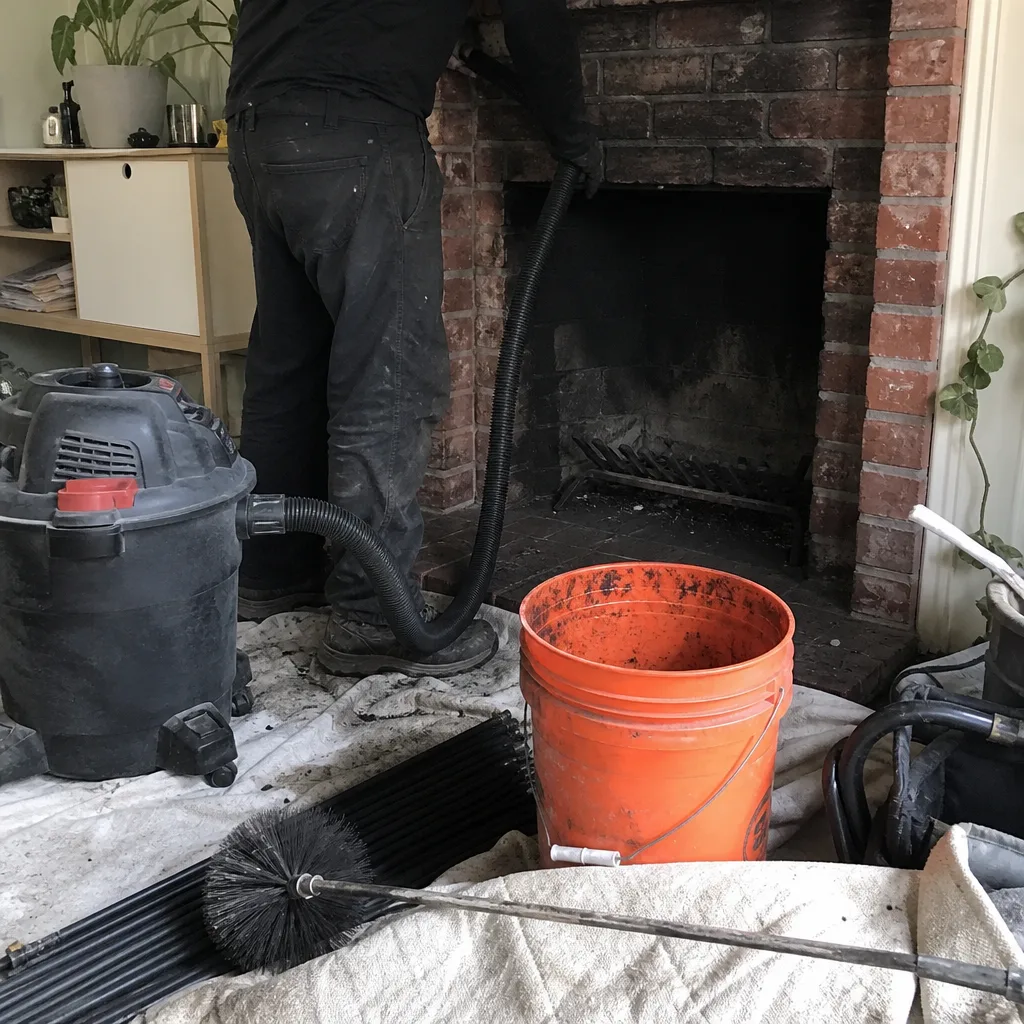 Before
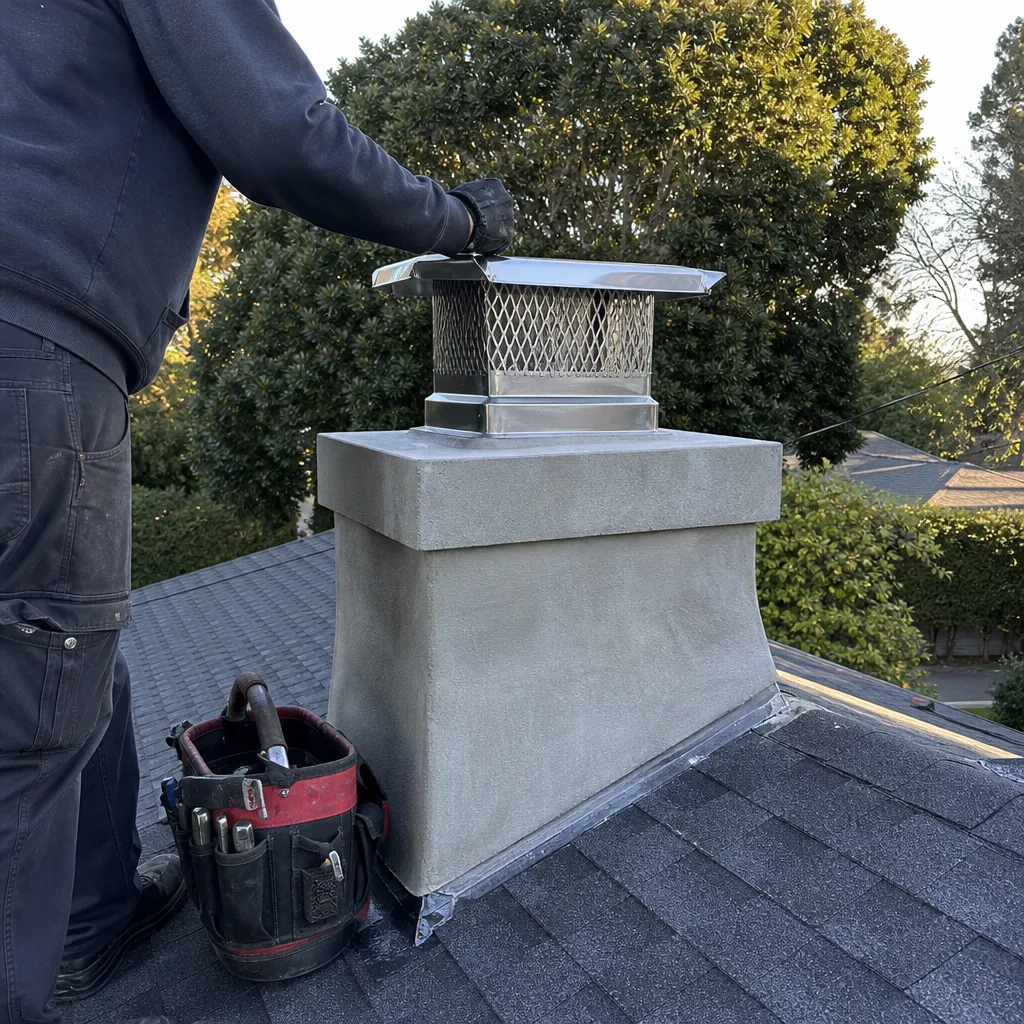 After
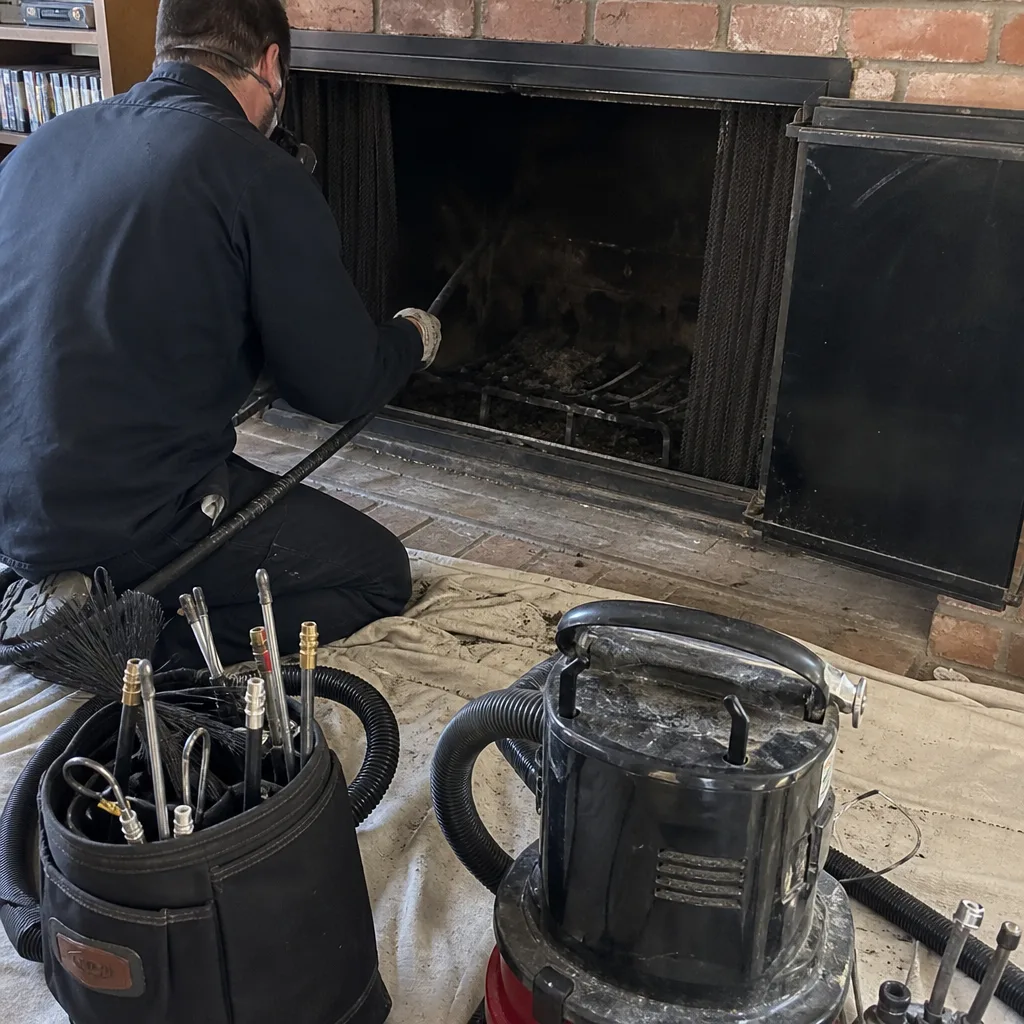 Before
 After
 Before
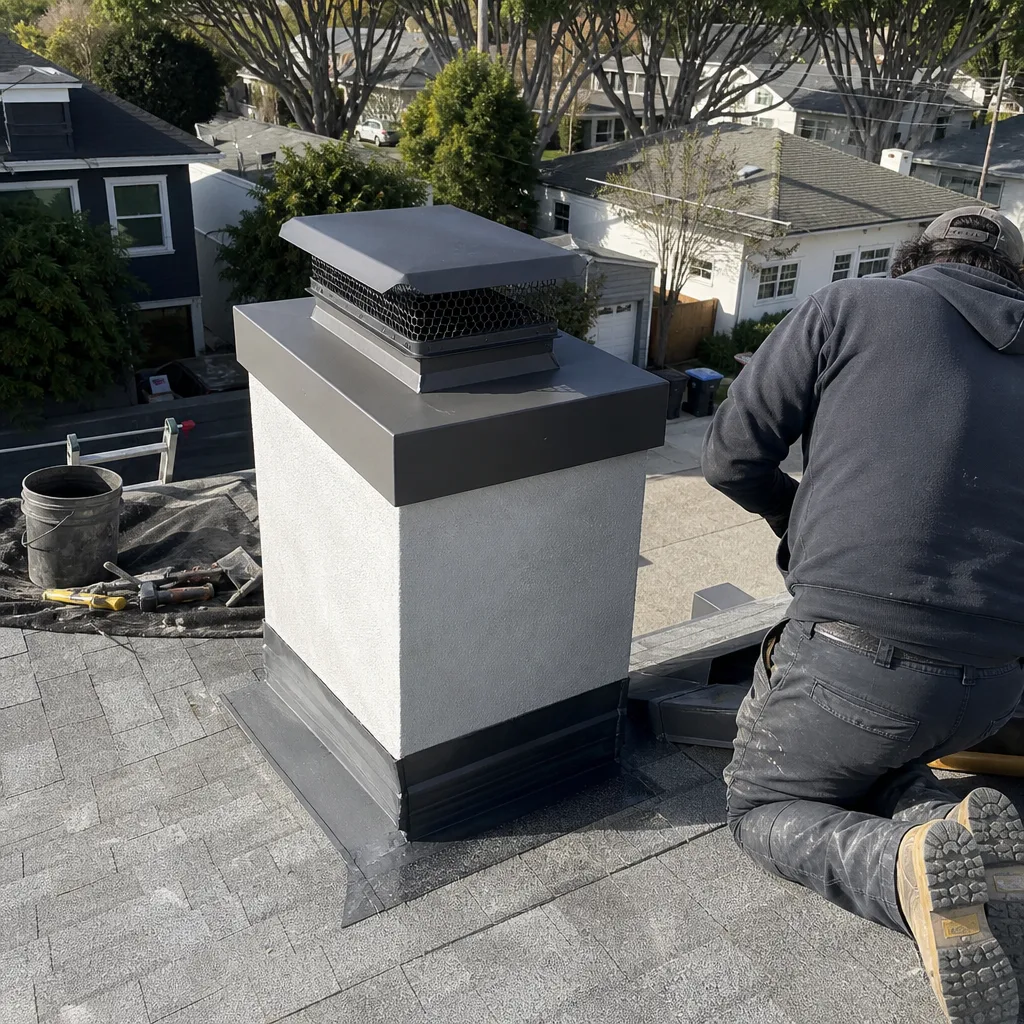 After